


Inicio | FONAG – UTE Project – EN | Awareness and Research Station Project – EN
Awareness and Research Station Project
FONAG - UTE PROJECT

A Design-Build methodology to educate the next generation of civil engineers with environmental and social awareness.
PROJECT
This project integrates design, construction, environmental education, and inter-university collaboration with a focus on sustainability.
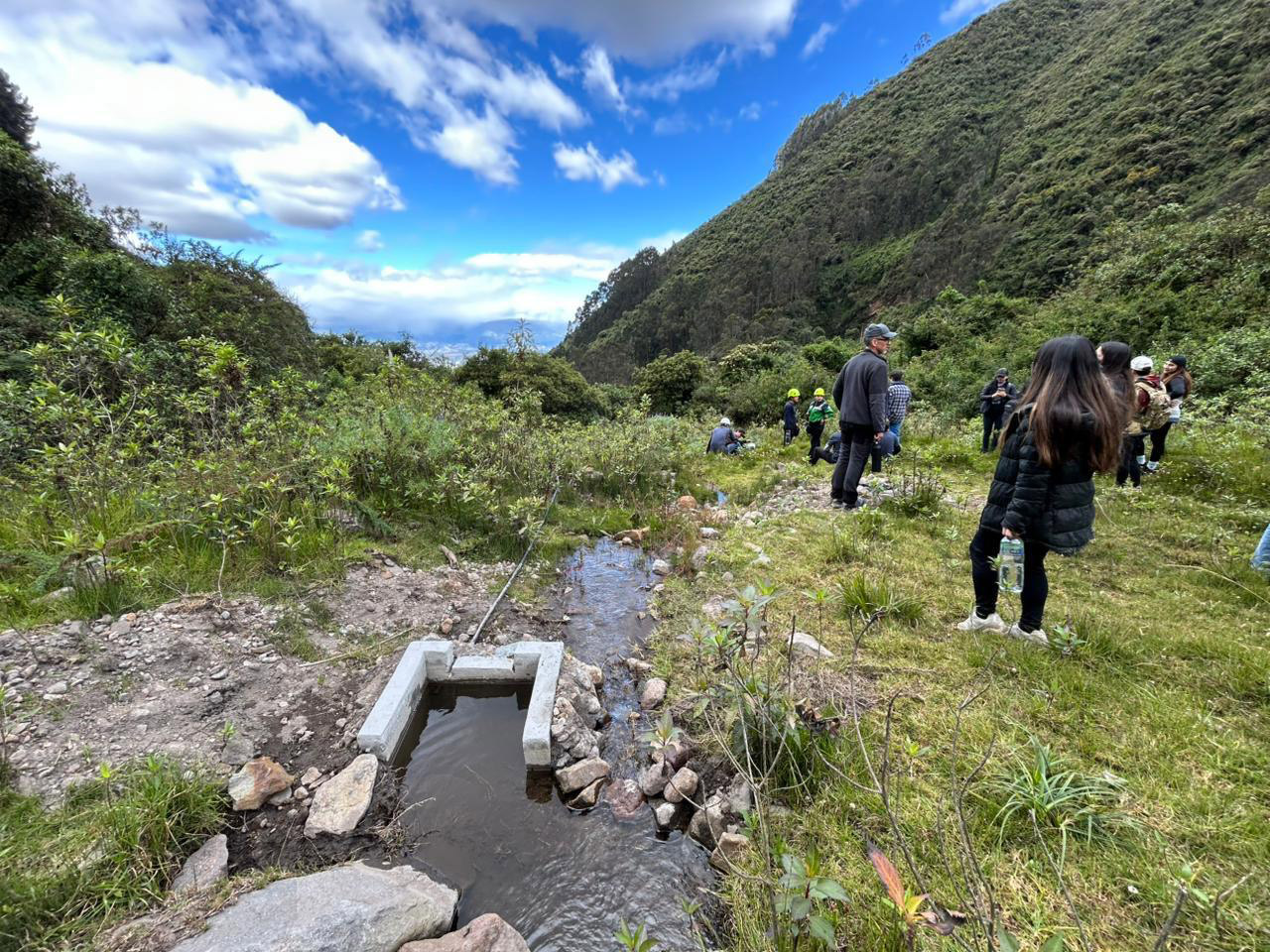
Initiated by UTE University in conjunction with FONAG, it seeks to revalue the Rumipamba Ravine through an educational and participatory intervention.
Context and need
Preserving the ravine as a living classroom
Phases
Planning, Design, Construction, Operation
Location
Quebrada Rumipamba, Quito - Ecuador
Partnerships
Wismar, TU Berlin, PUCC Chile, PUCE Ibarra, FONAG, EPMAPS
Values
Sustainability, participation, active learning
Institutions taking part
Design Build
An active methodology for learning by building.
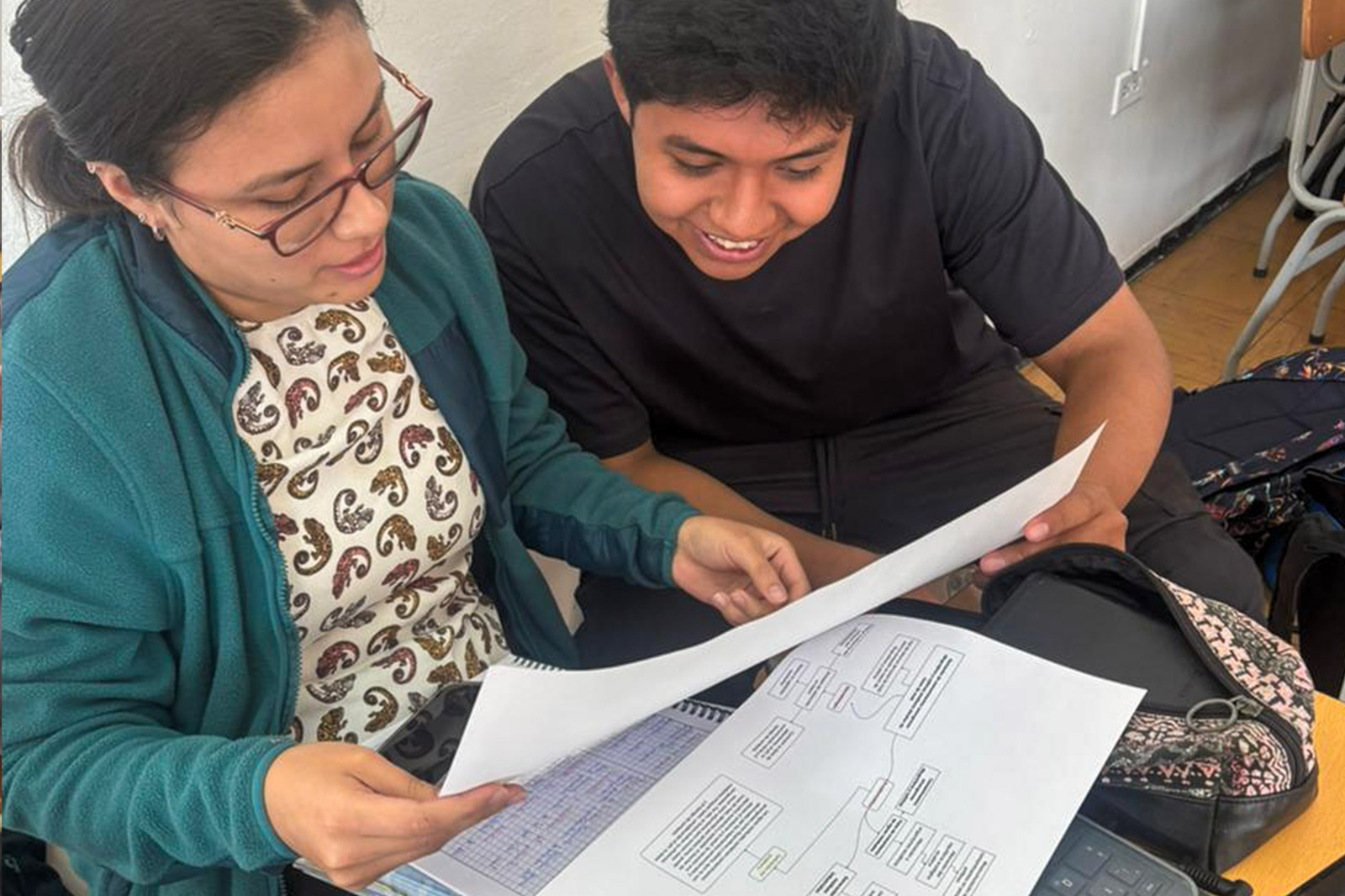
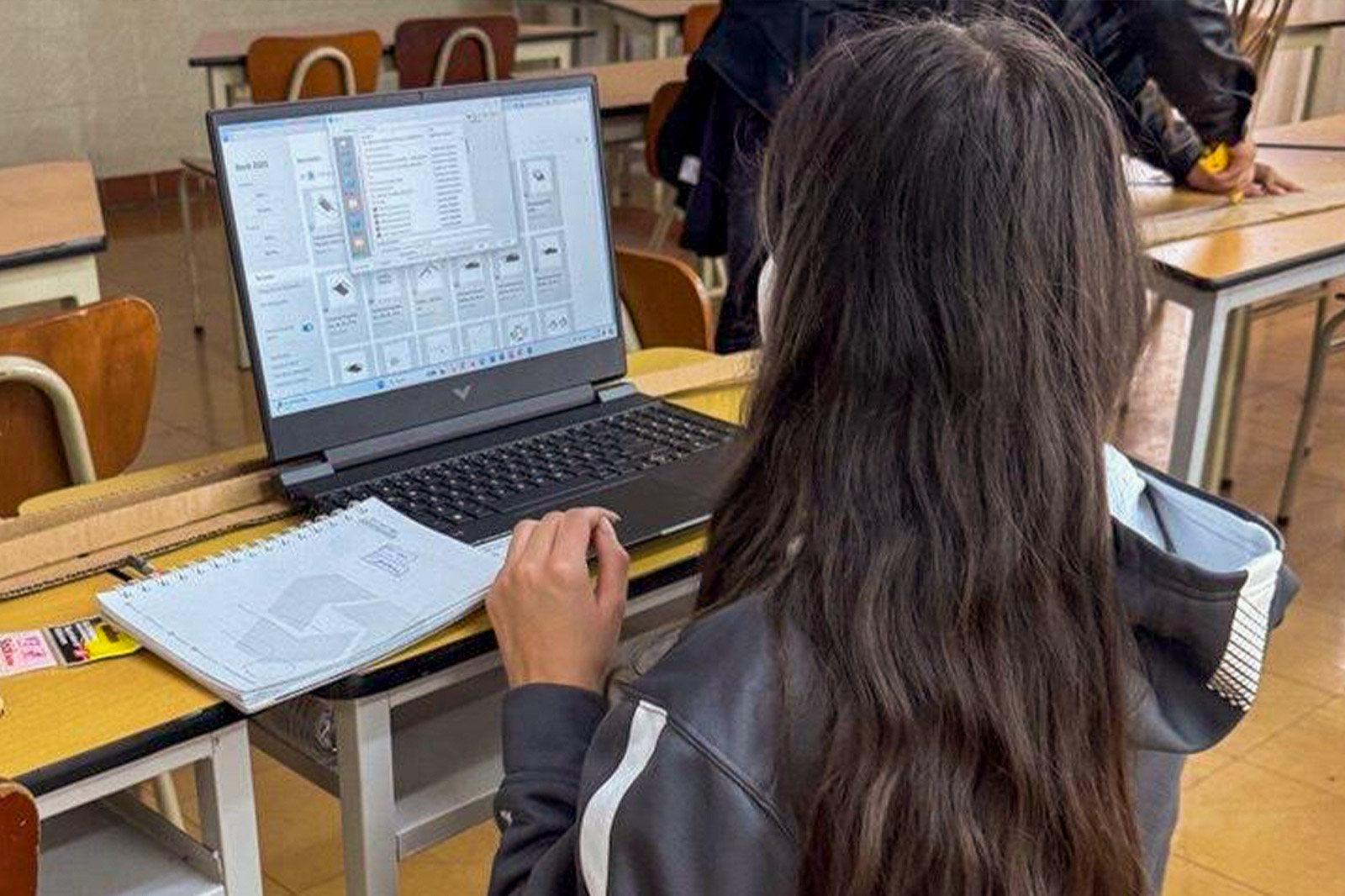
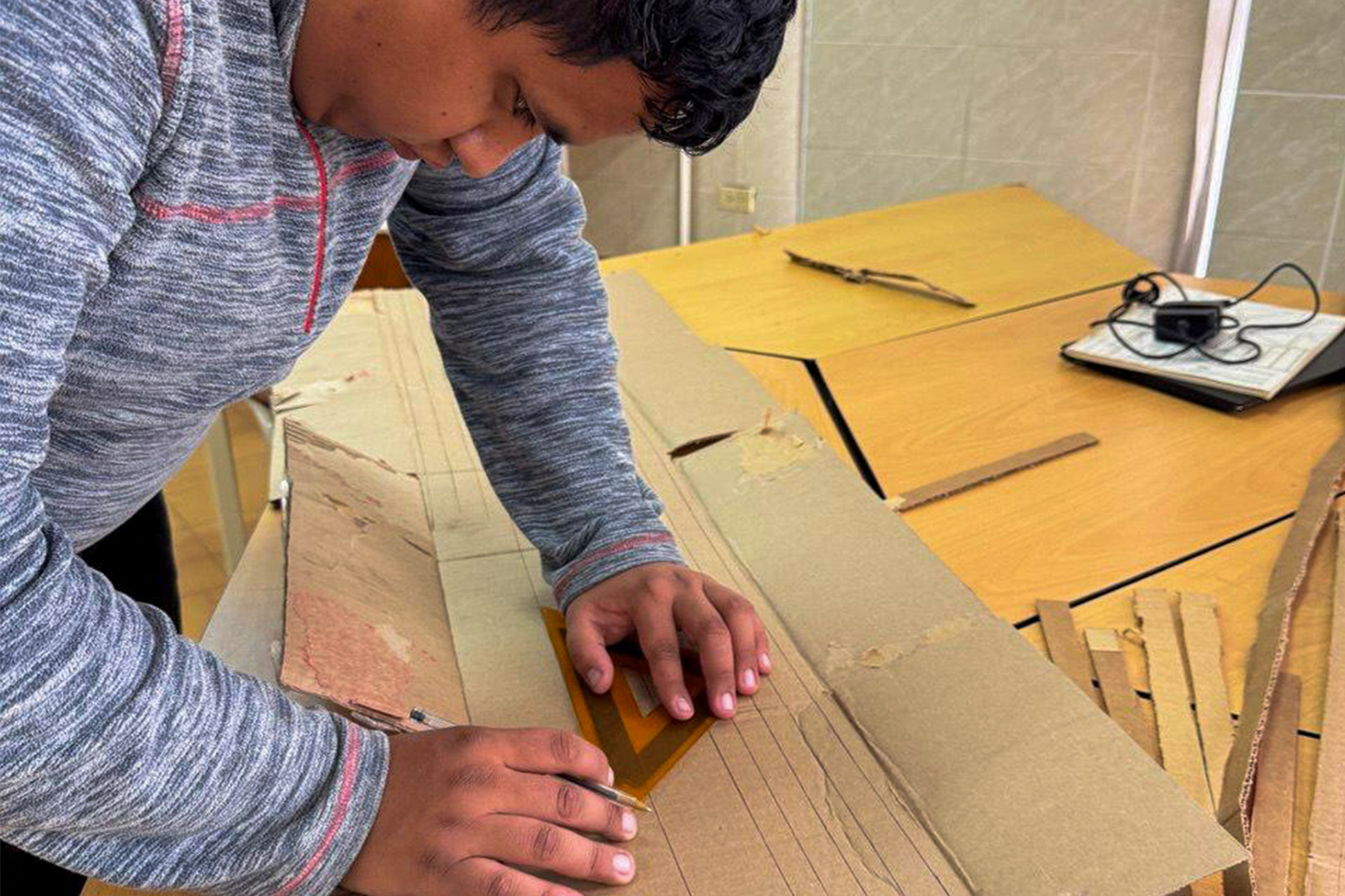
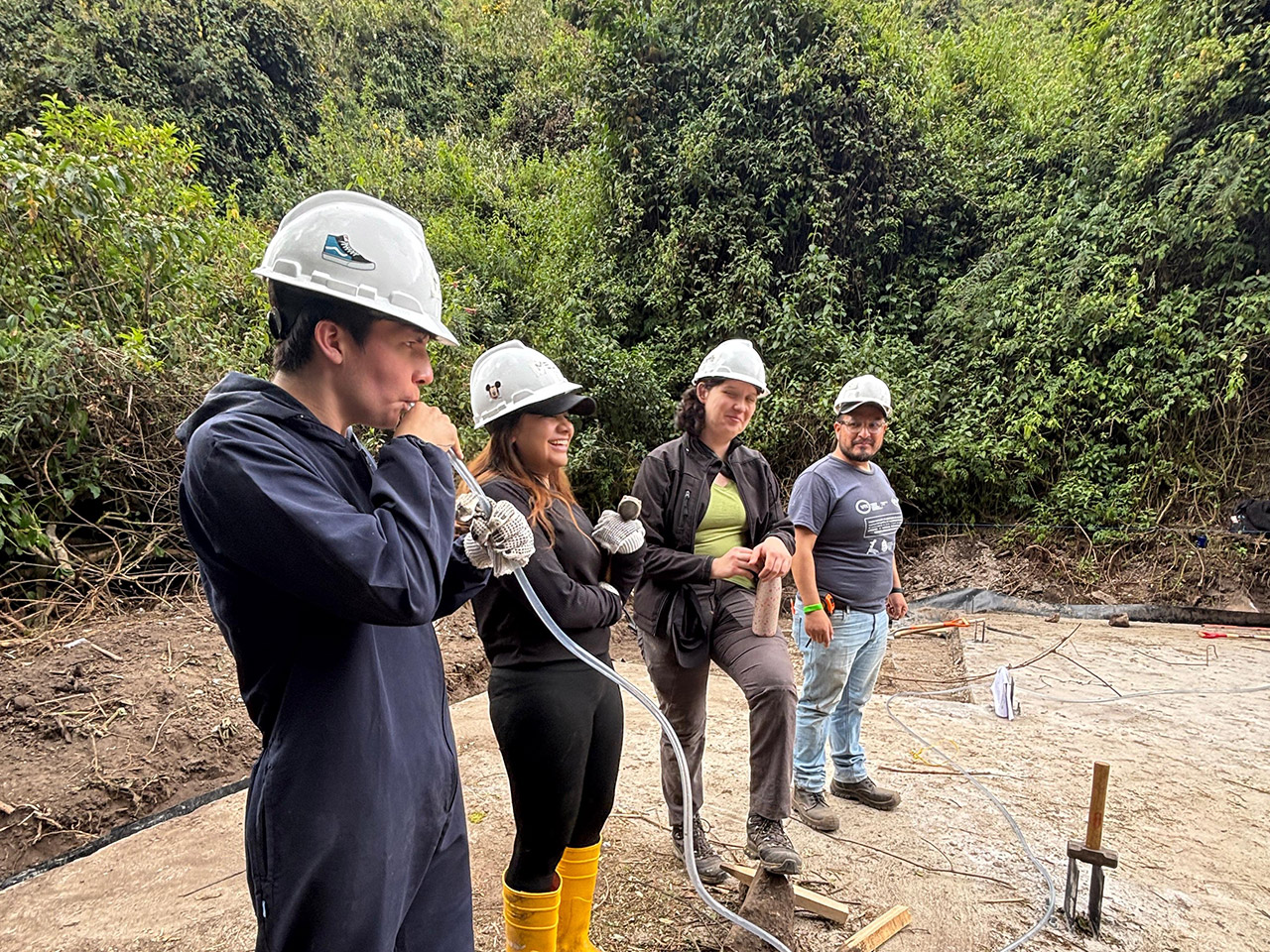
The project adopts the Design Build approach, where students and teachers work collaboratively from the conception of the design to its realization on site.
It includes:
Participatory workshops
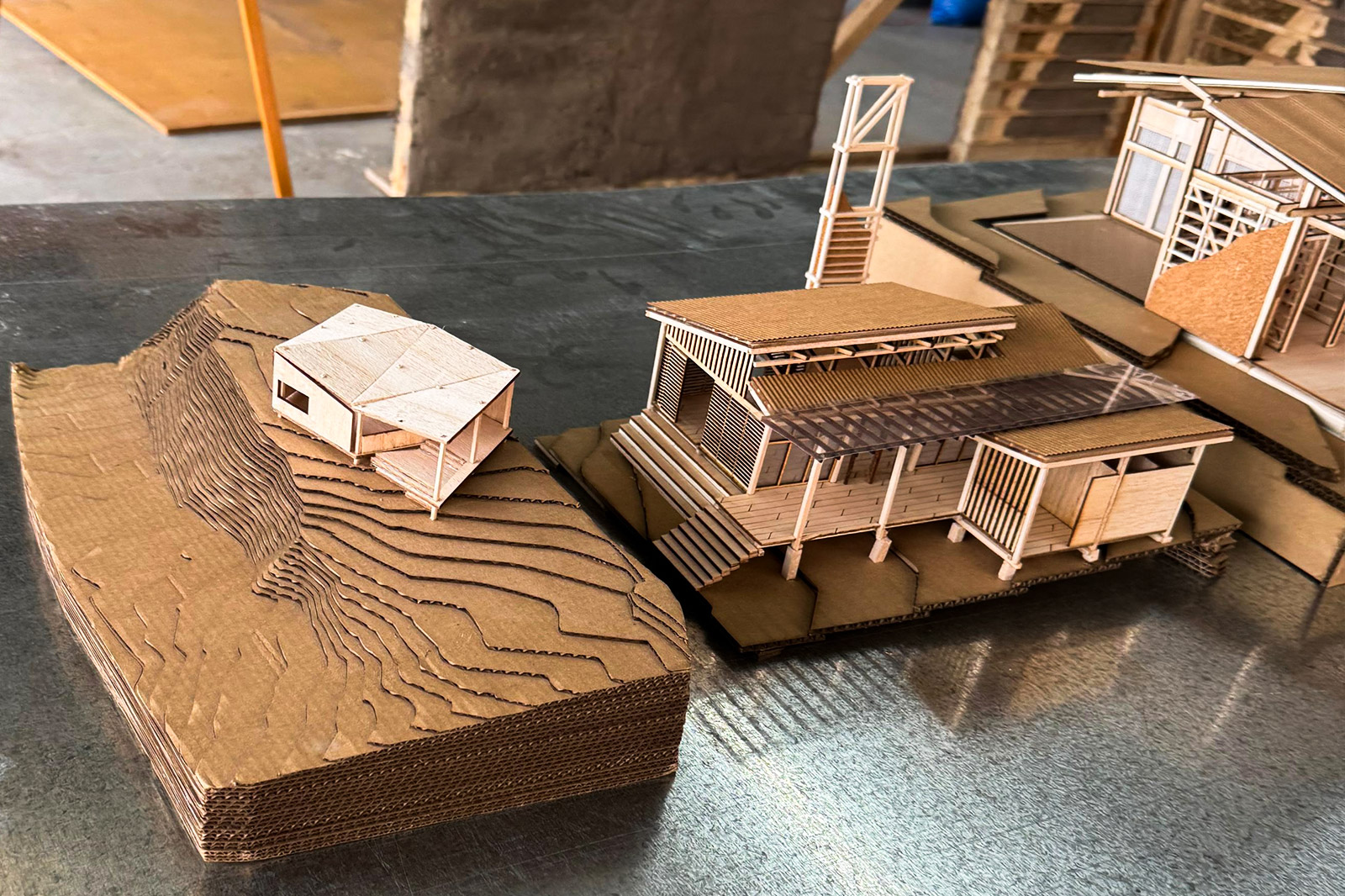
Prototyping and simulations
Visual timeline
Multidisciplinary and
international feedback
Internationalization
A model of transnational collaboration
Participants:
- Hochschule Wismar (Alemania)
- TU Berlín (Alemania)
- Pontificia Universidad Católica de Chile
- PUCE Ibarra (Ecuador)
- UTE University (Ecuador, project leader)
Activities:
- Student and teacher exchange
- Shared projects
- International seminars
- Joint publications
Photo Galleries
Planning and Design


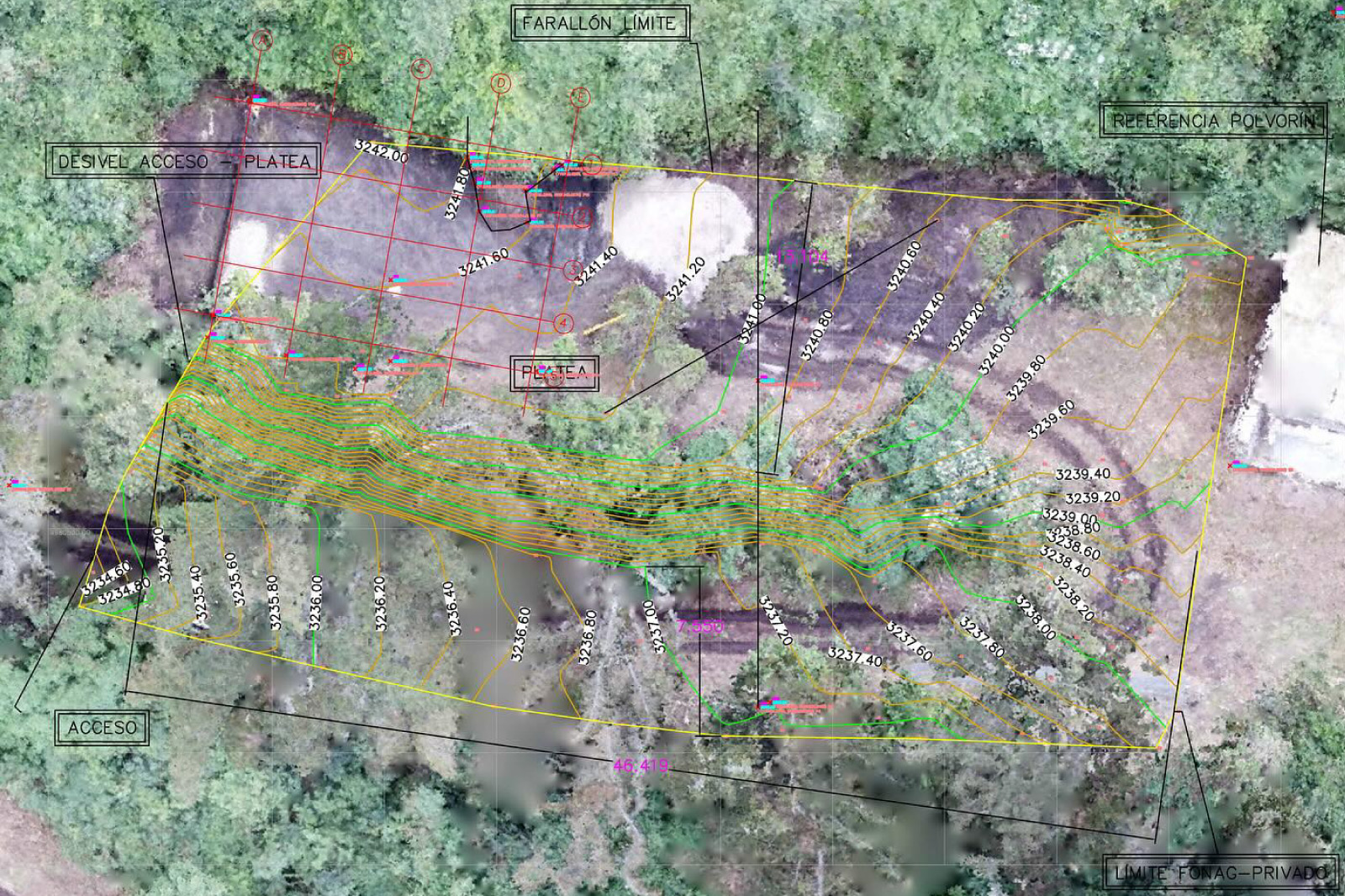
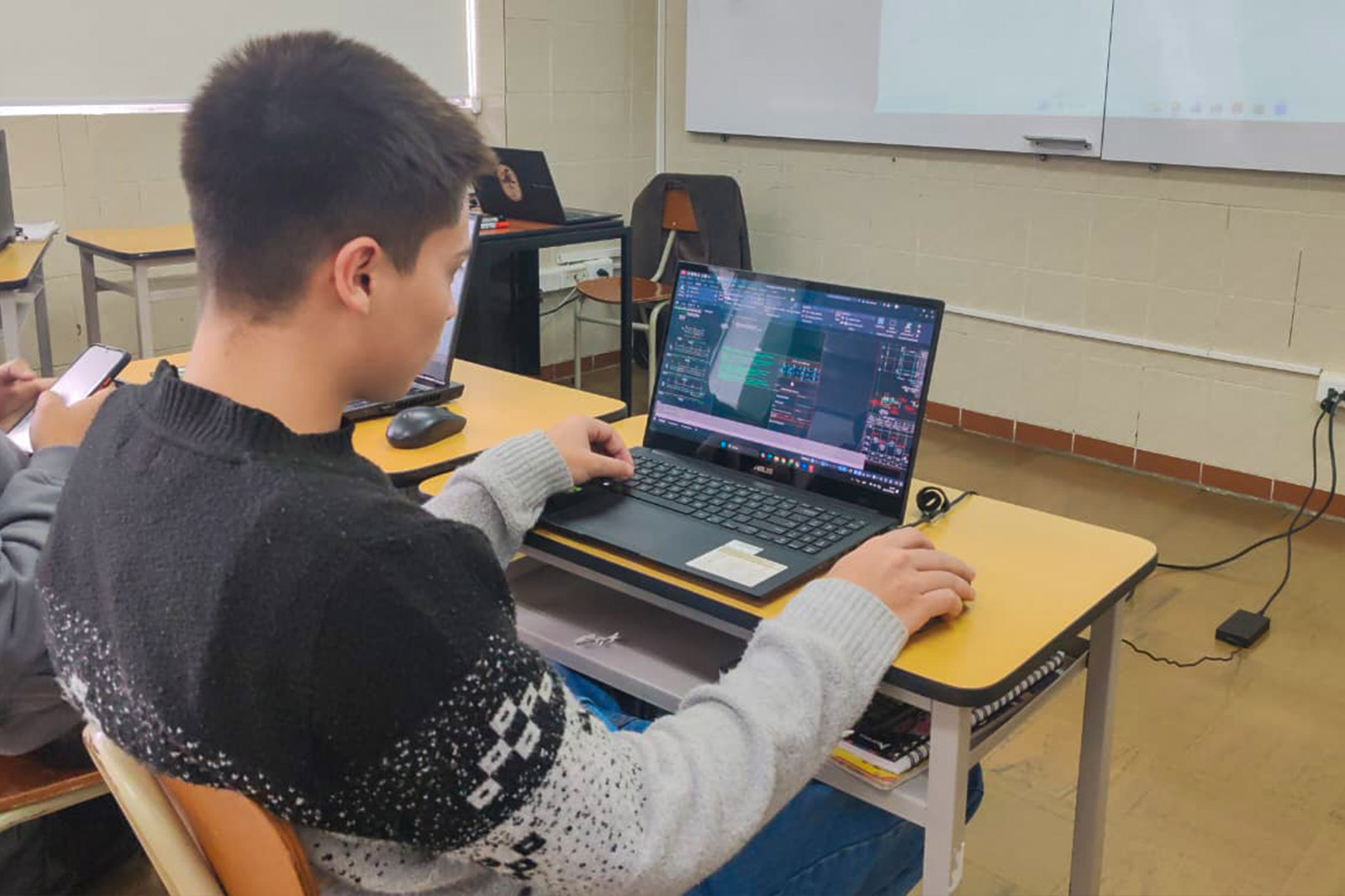
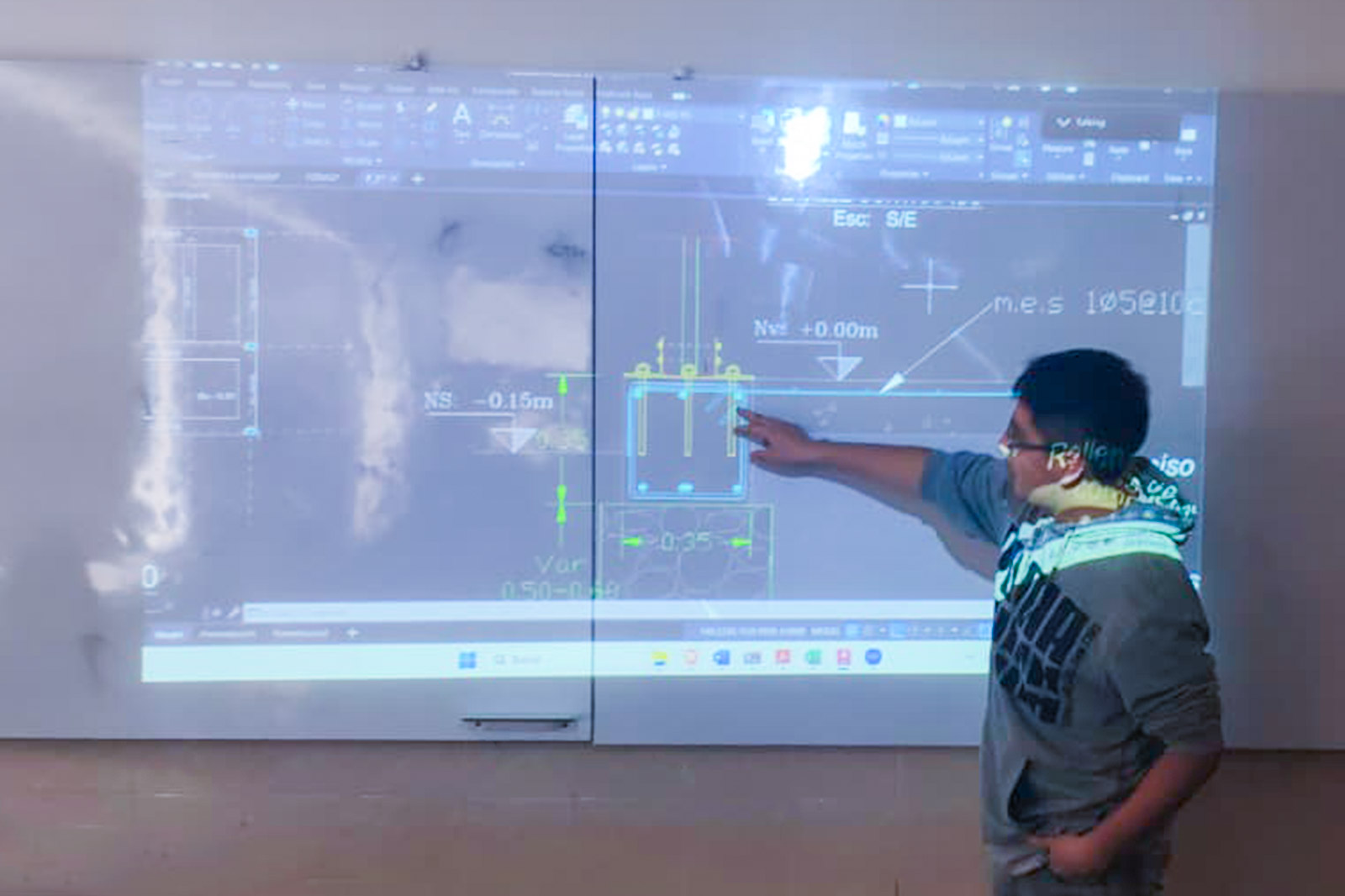
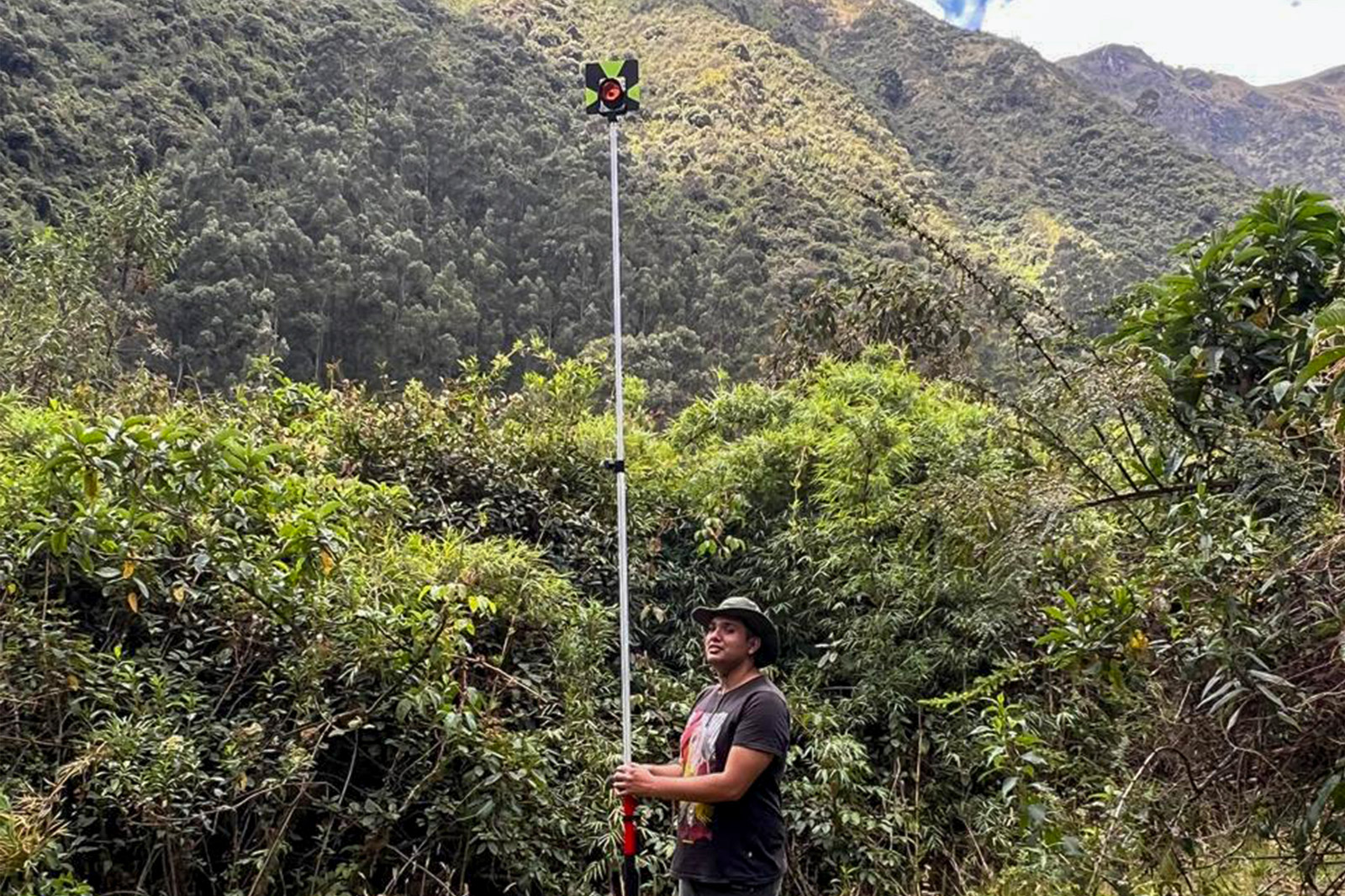
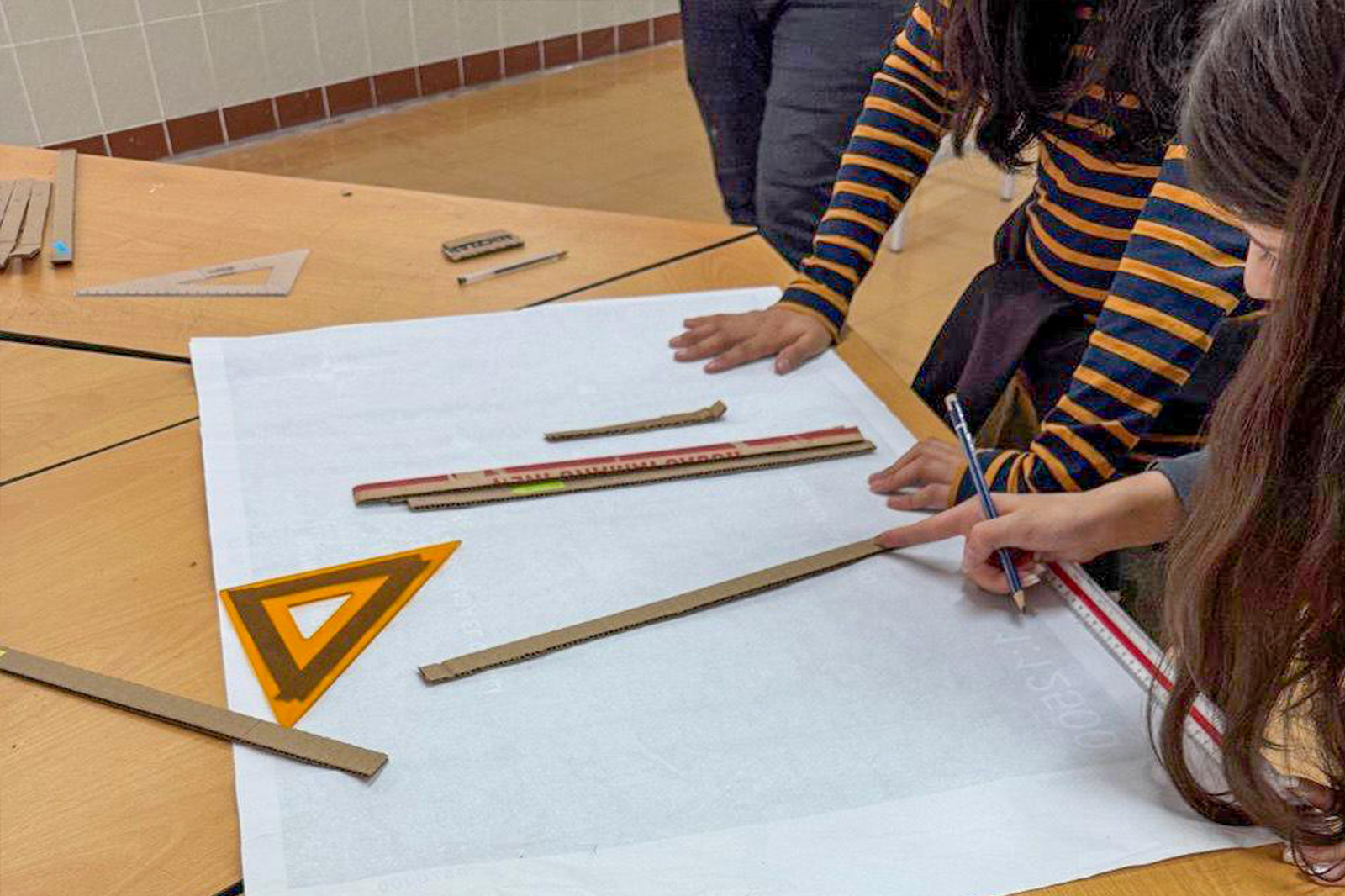
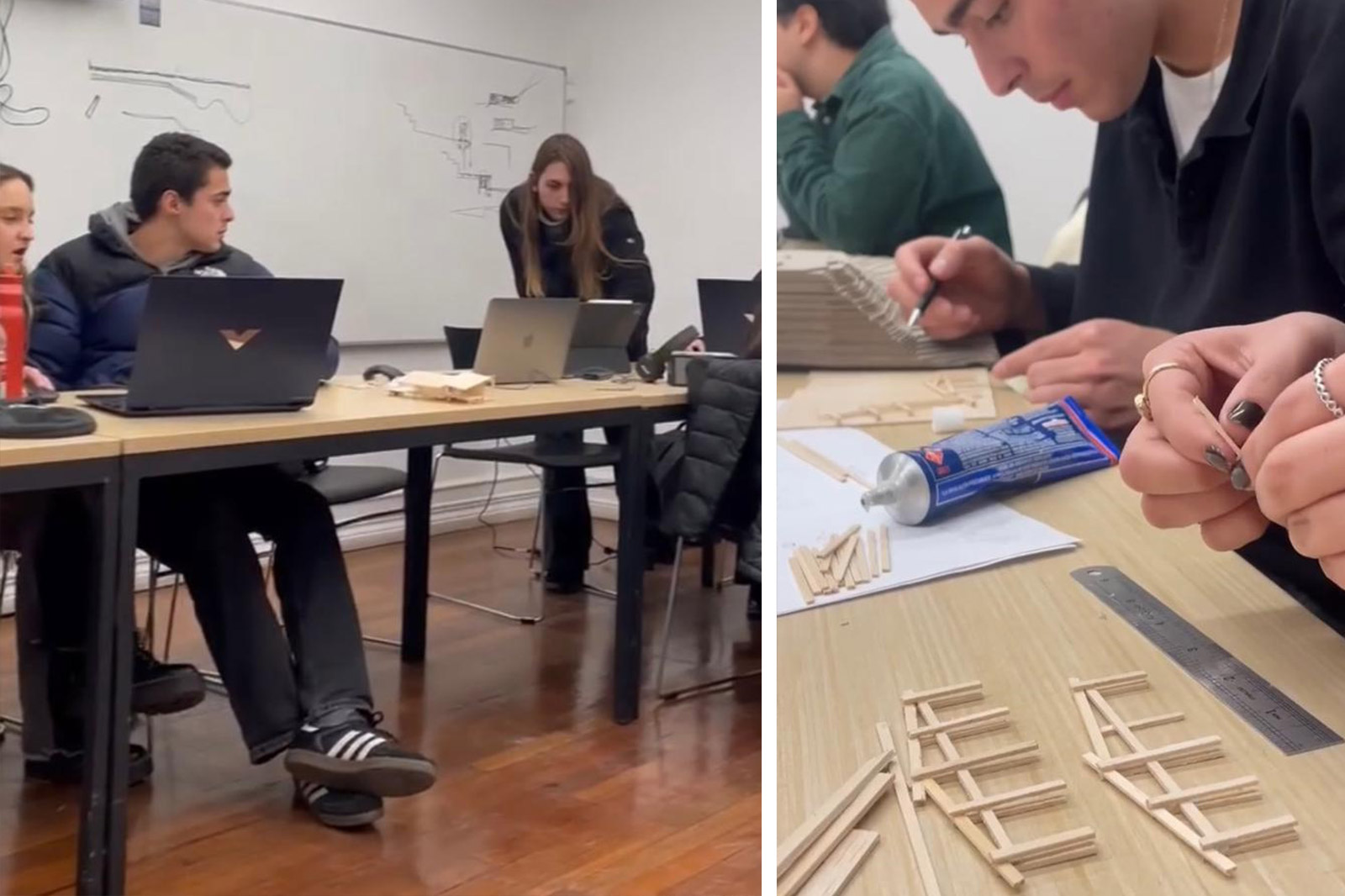
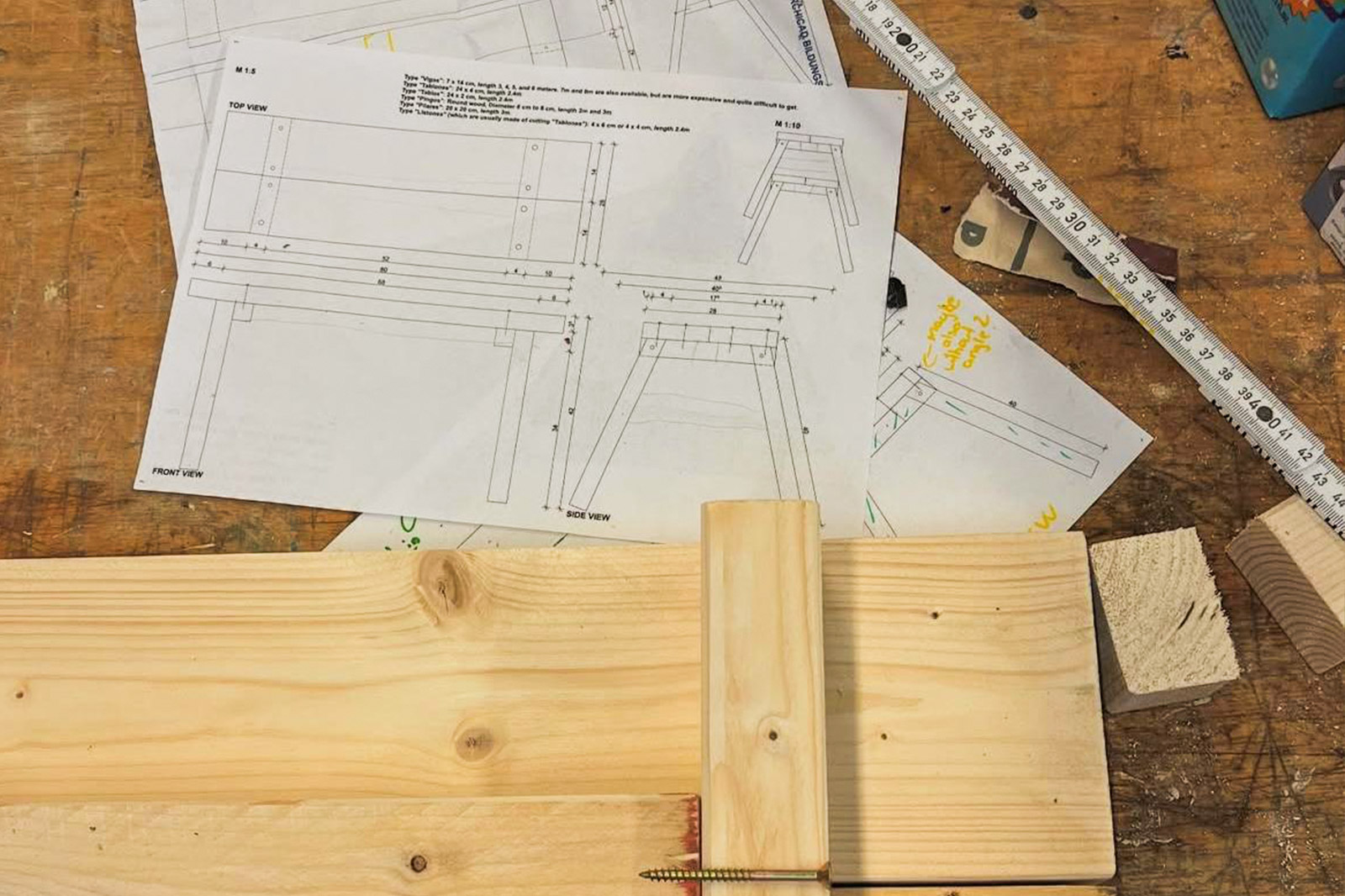
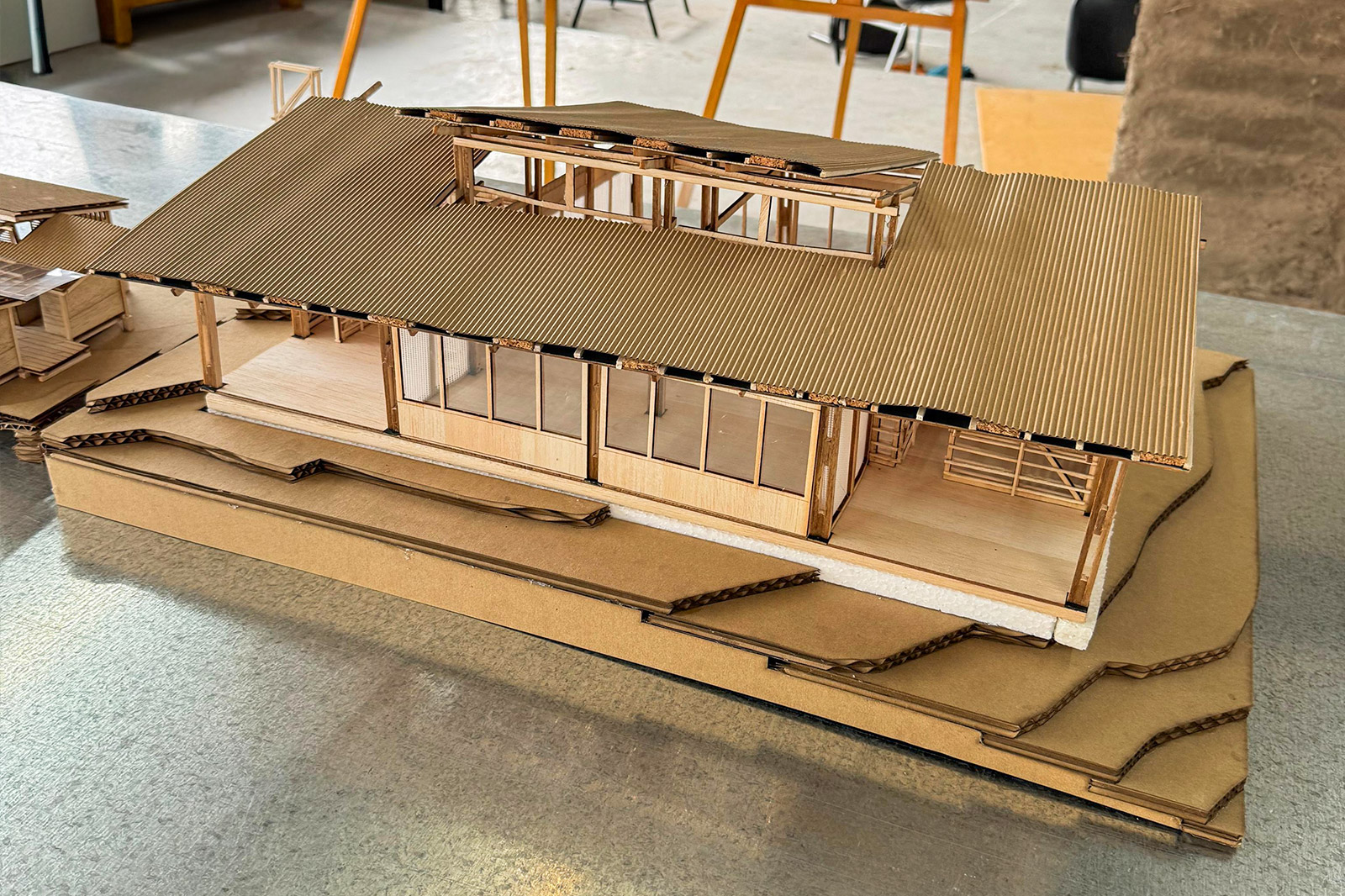
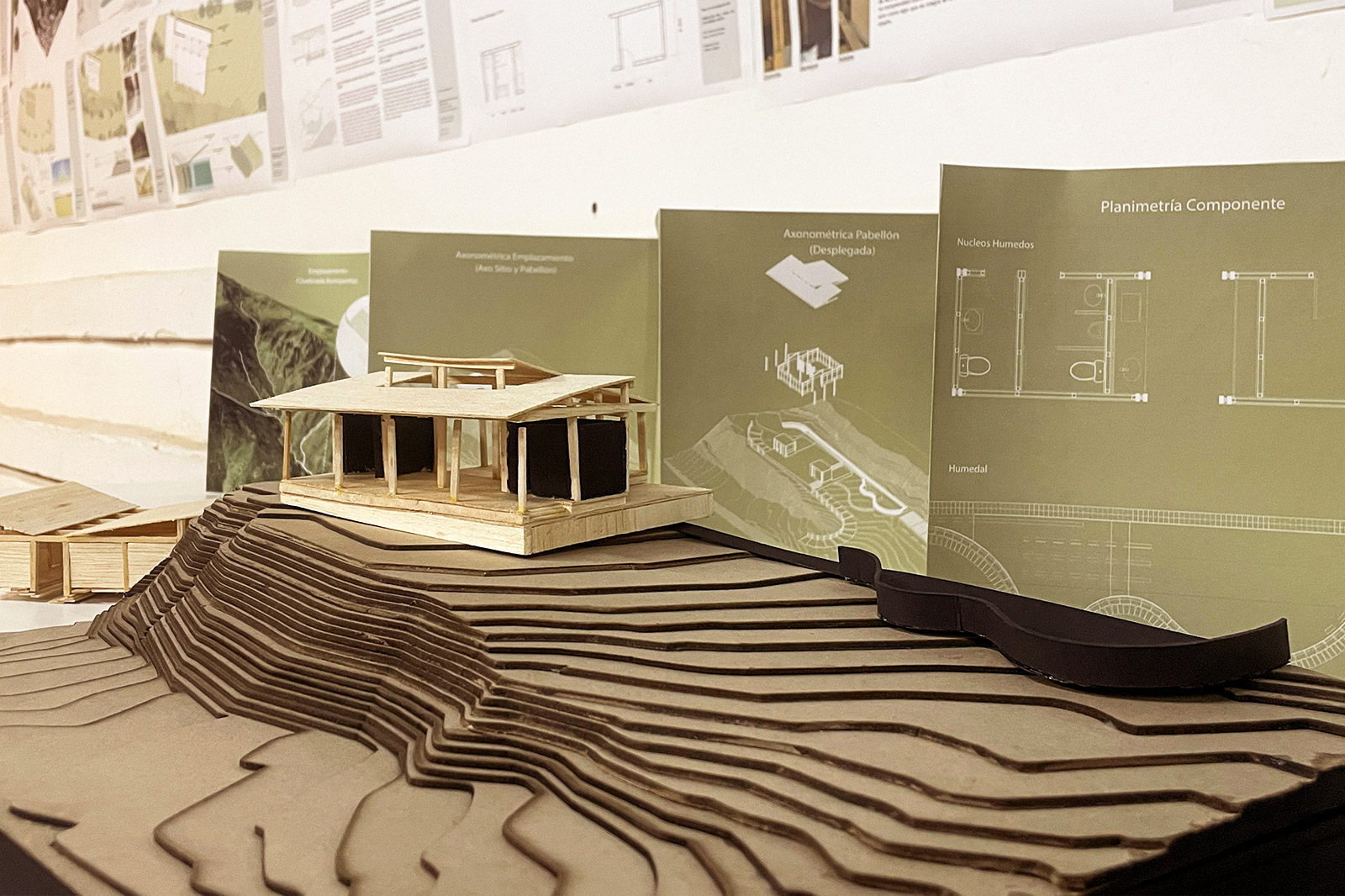
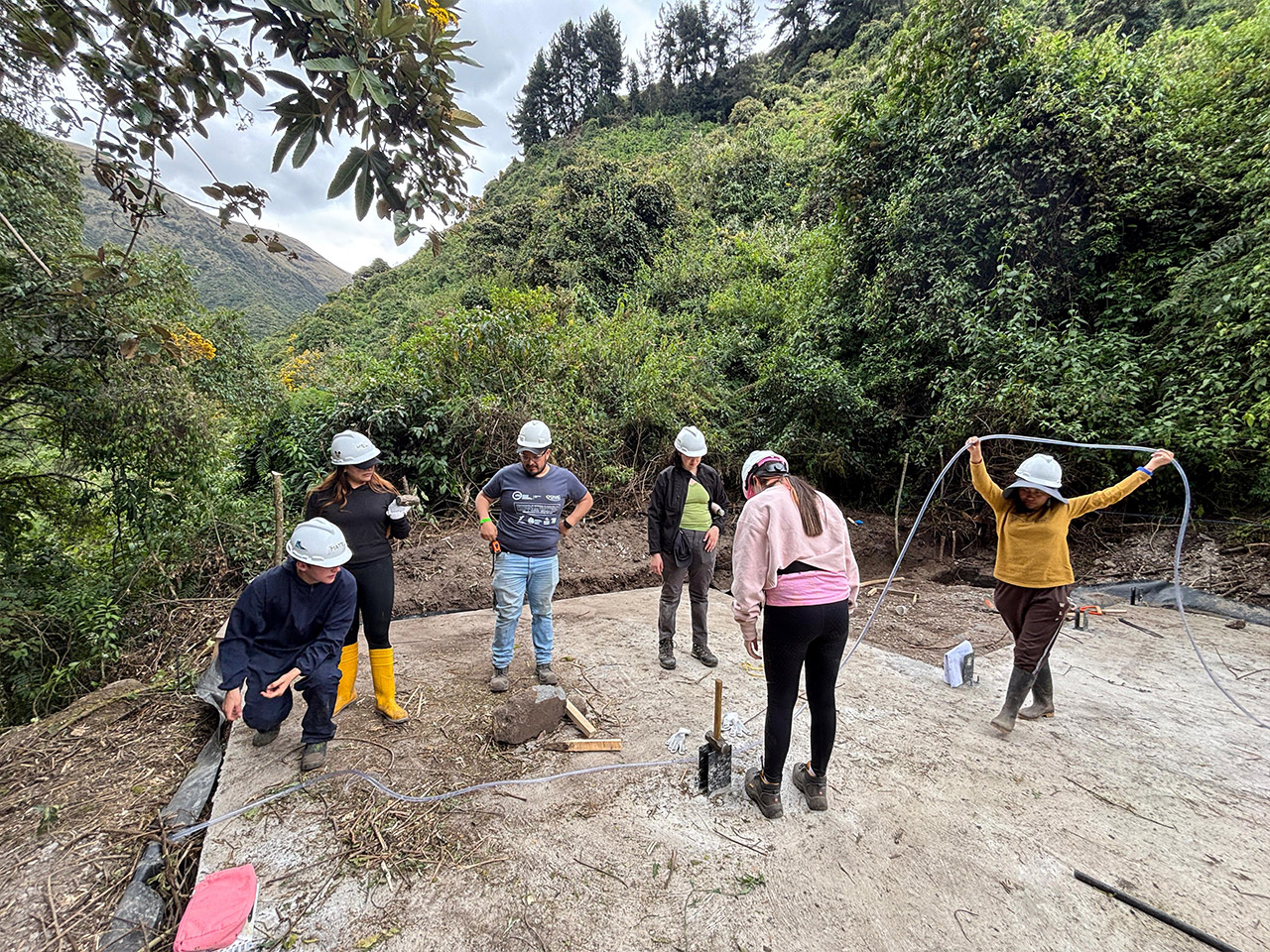
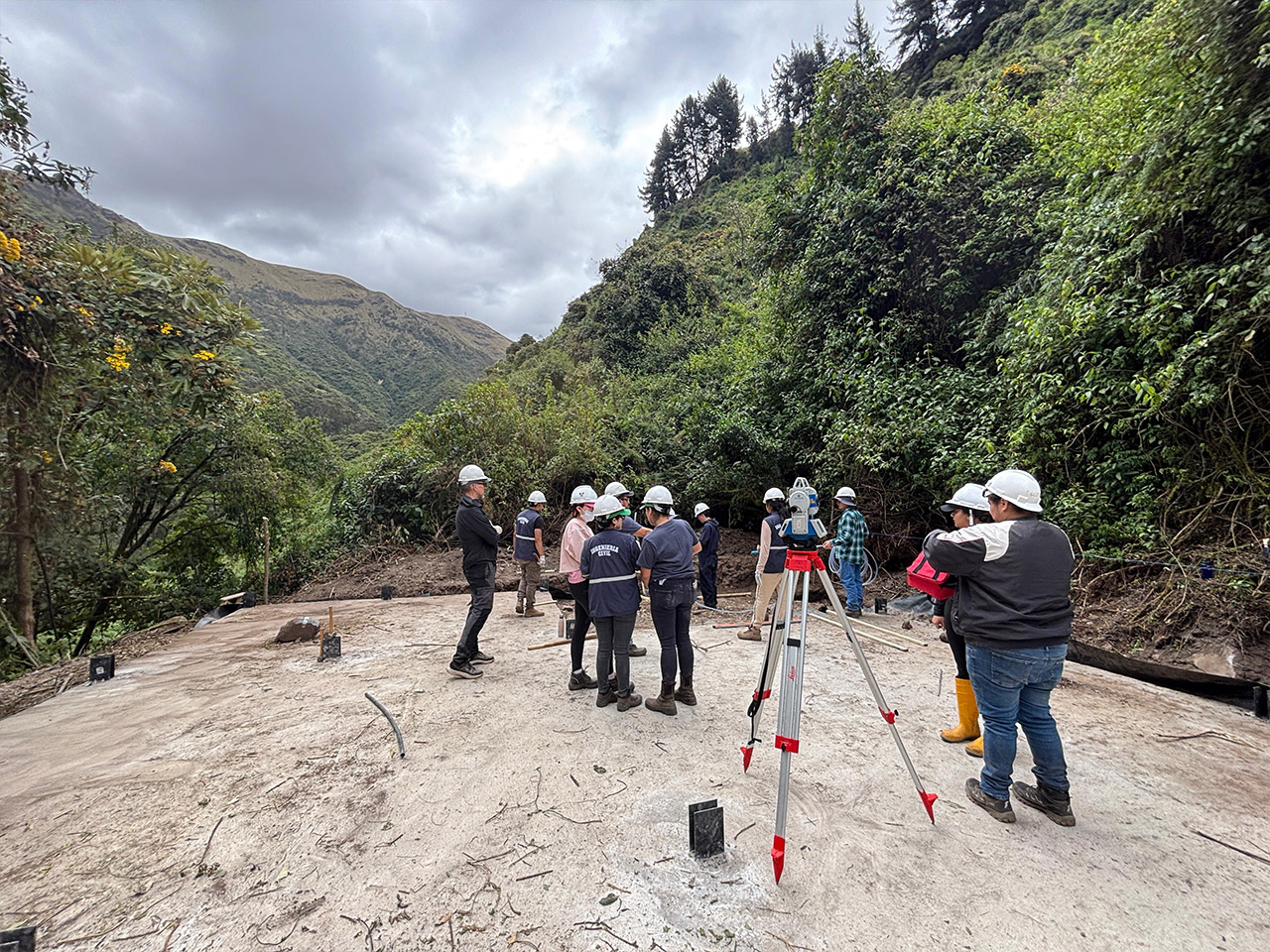
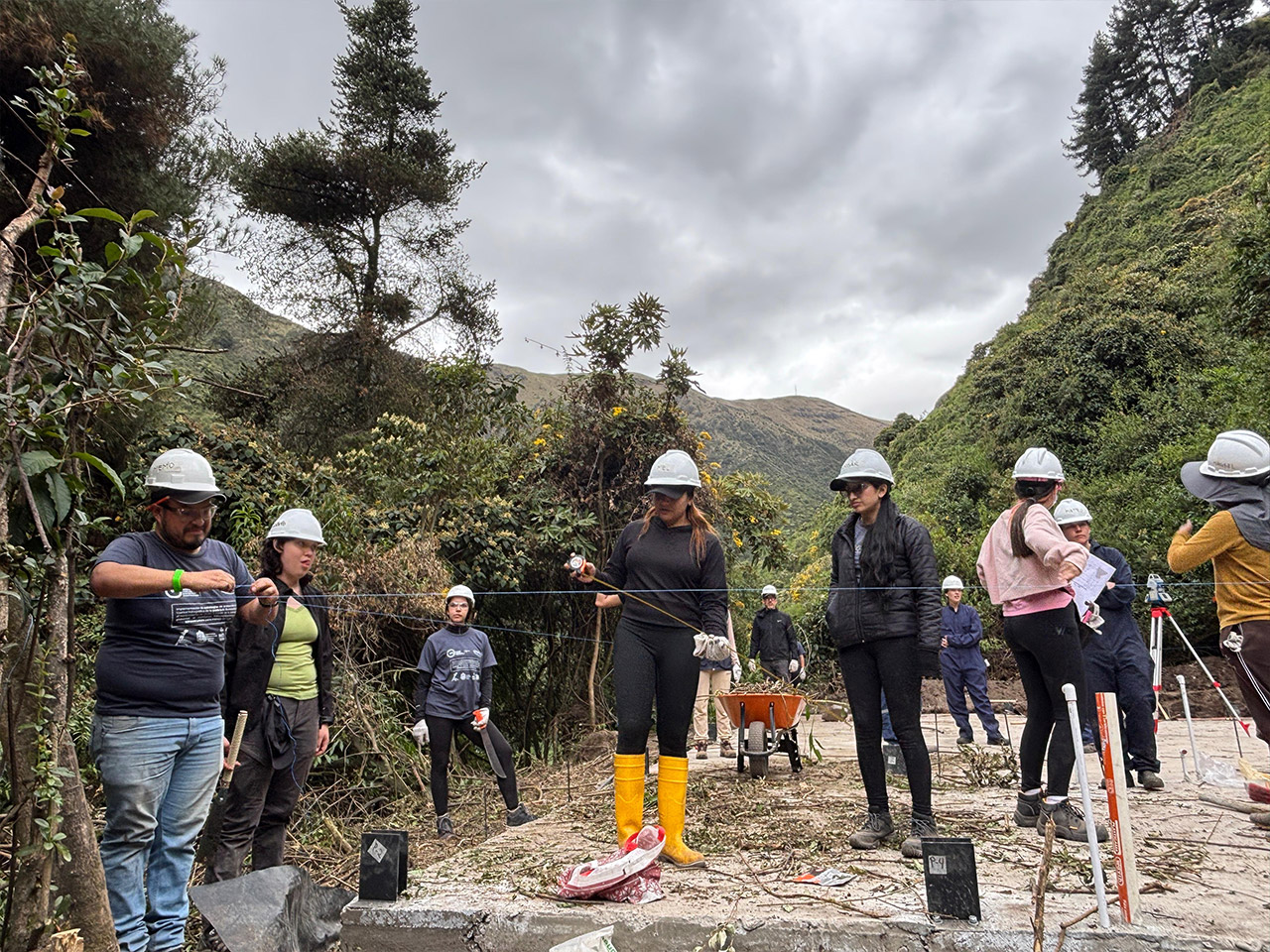
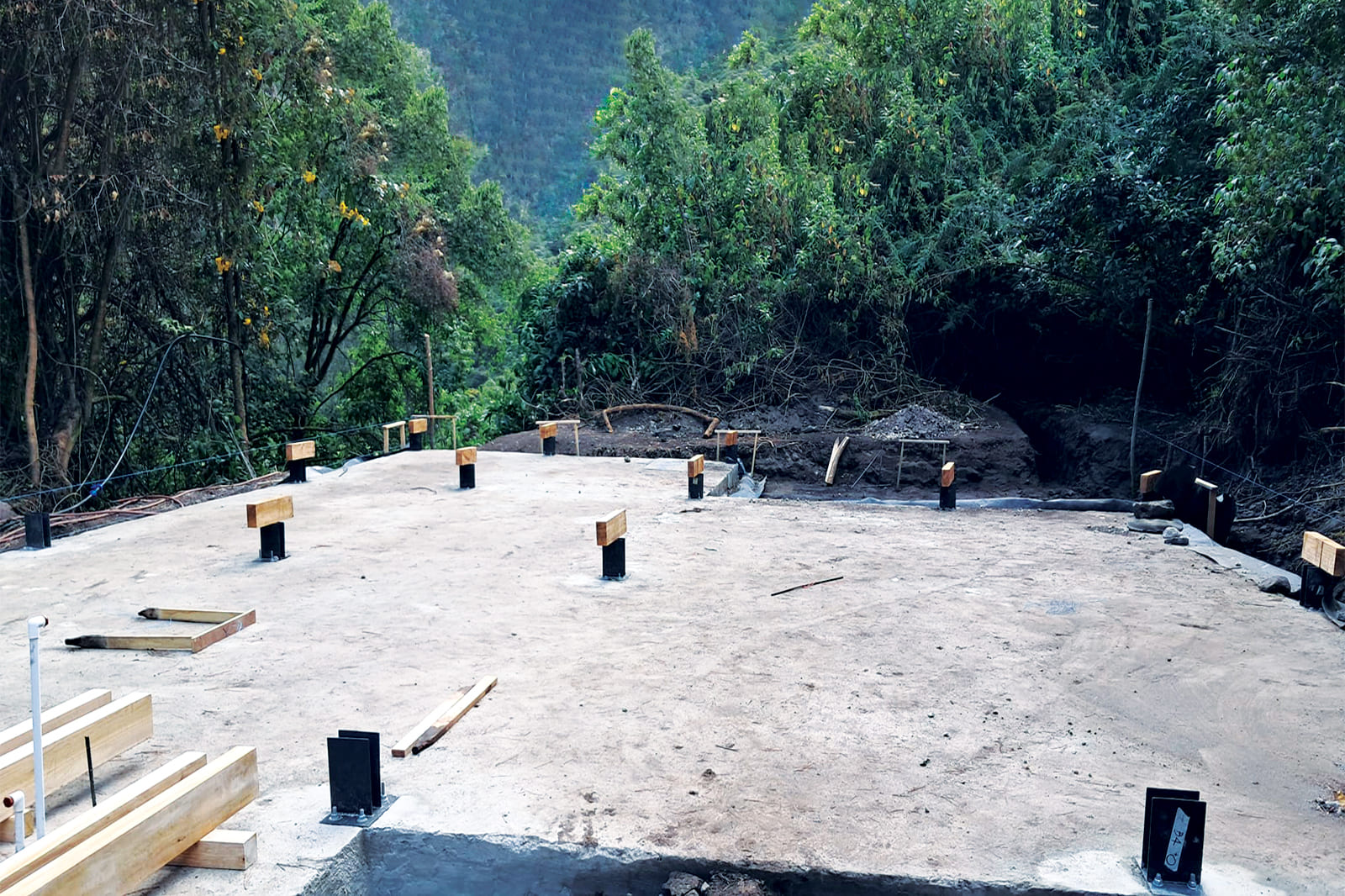
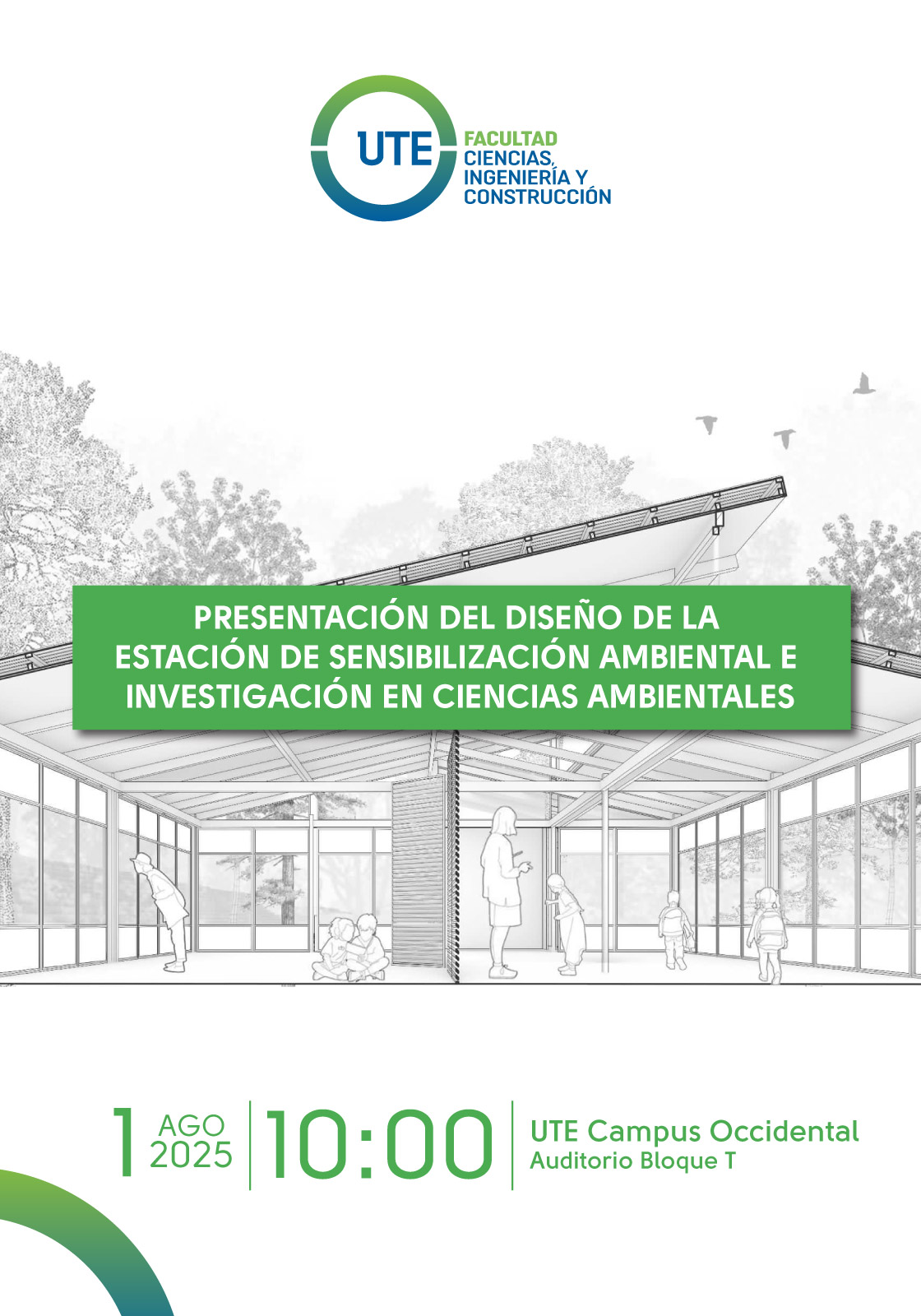
At the outset, UTE prepared the site master plan, conducted the topographic survey and setting-out, coordinated with FONAG and the contractor, managed logistics, and developed the structural and engineering design; in parallel, PUCE SI, PUC Chile, and Wismar (Architecture) defined the architectural, lighting, and landscape design, and produced the drawings that consolidated the project’s baseline package.
Construction


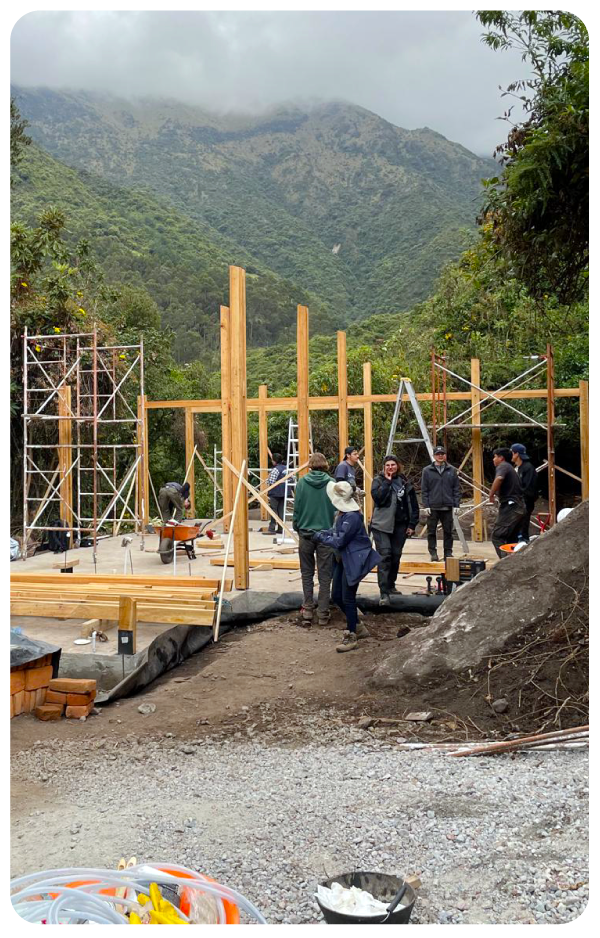
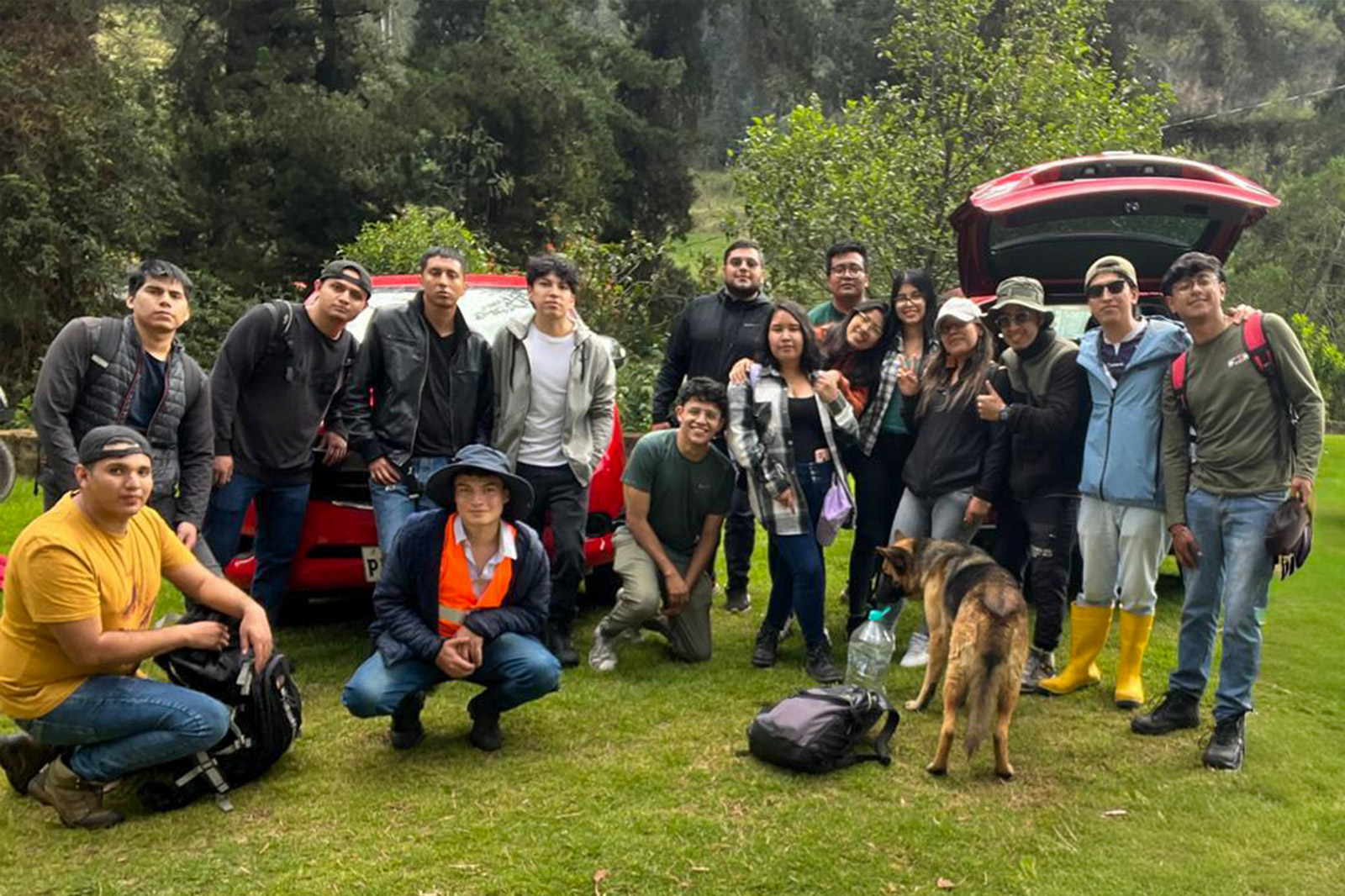
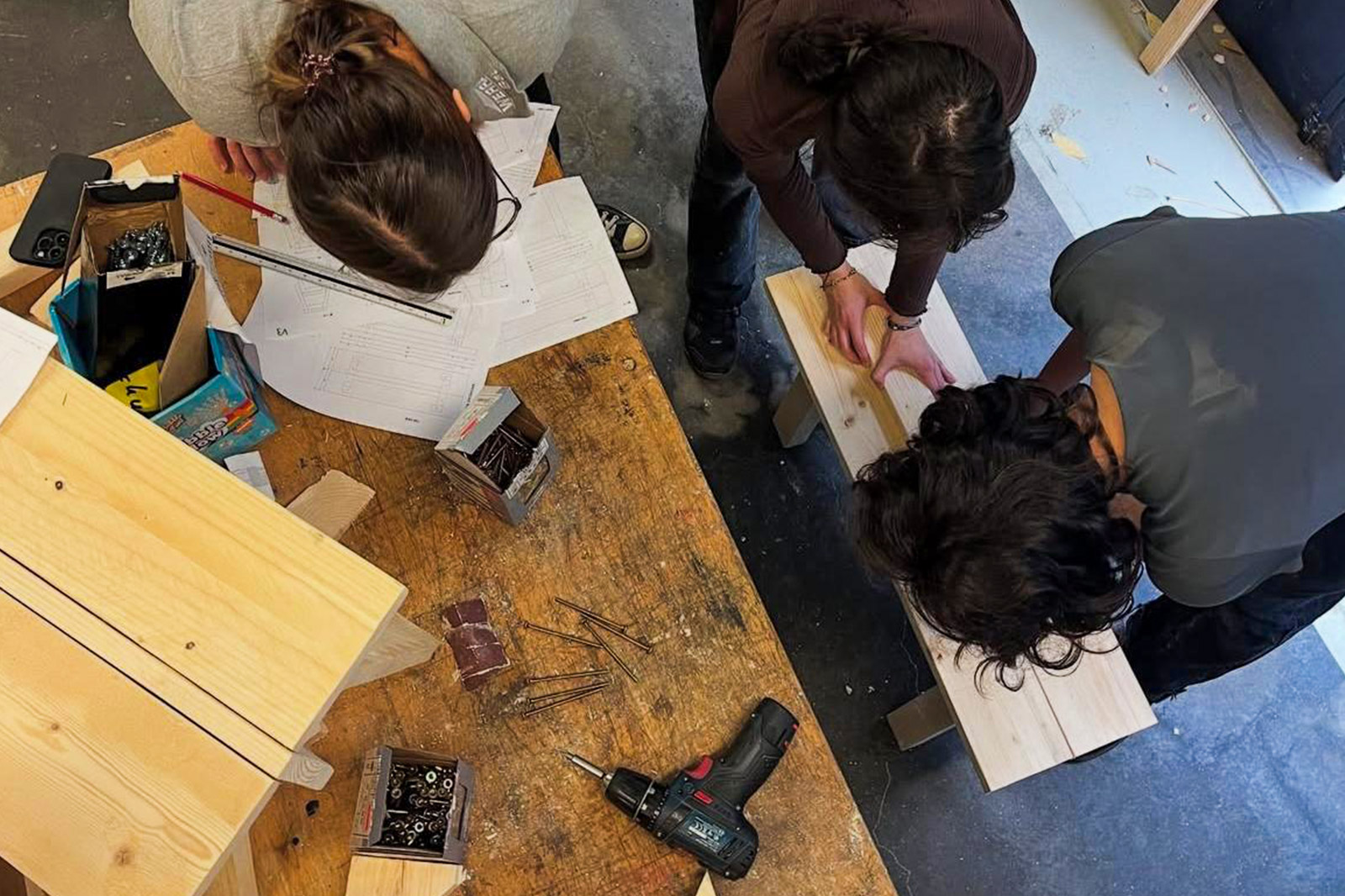
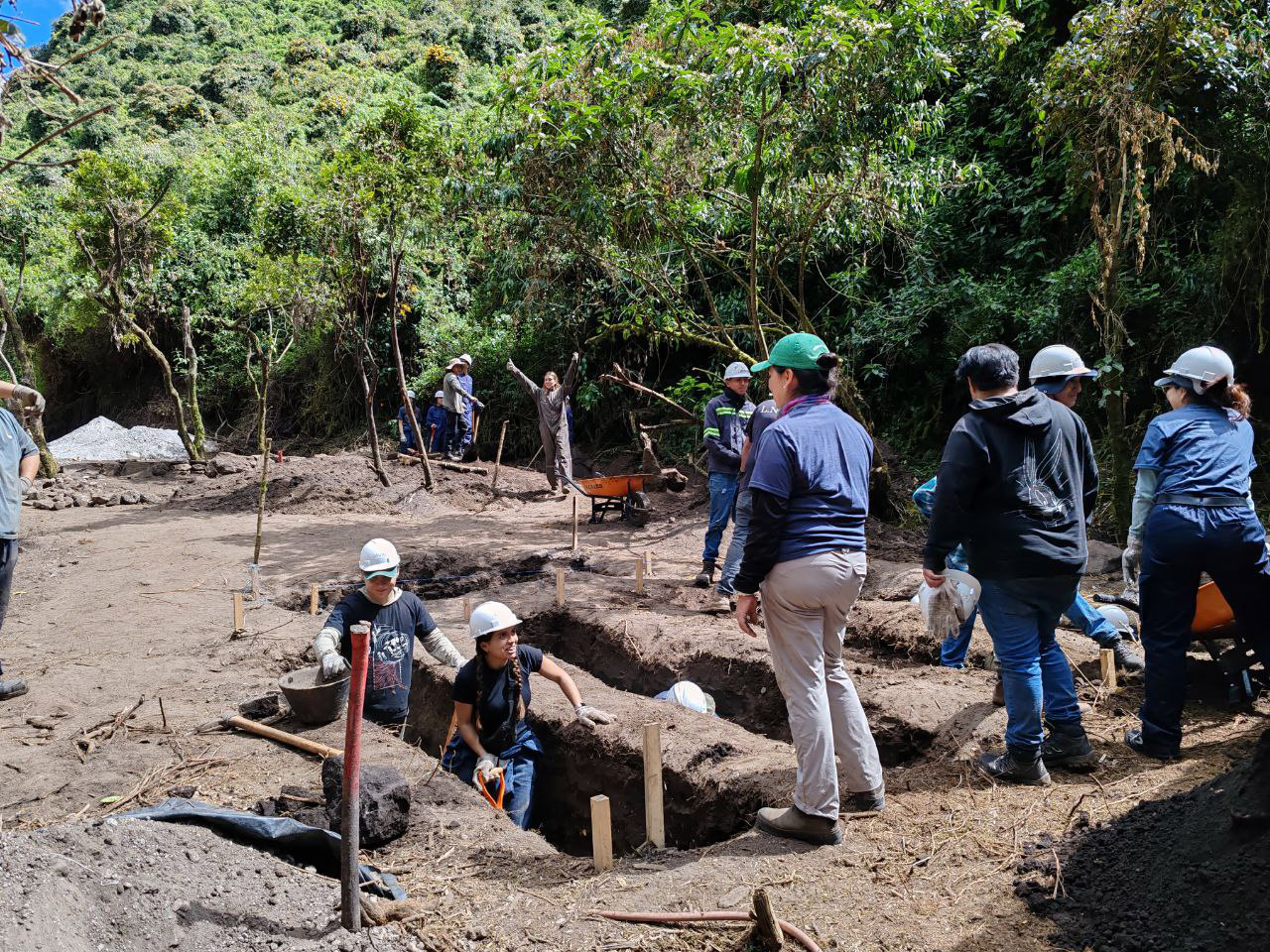
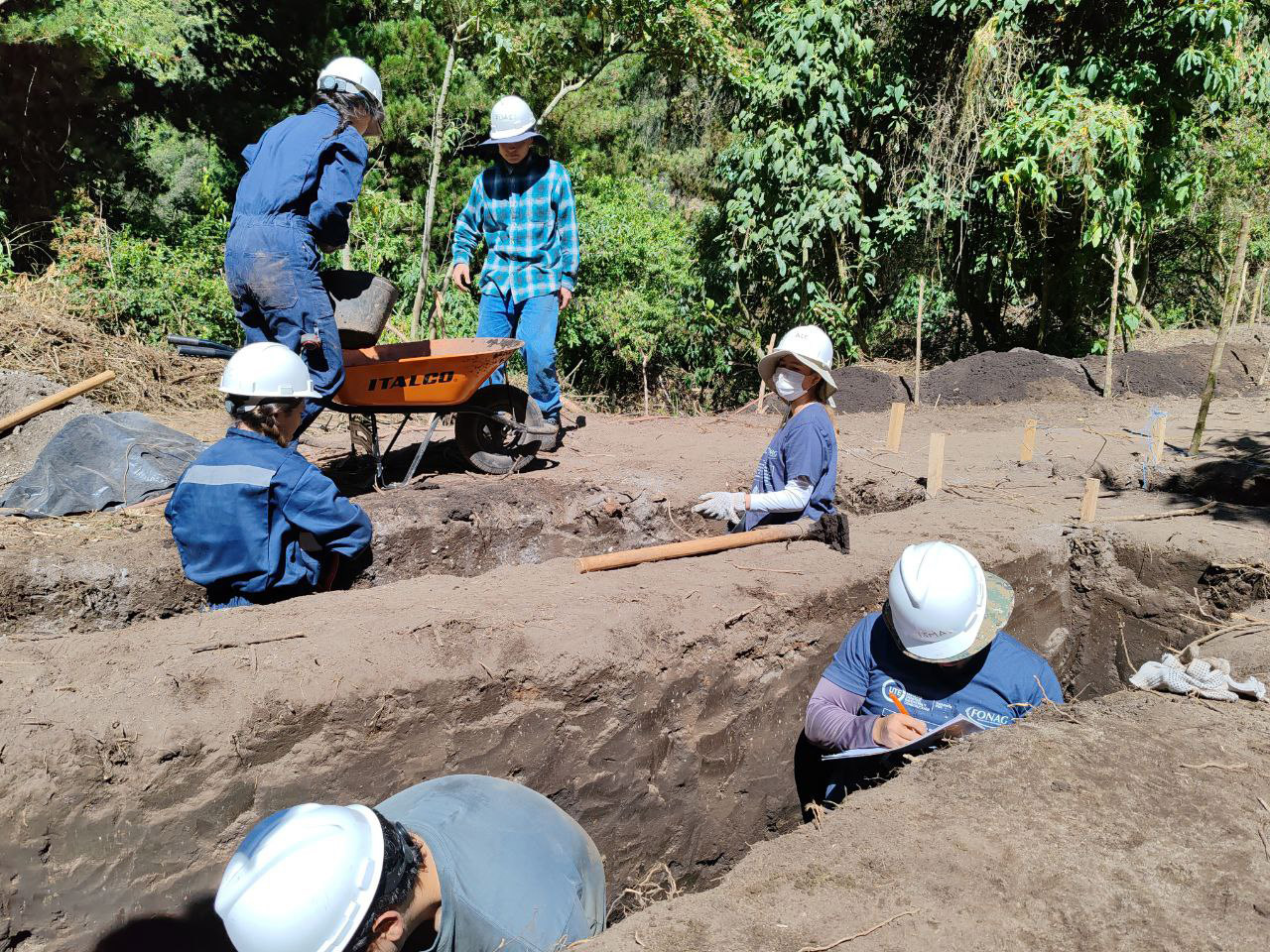
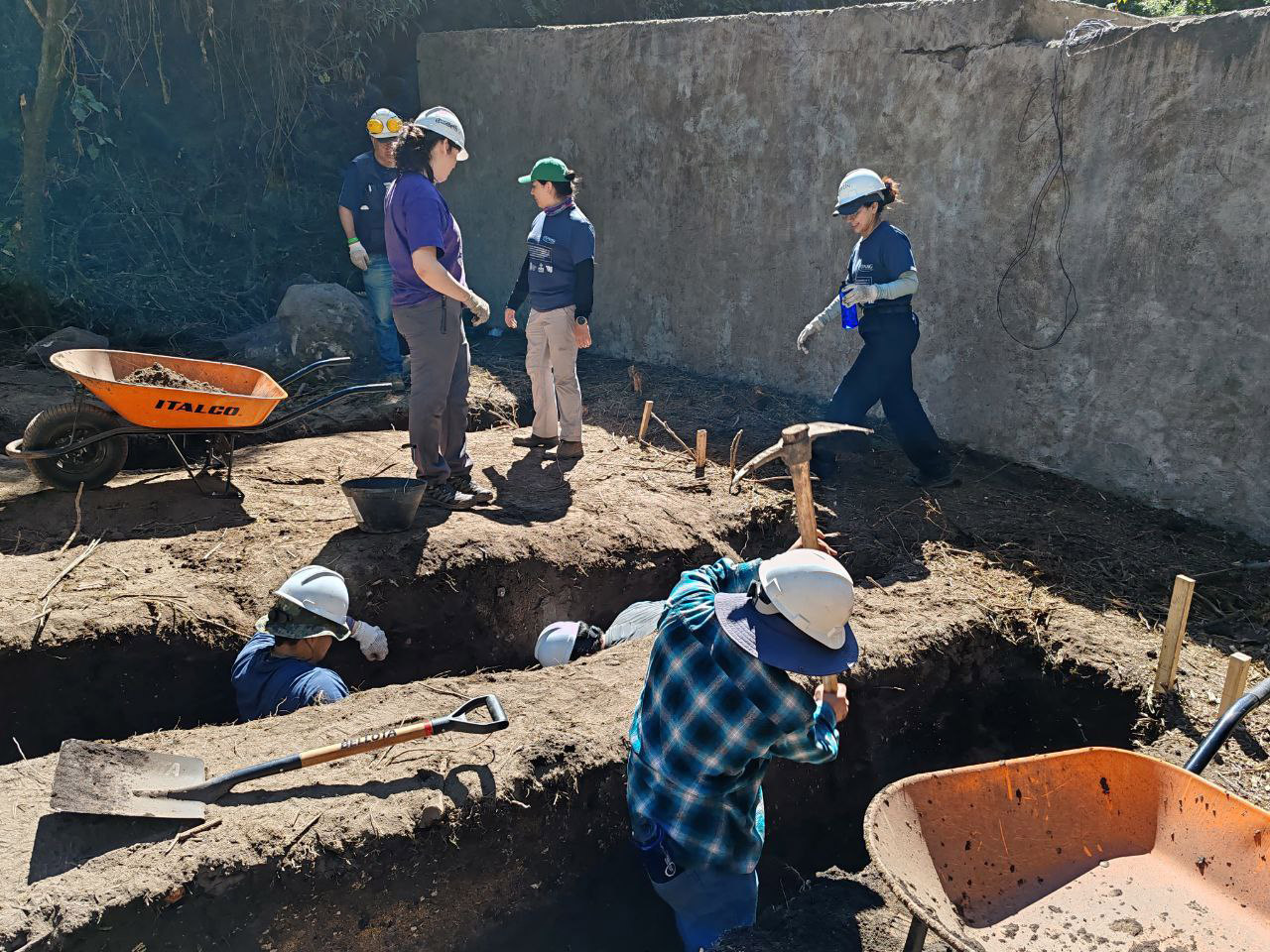
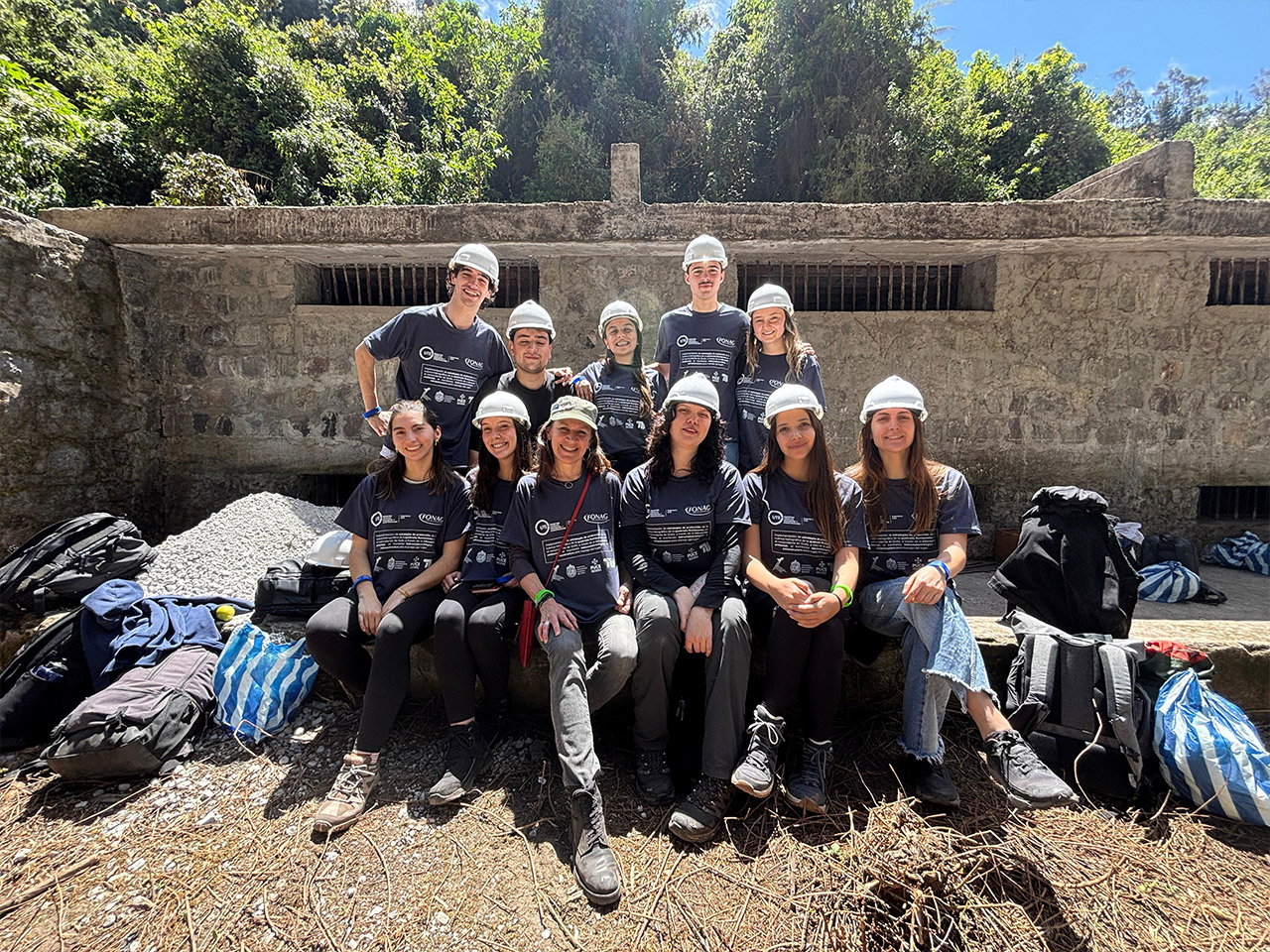
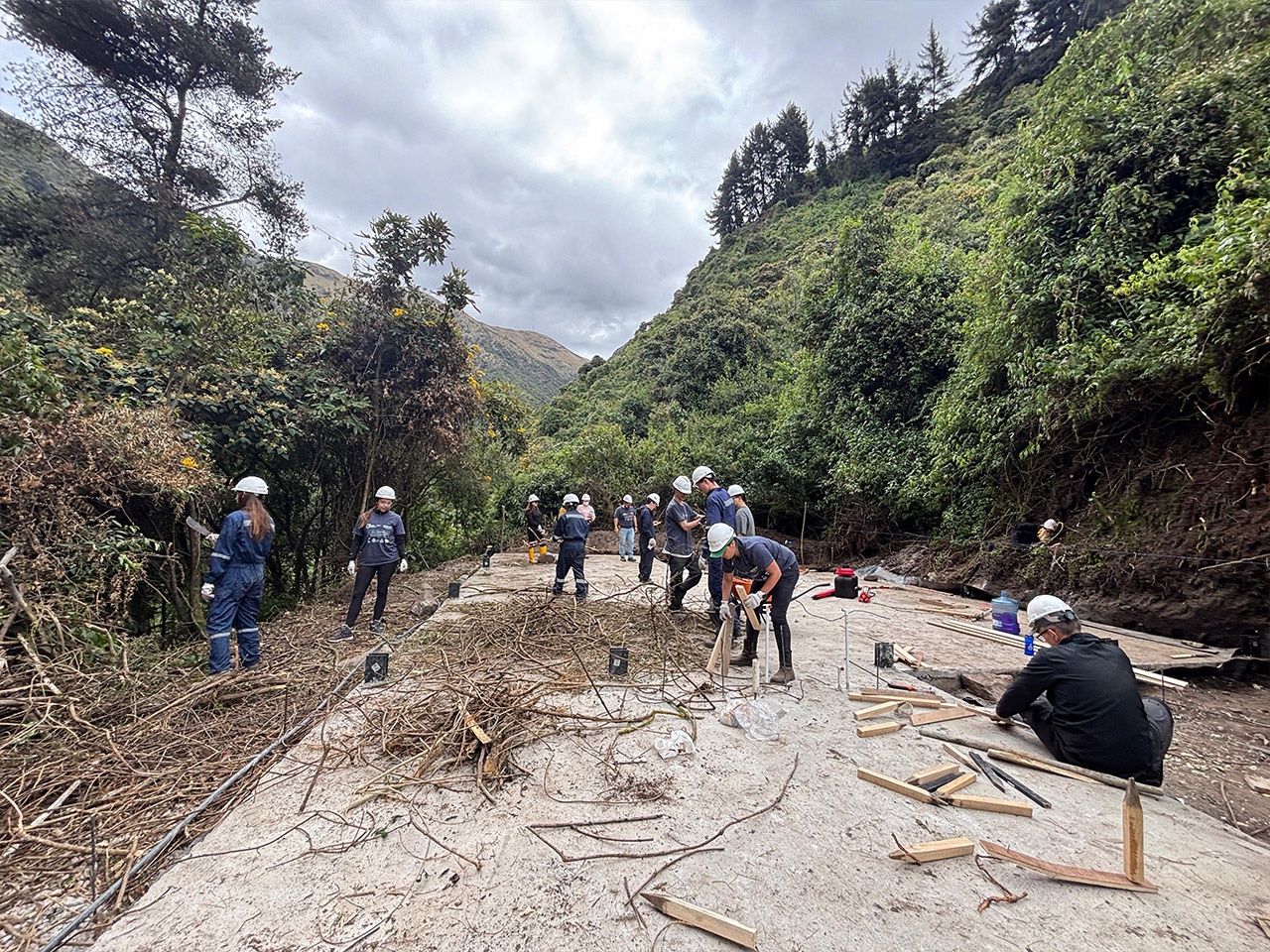
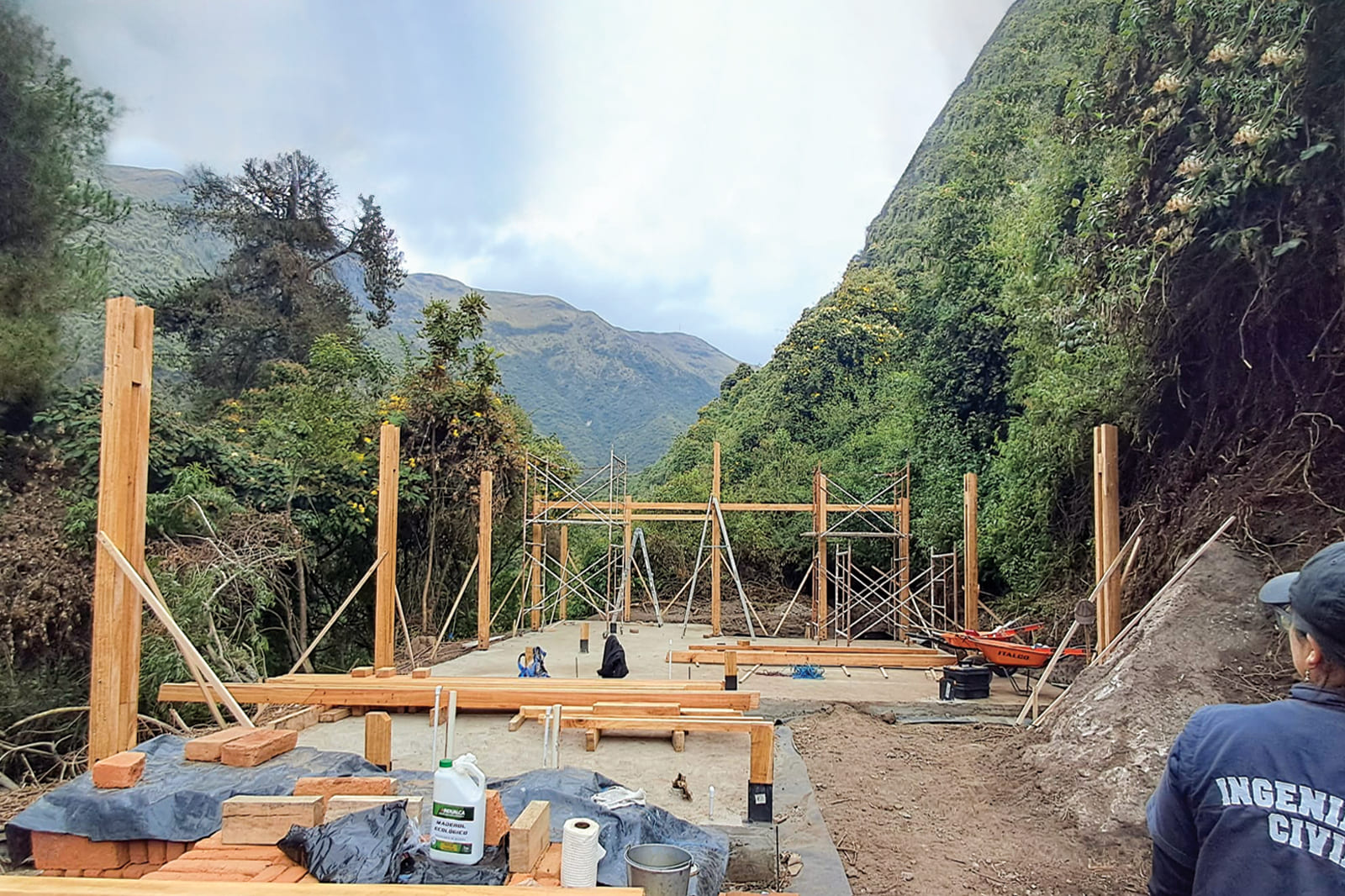
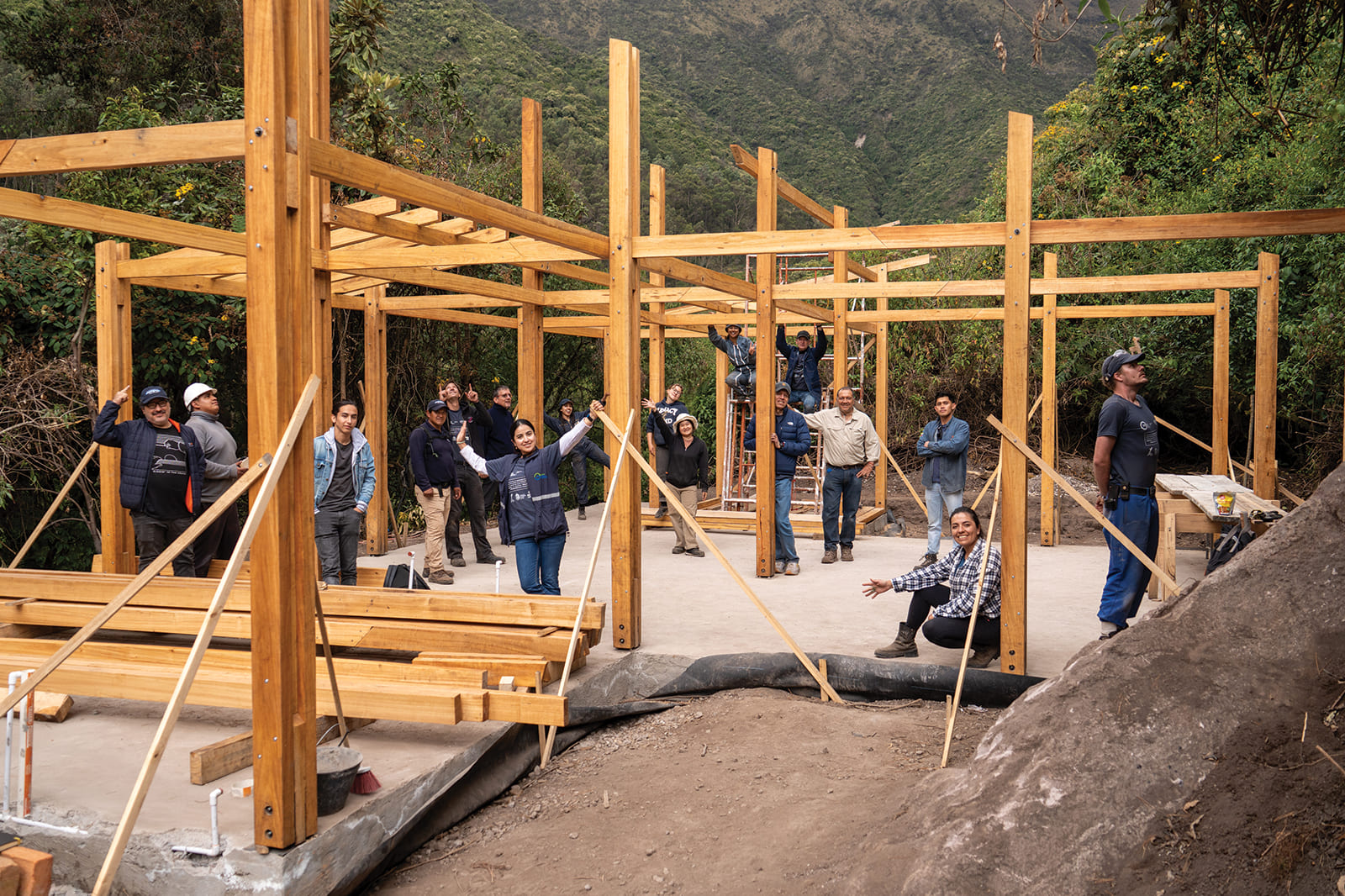
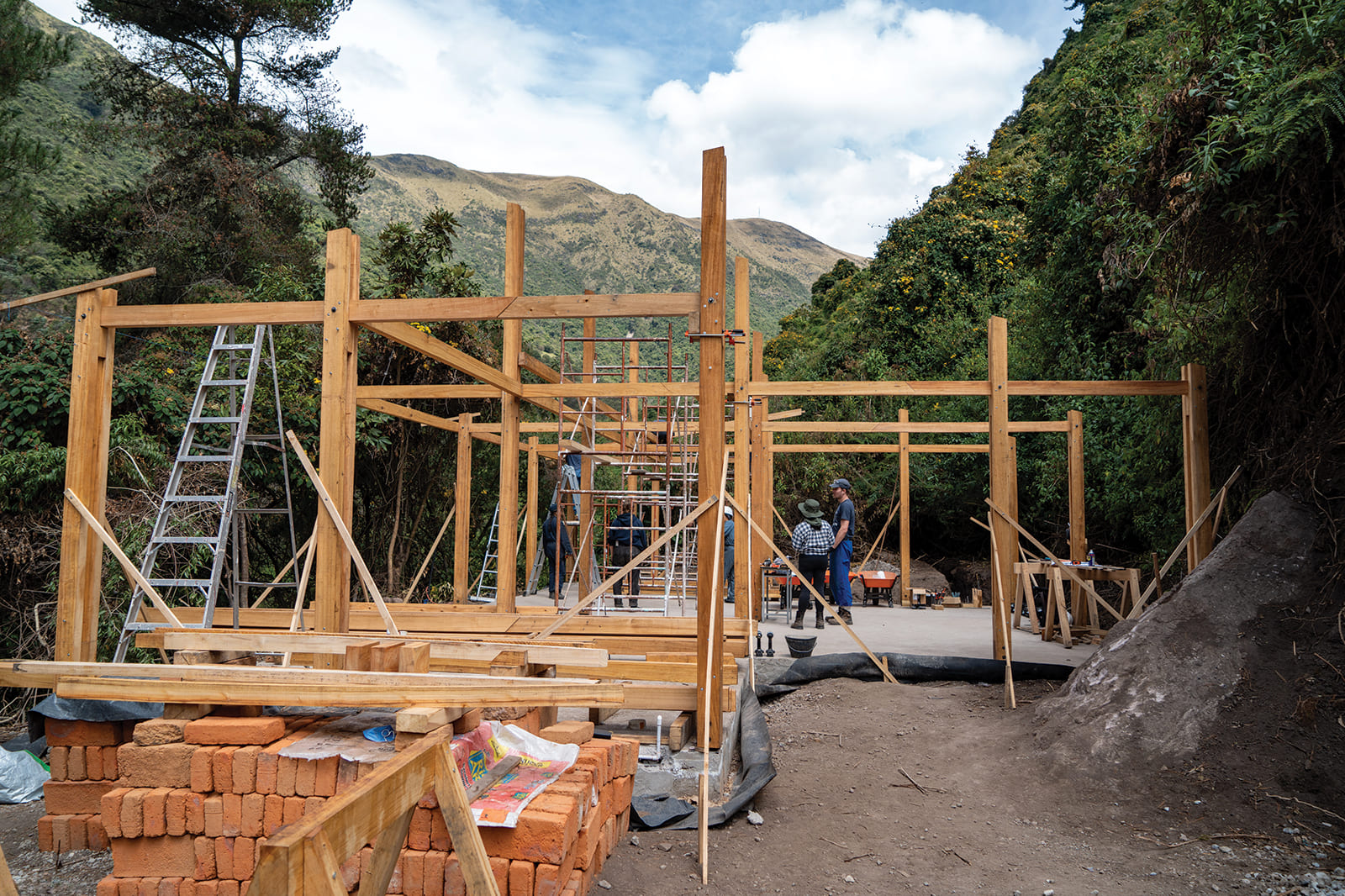
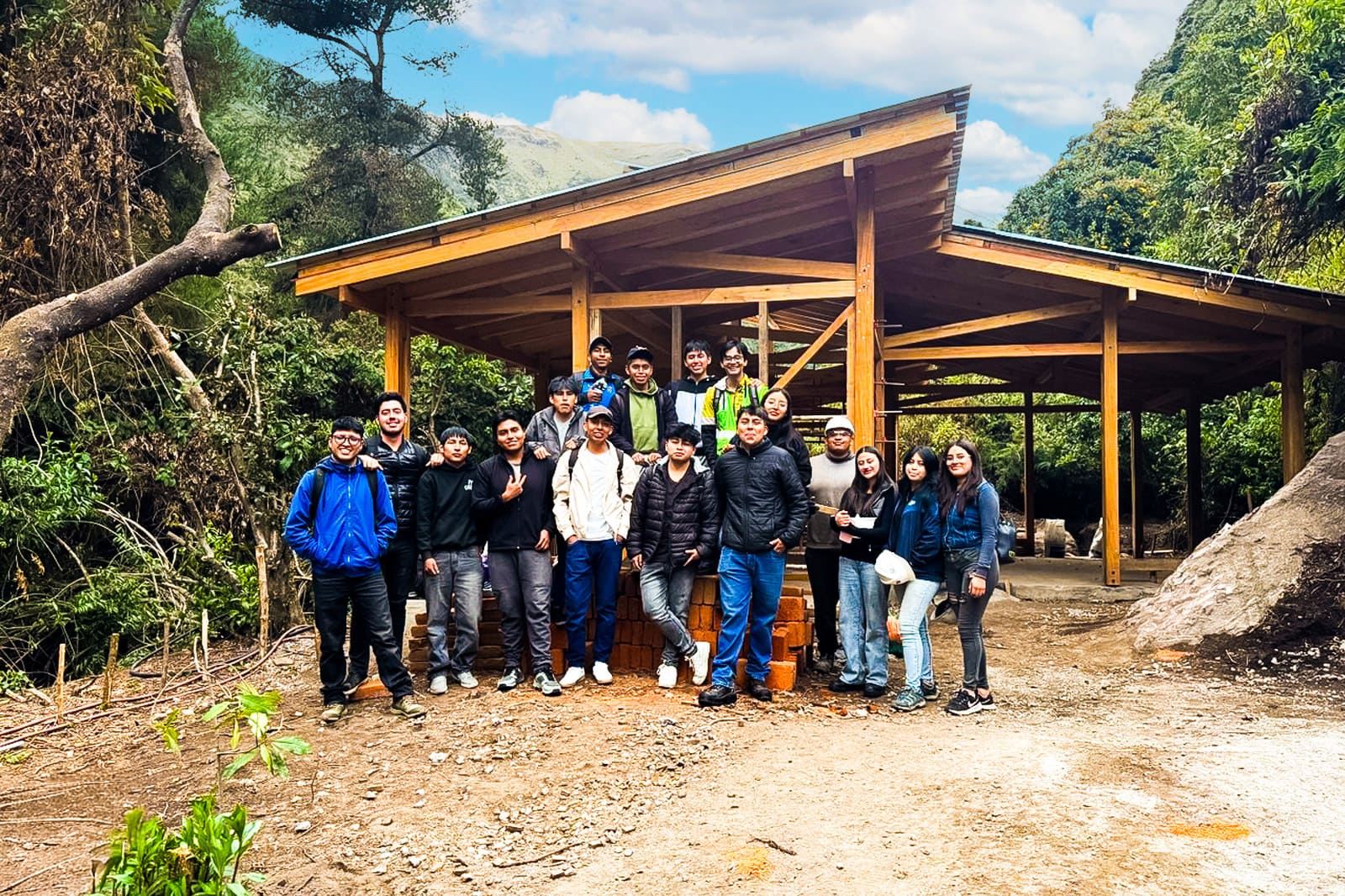
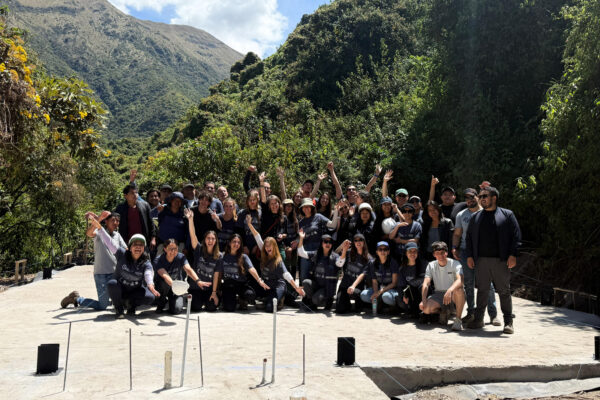
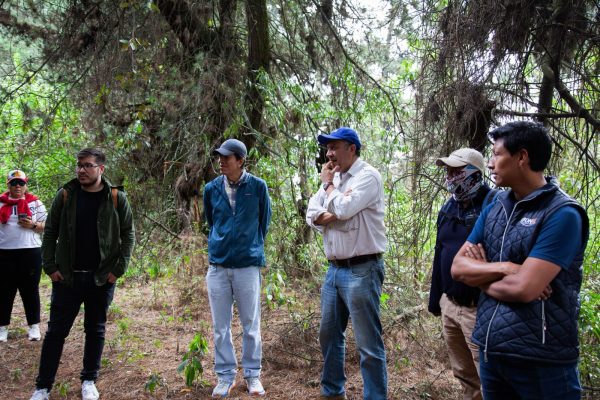
The initiative began with the exploration of the site by an interdisciplinary team in a natural environment of high hydrological value. Later, the active participation of students, professors, and guests was integrated under the design-build methodology. This consolidated a joint effort aimed at strengthening environmental education, applied research, and sustainable water management.


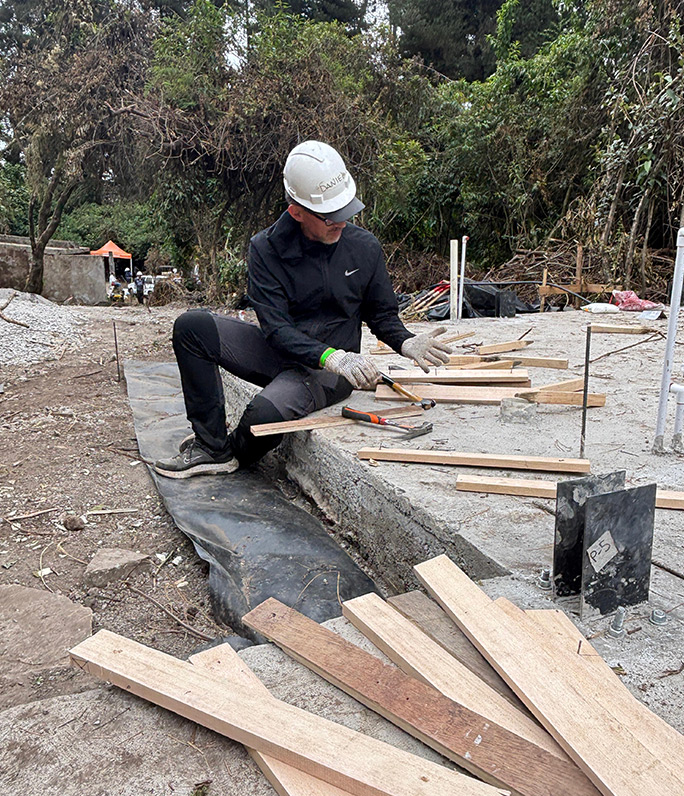
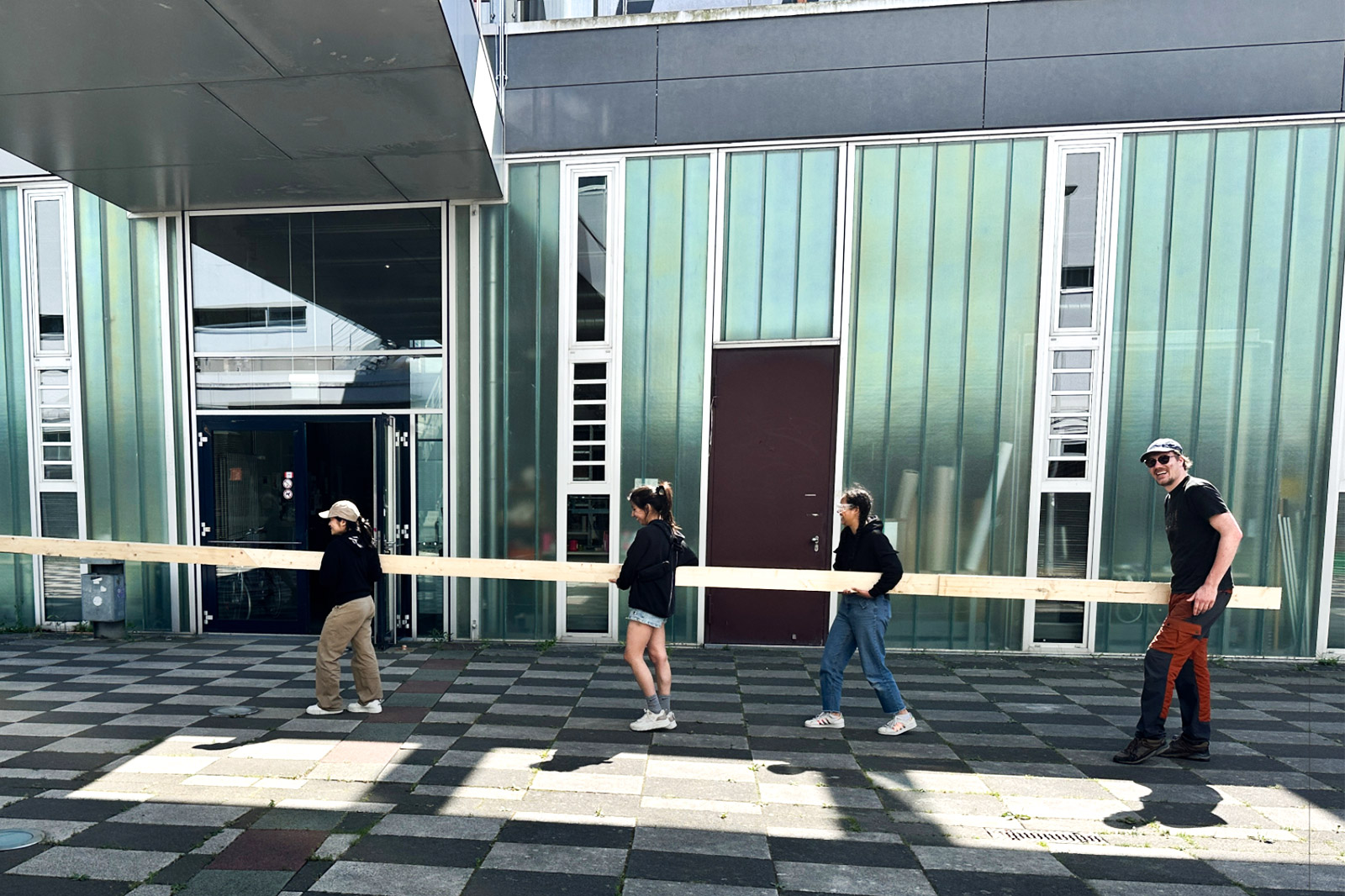
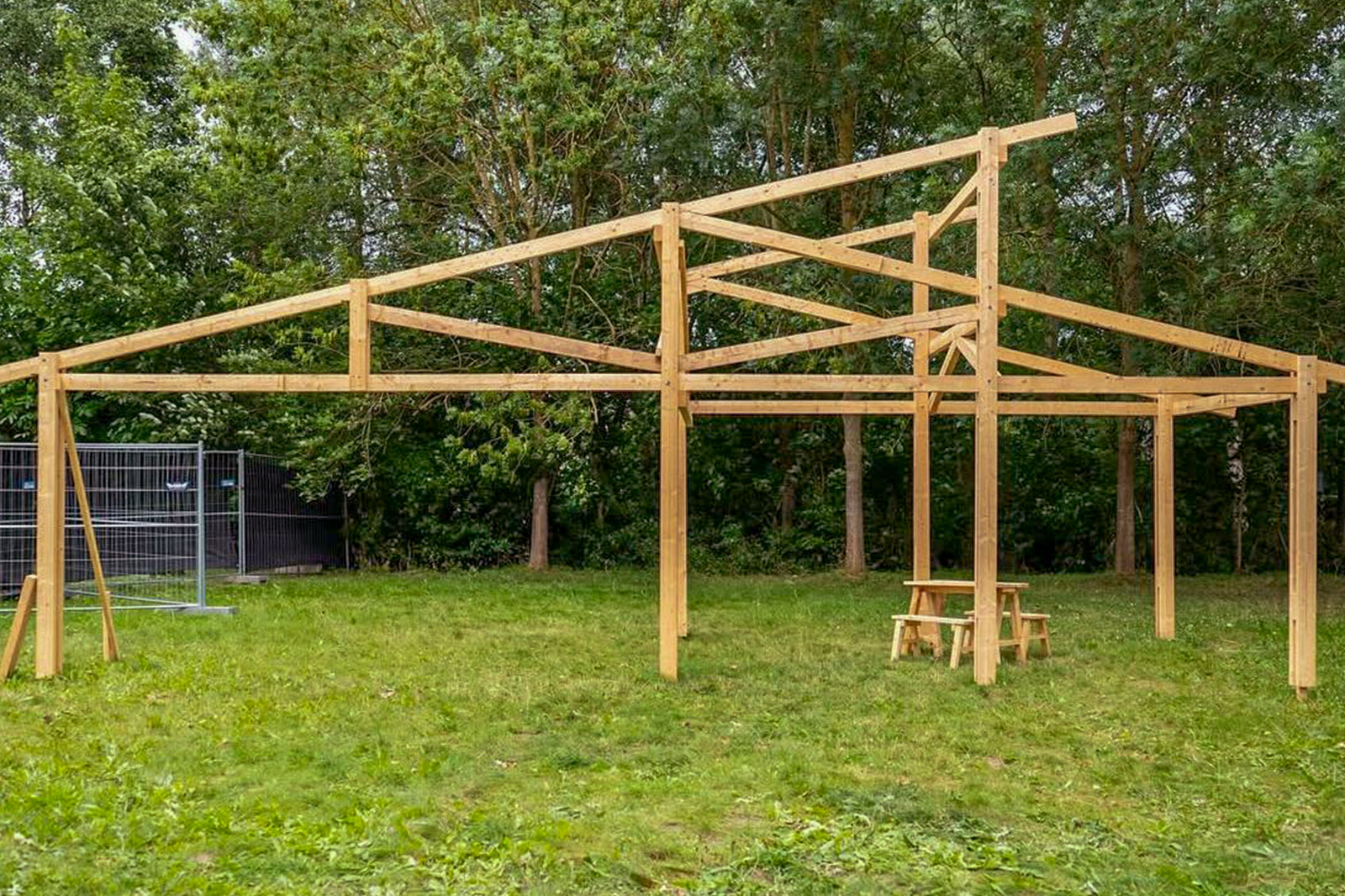
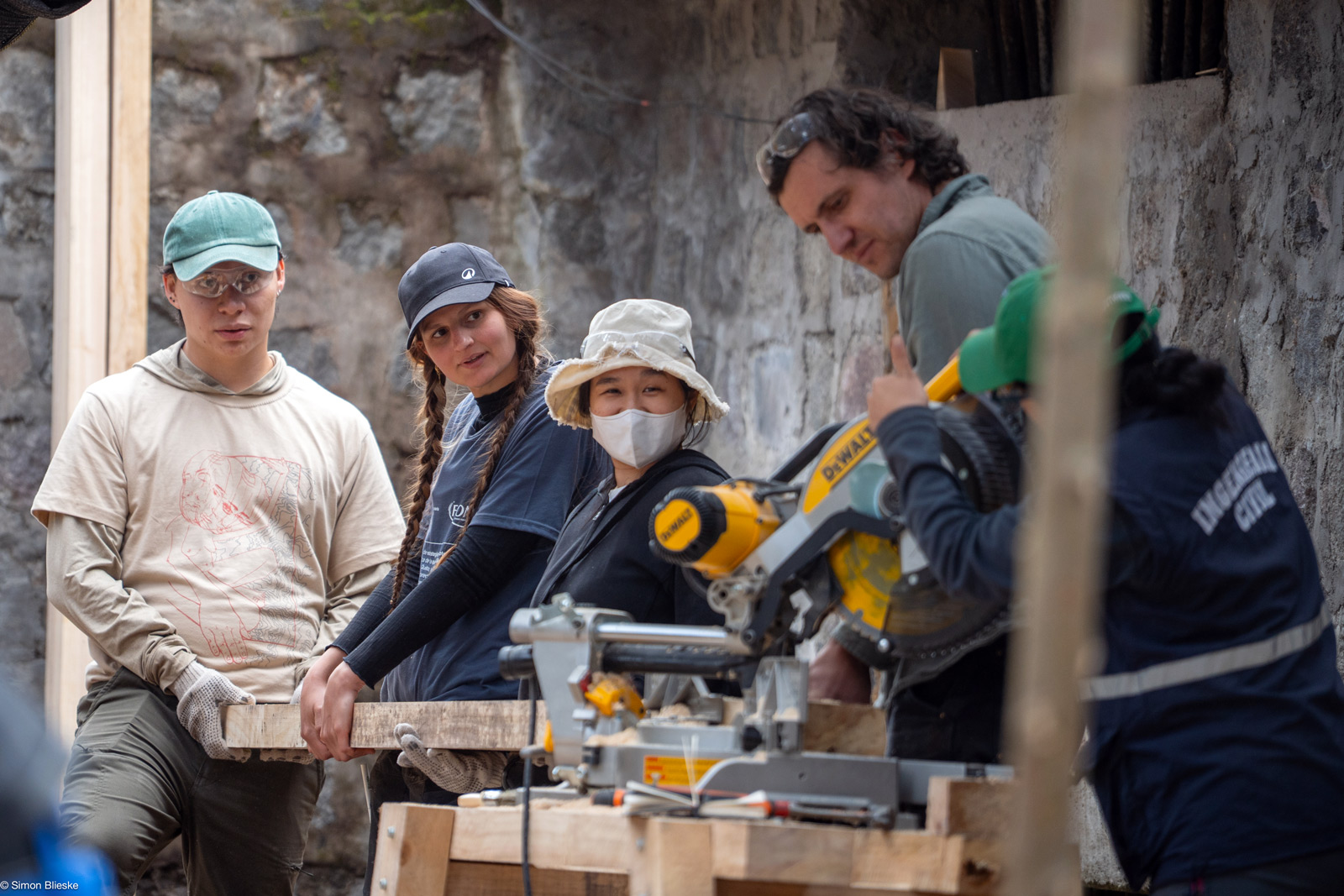
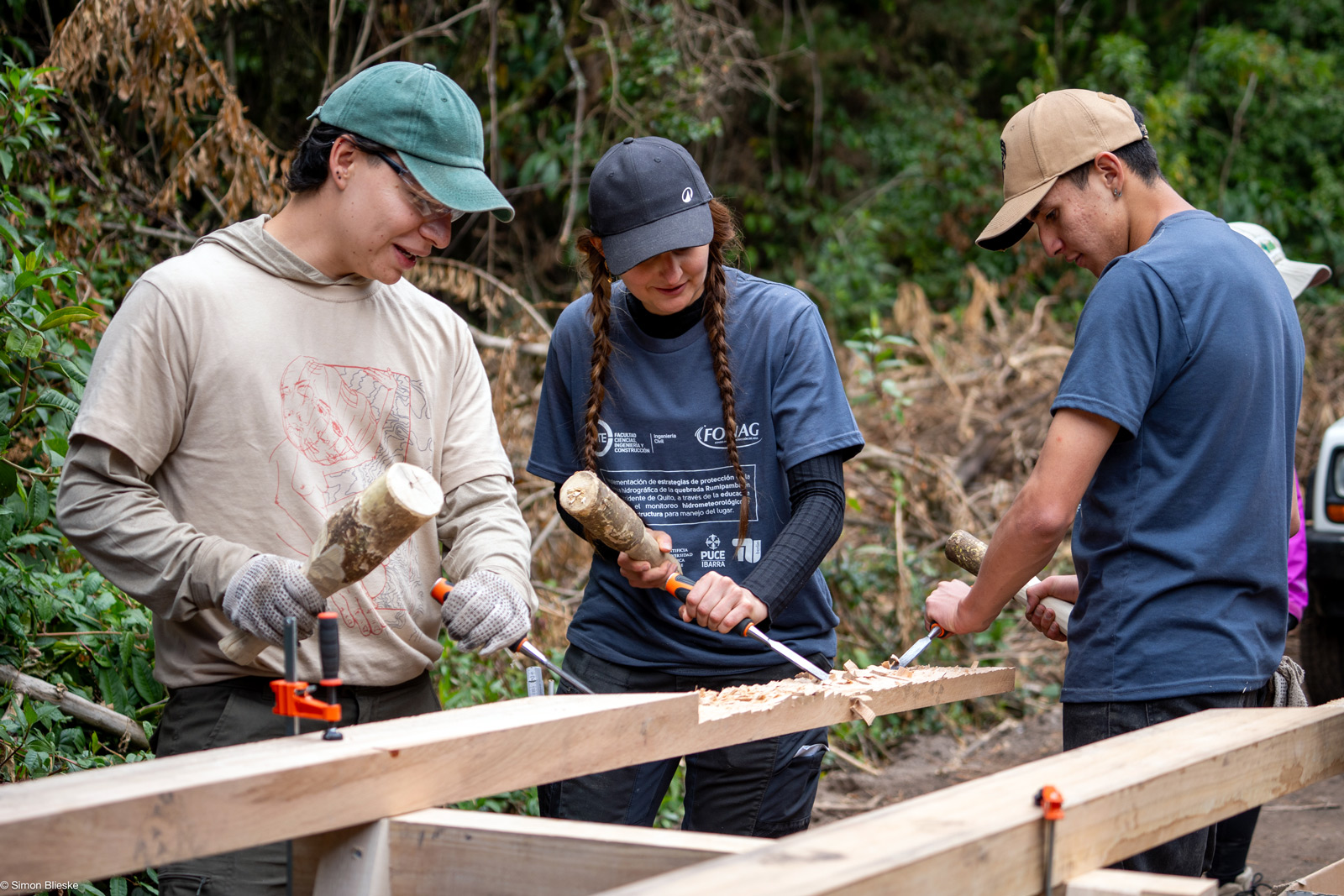
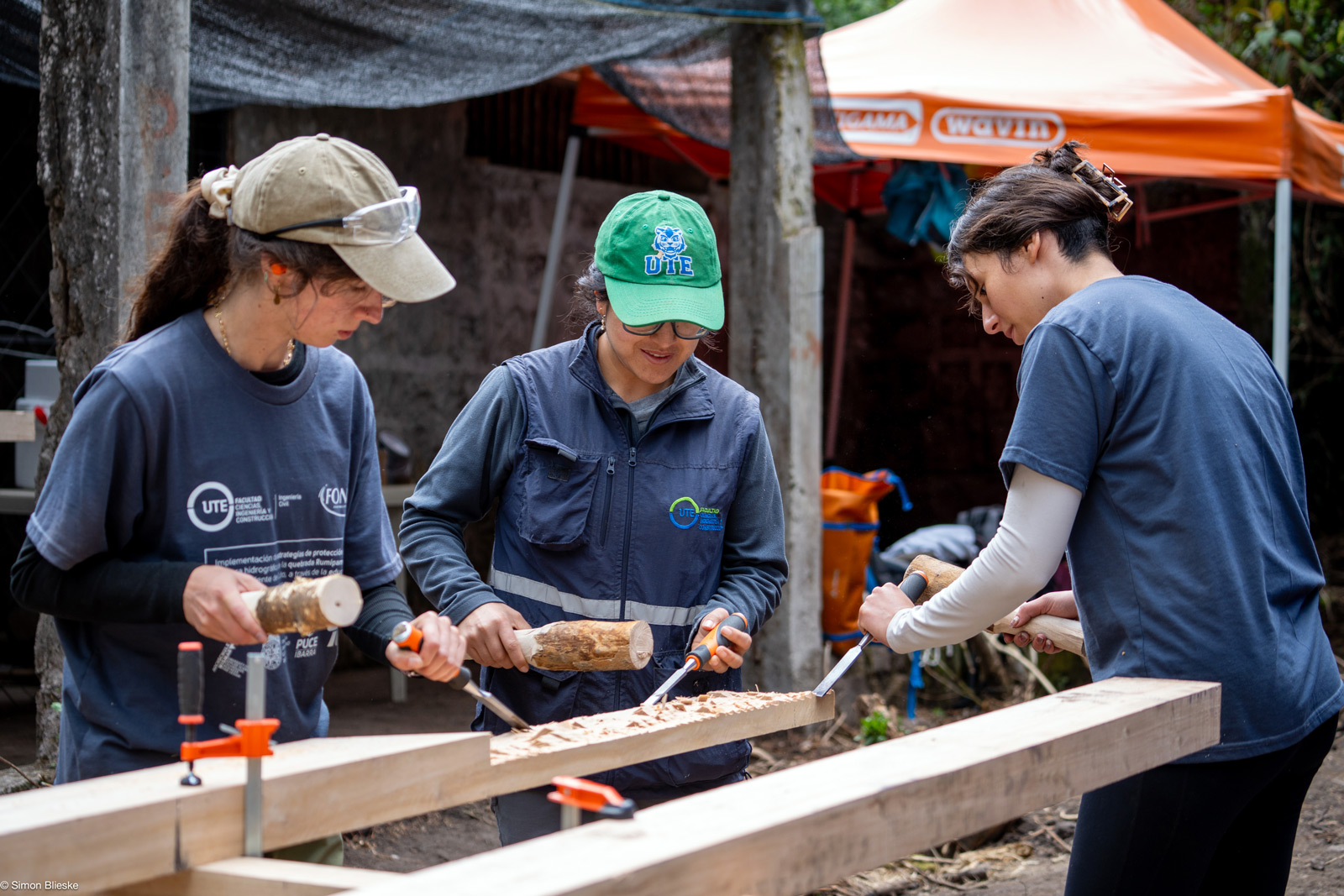
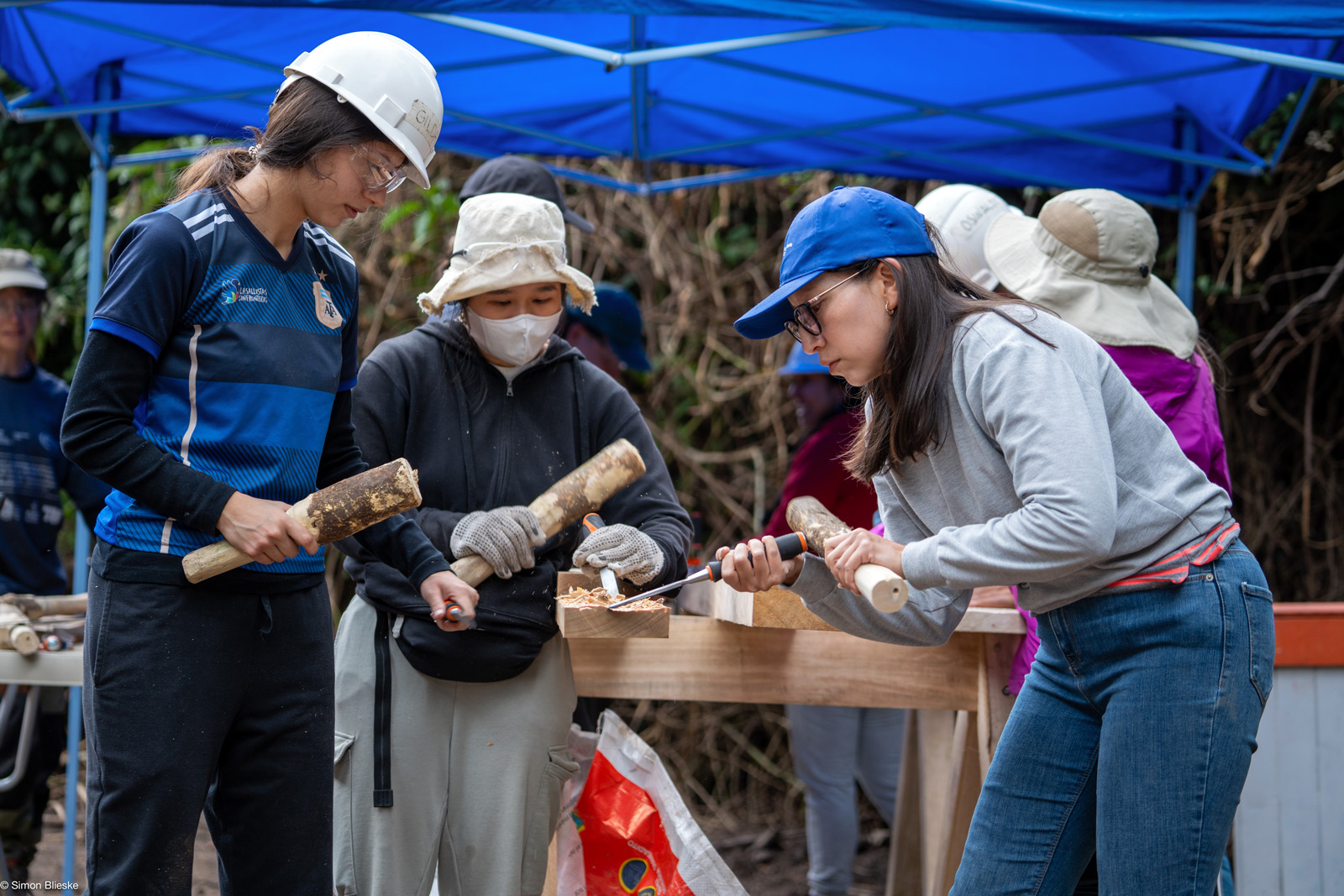
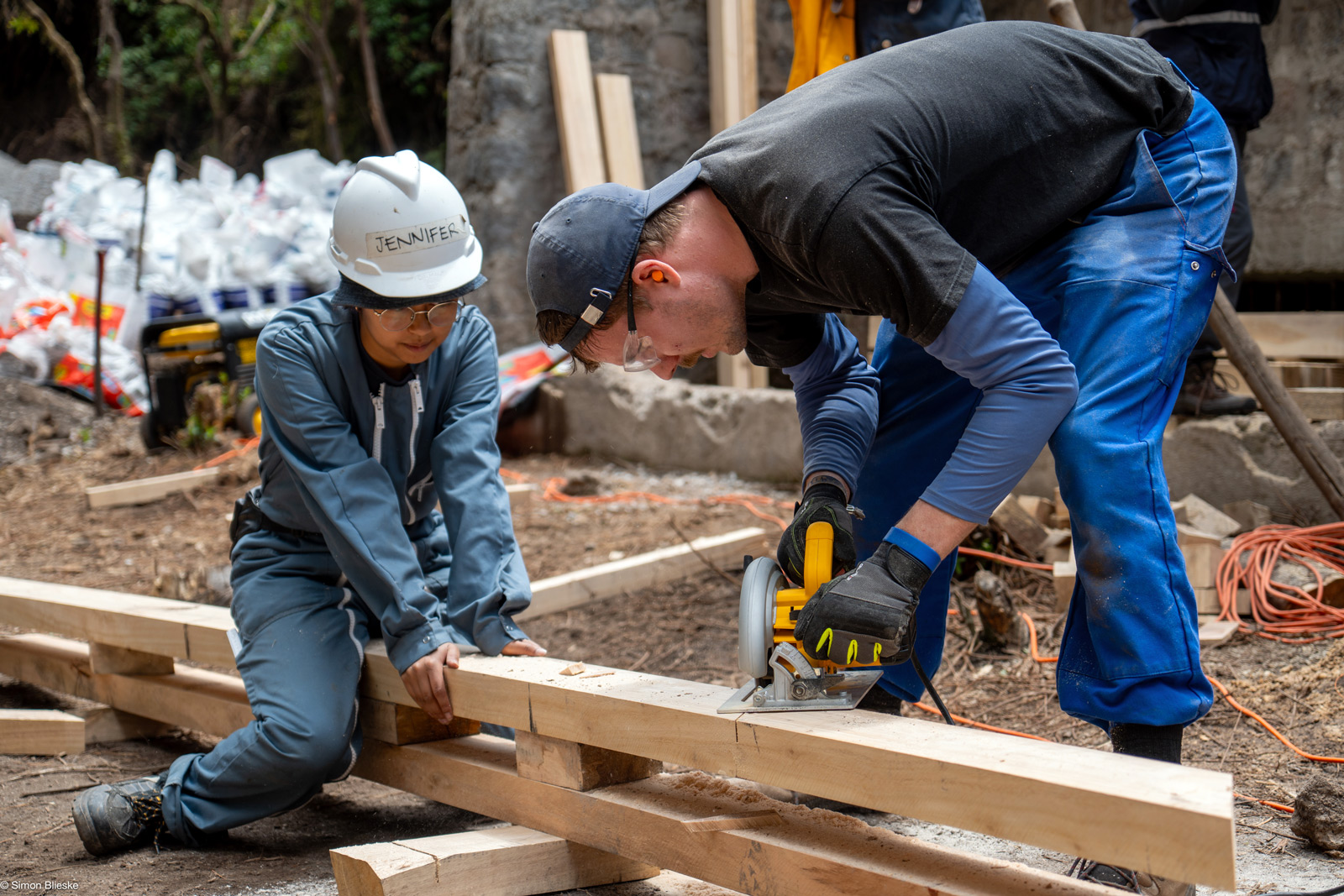
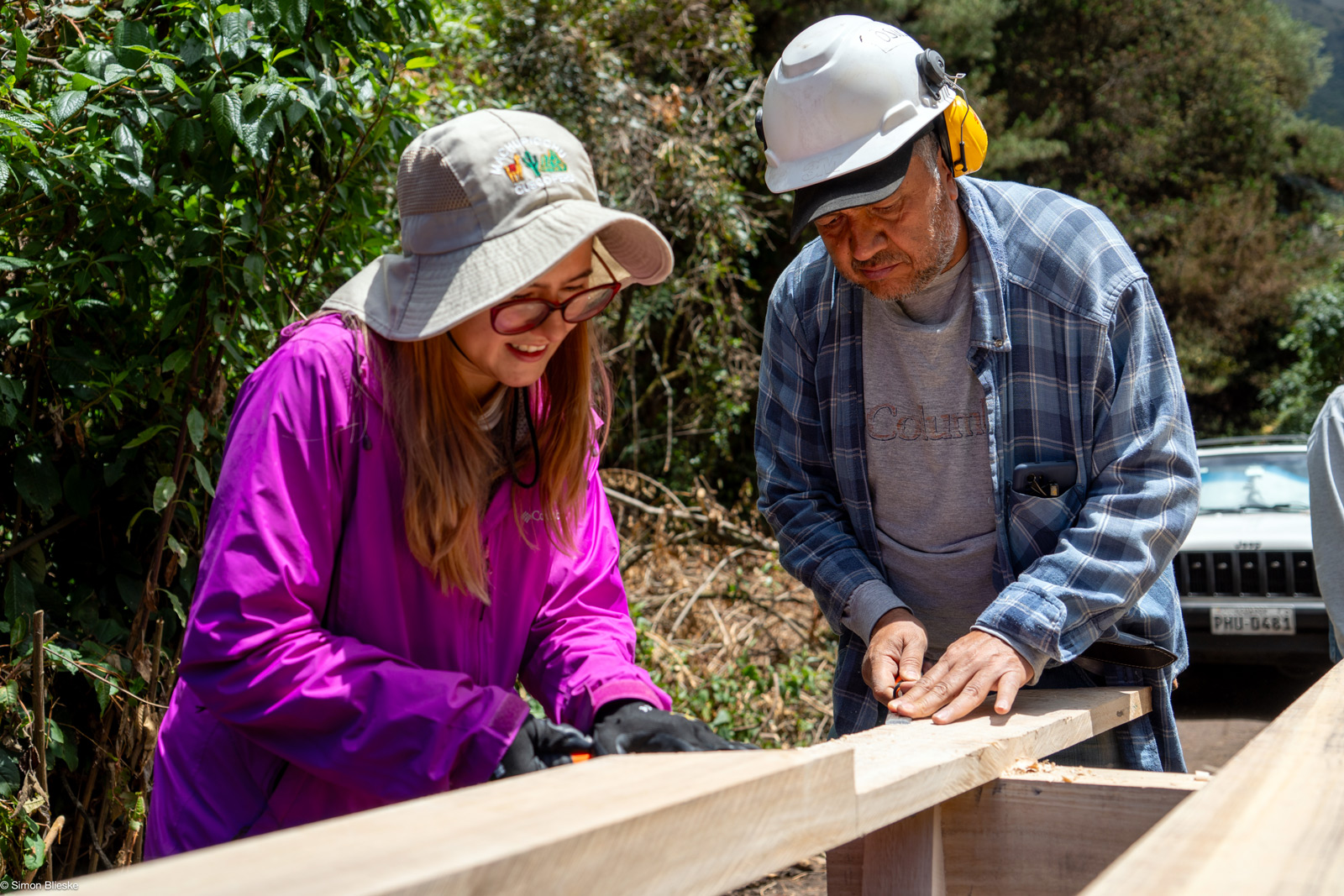
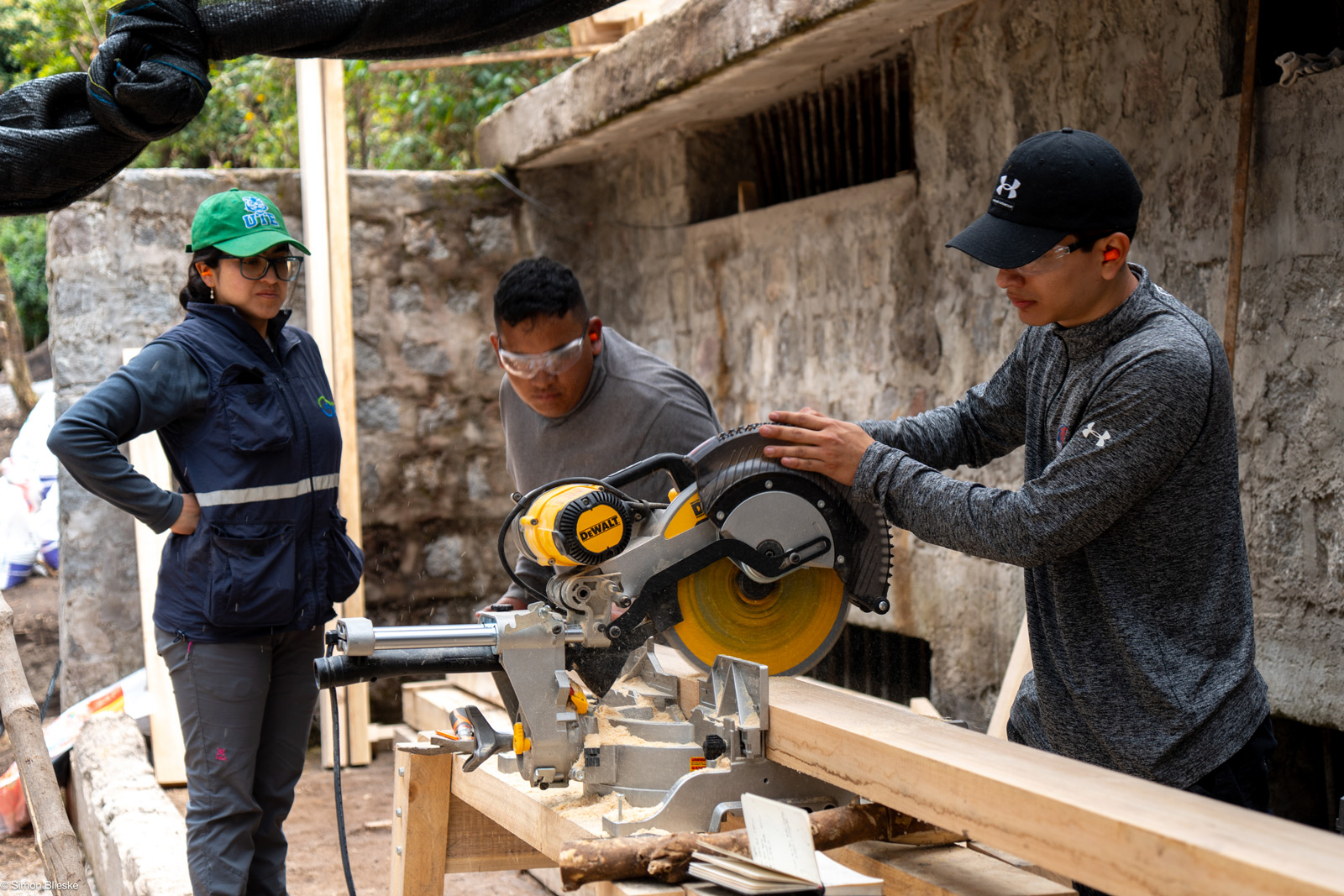
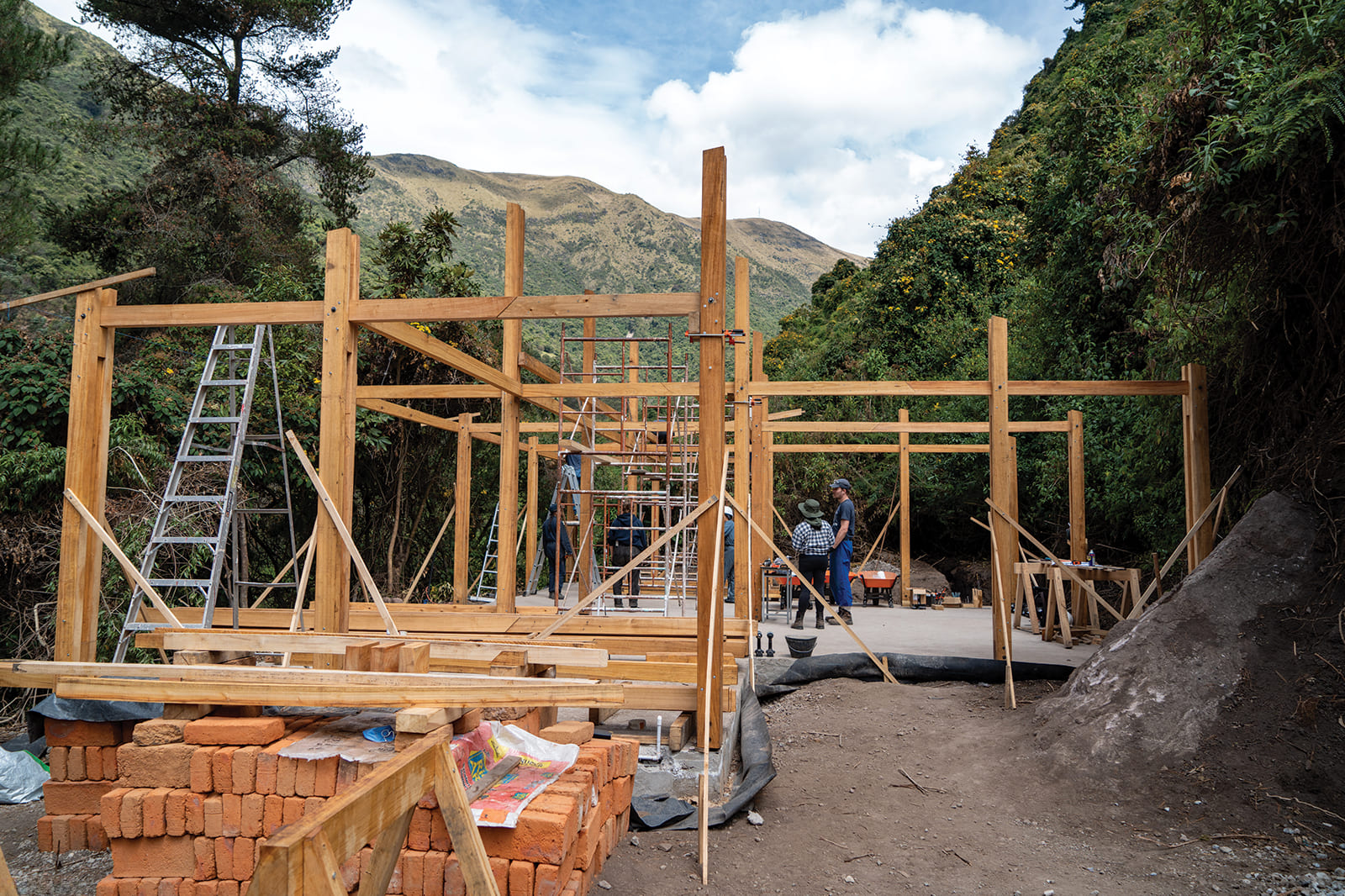
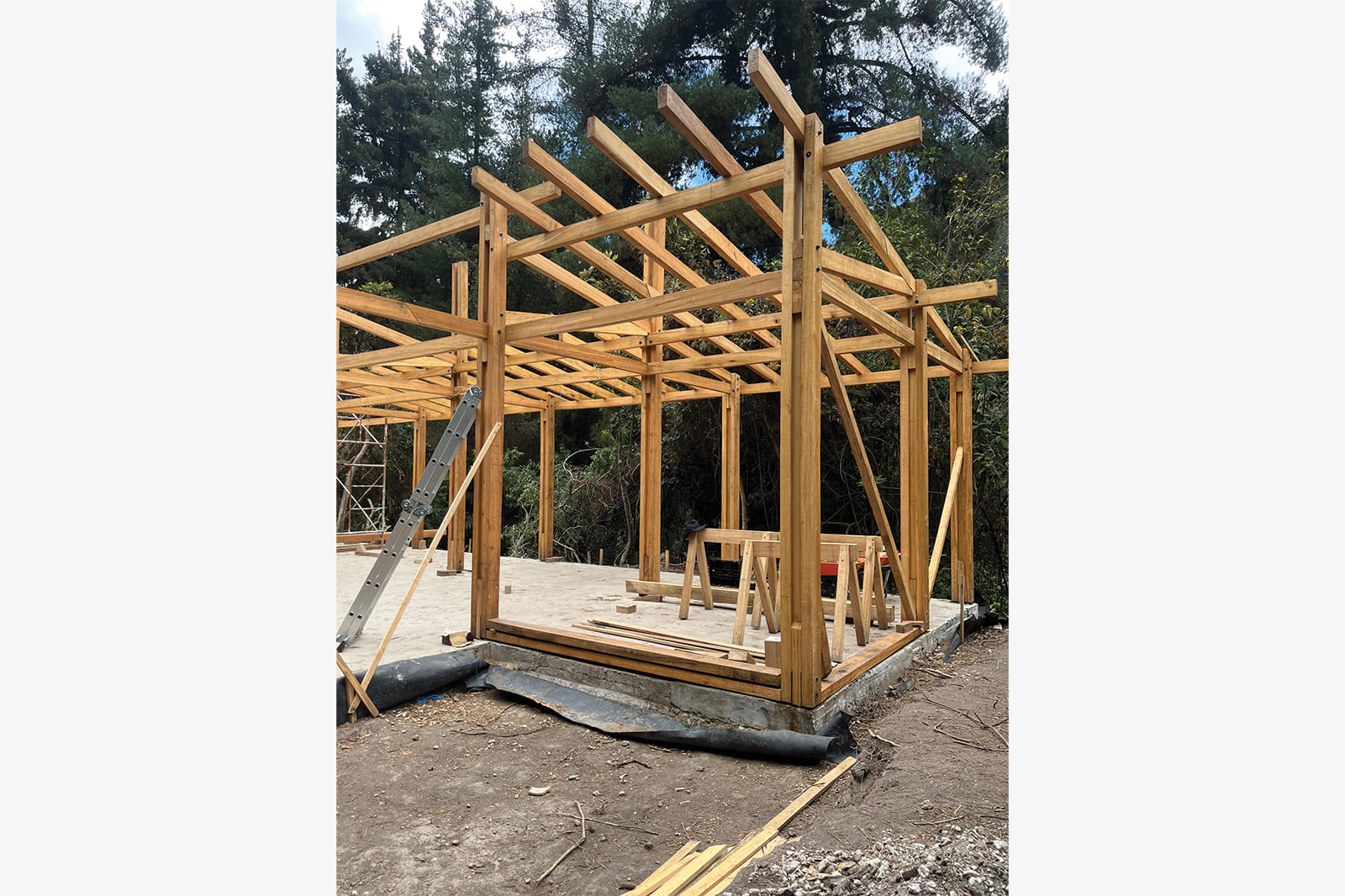
This stage of the project marked the start of construction work. Wood was processed and the first steps were taken in erecting the structure of the station, reflecting a collective and collaborative effort.


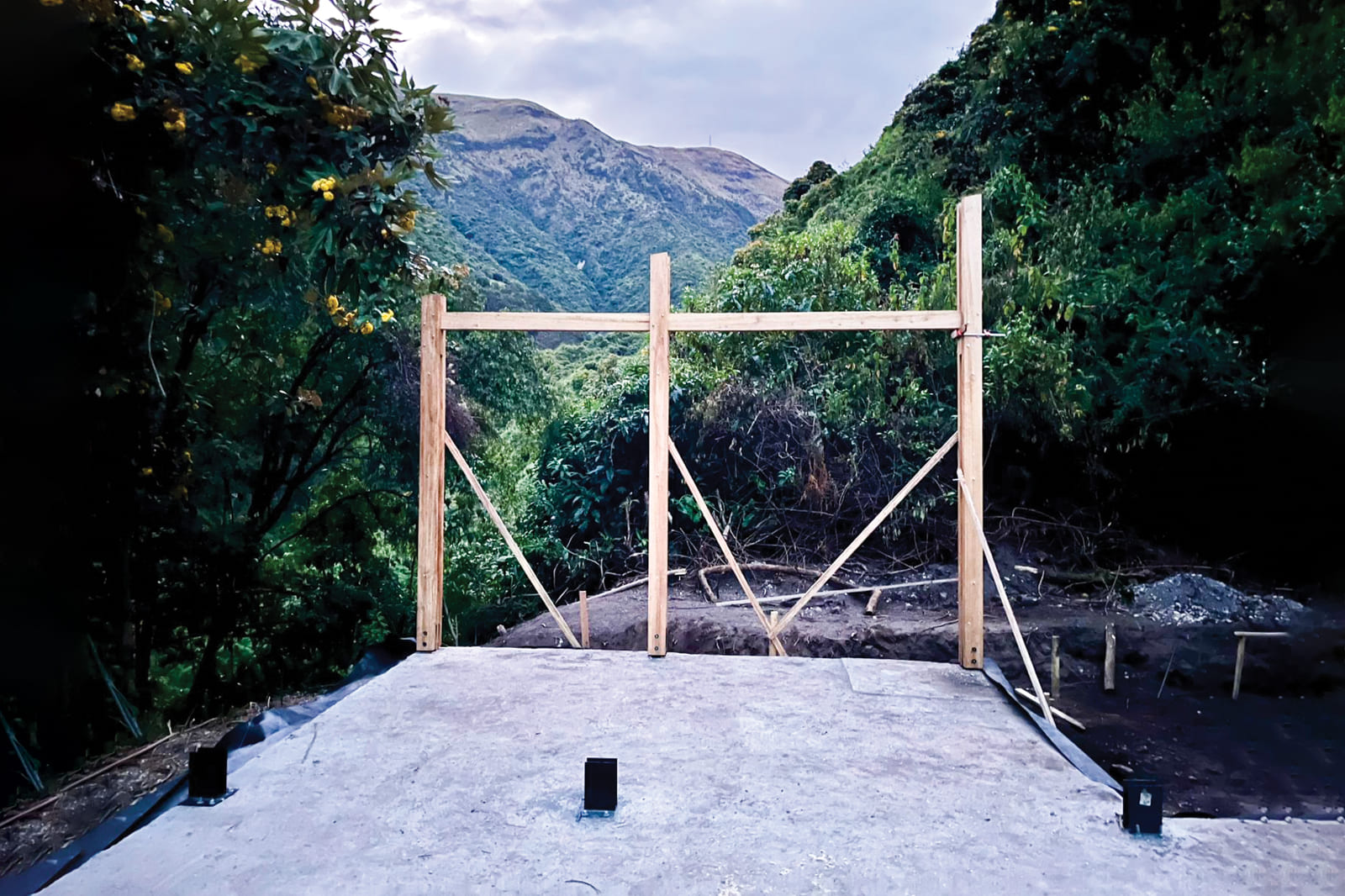
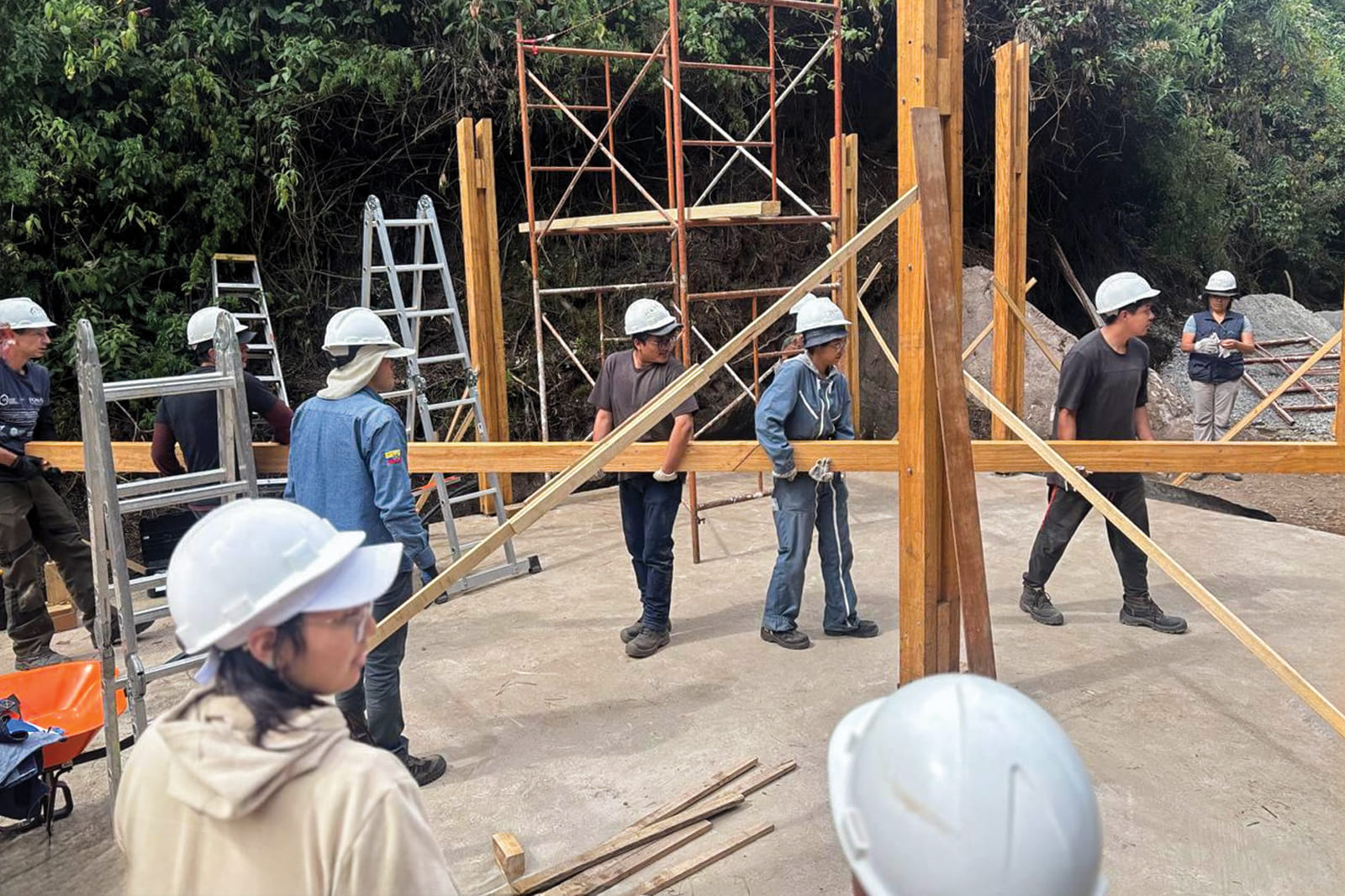
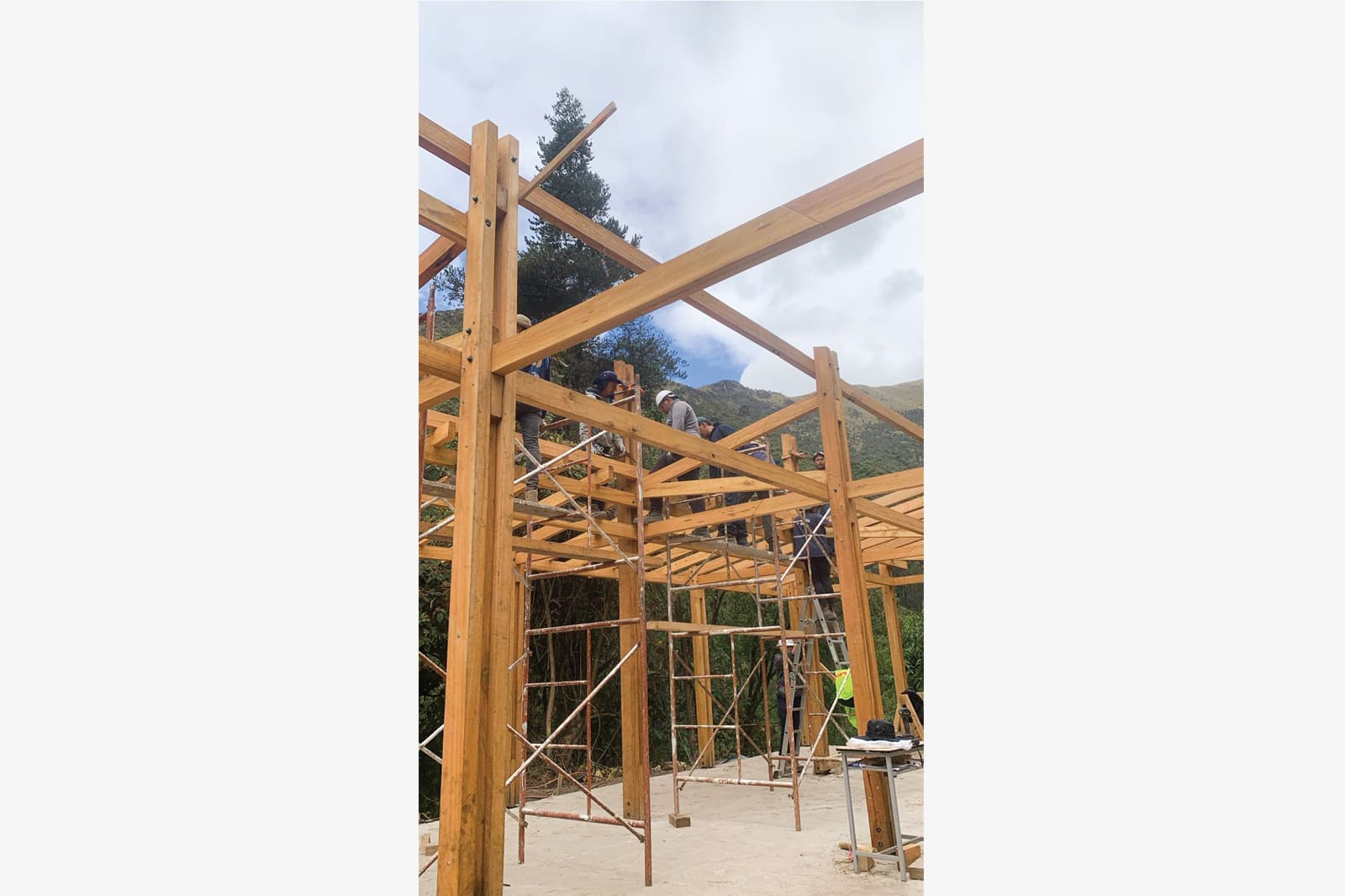
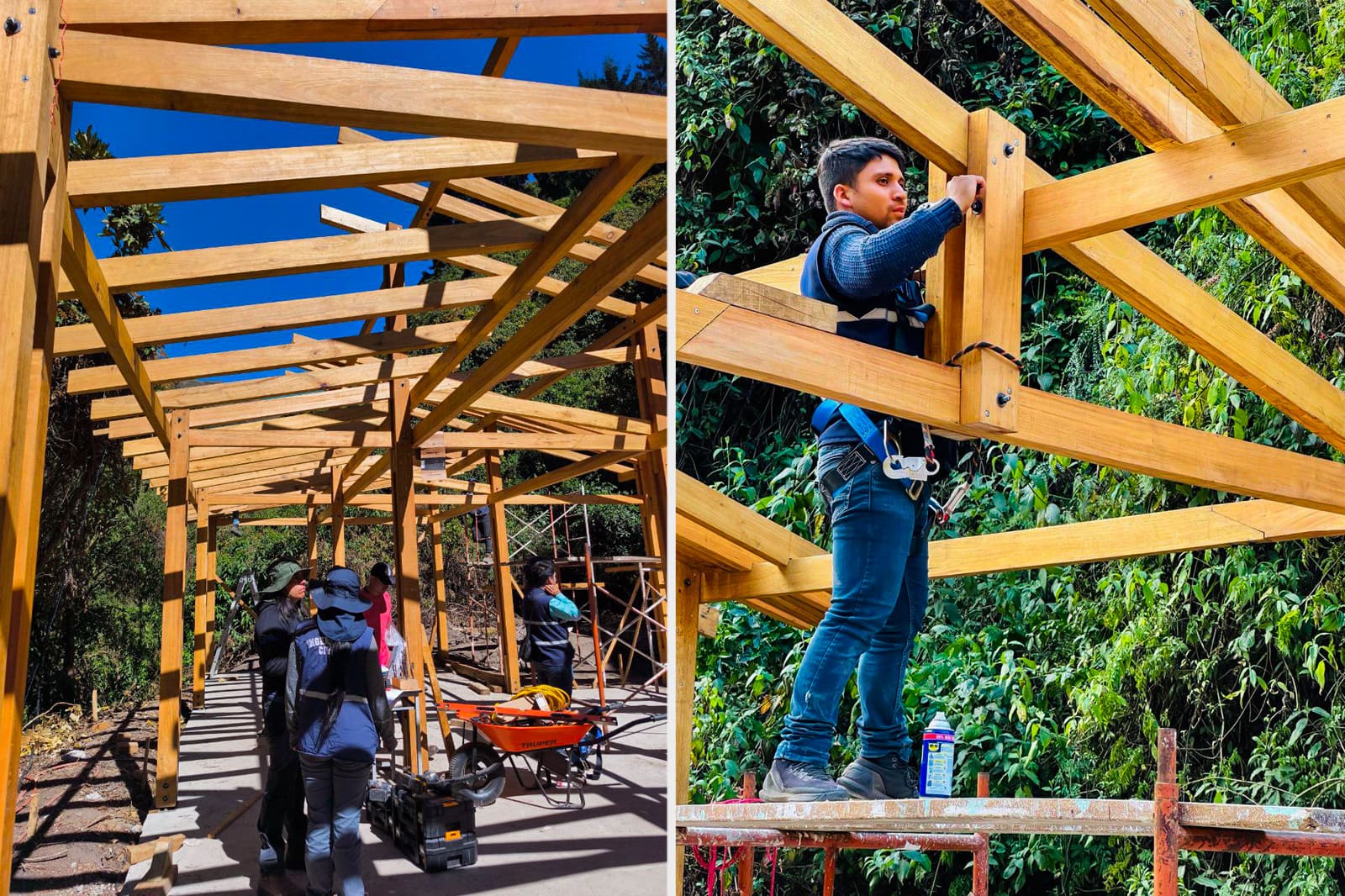
We carried out sanding, painting, and assembled the beams and columns. We also completed the alignment axes, made the necessary cuts, and installed the rafters, making significant progress on the structure.
Roofing System


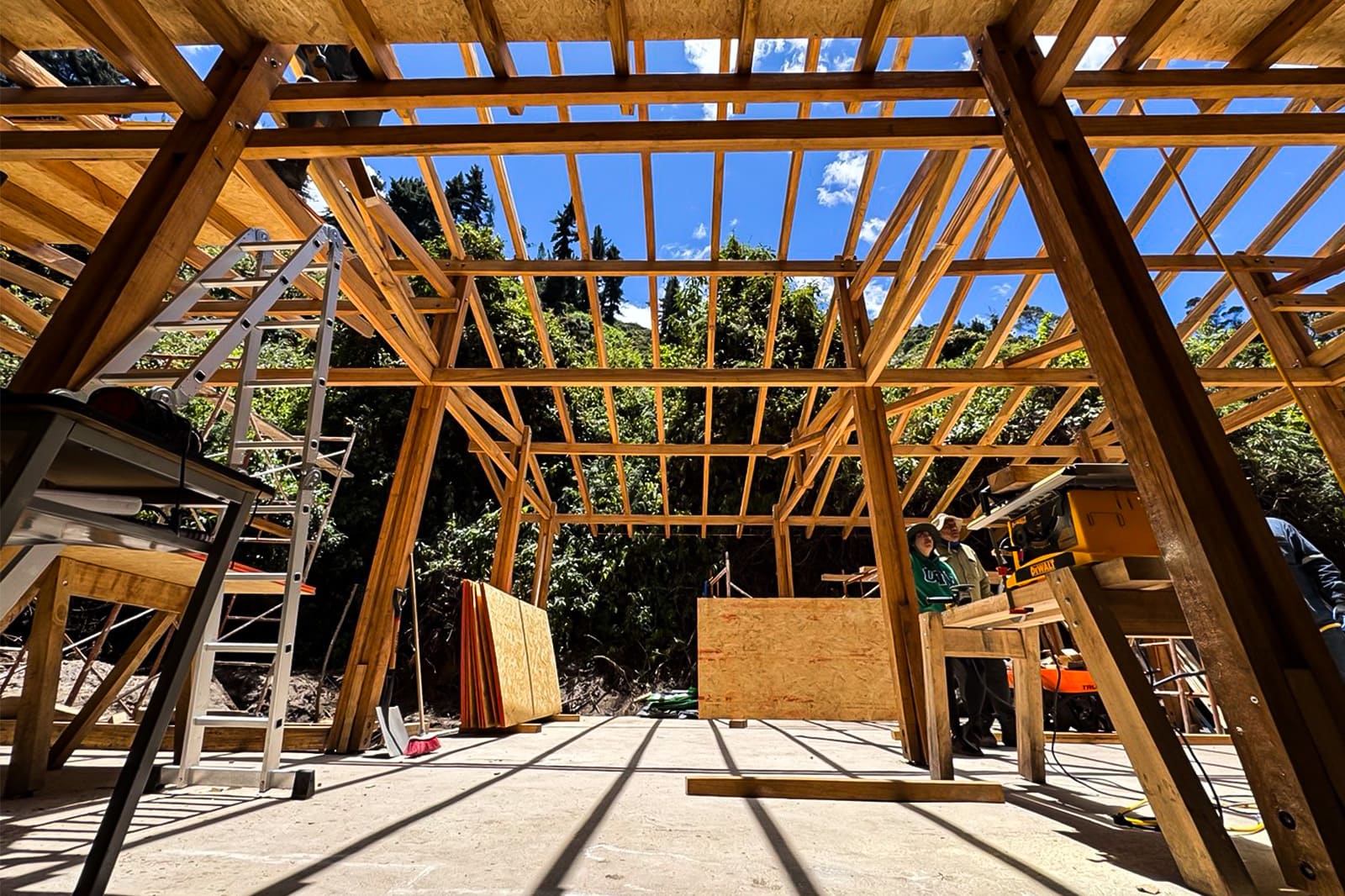
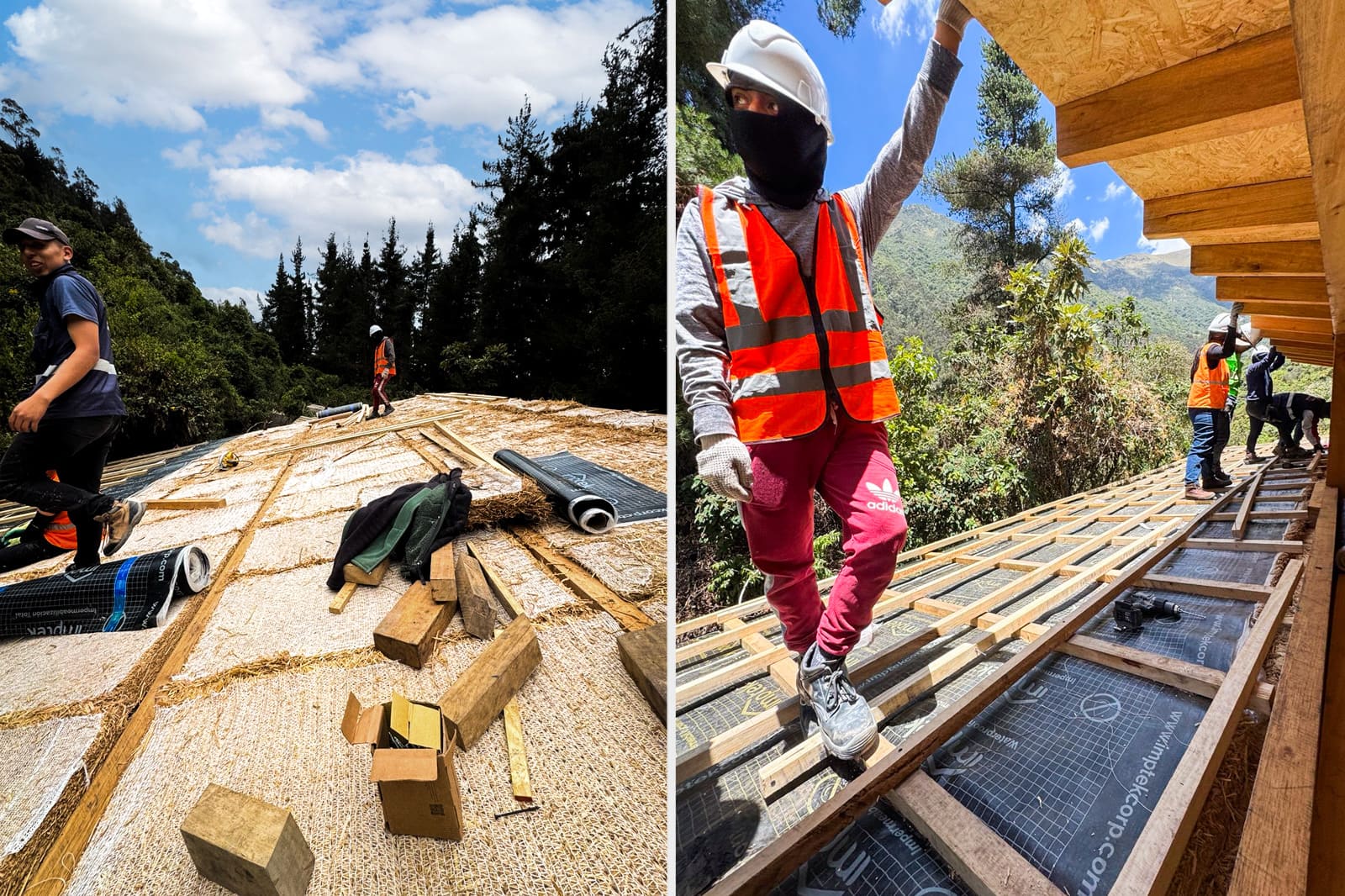
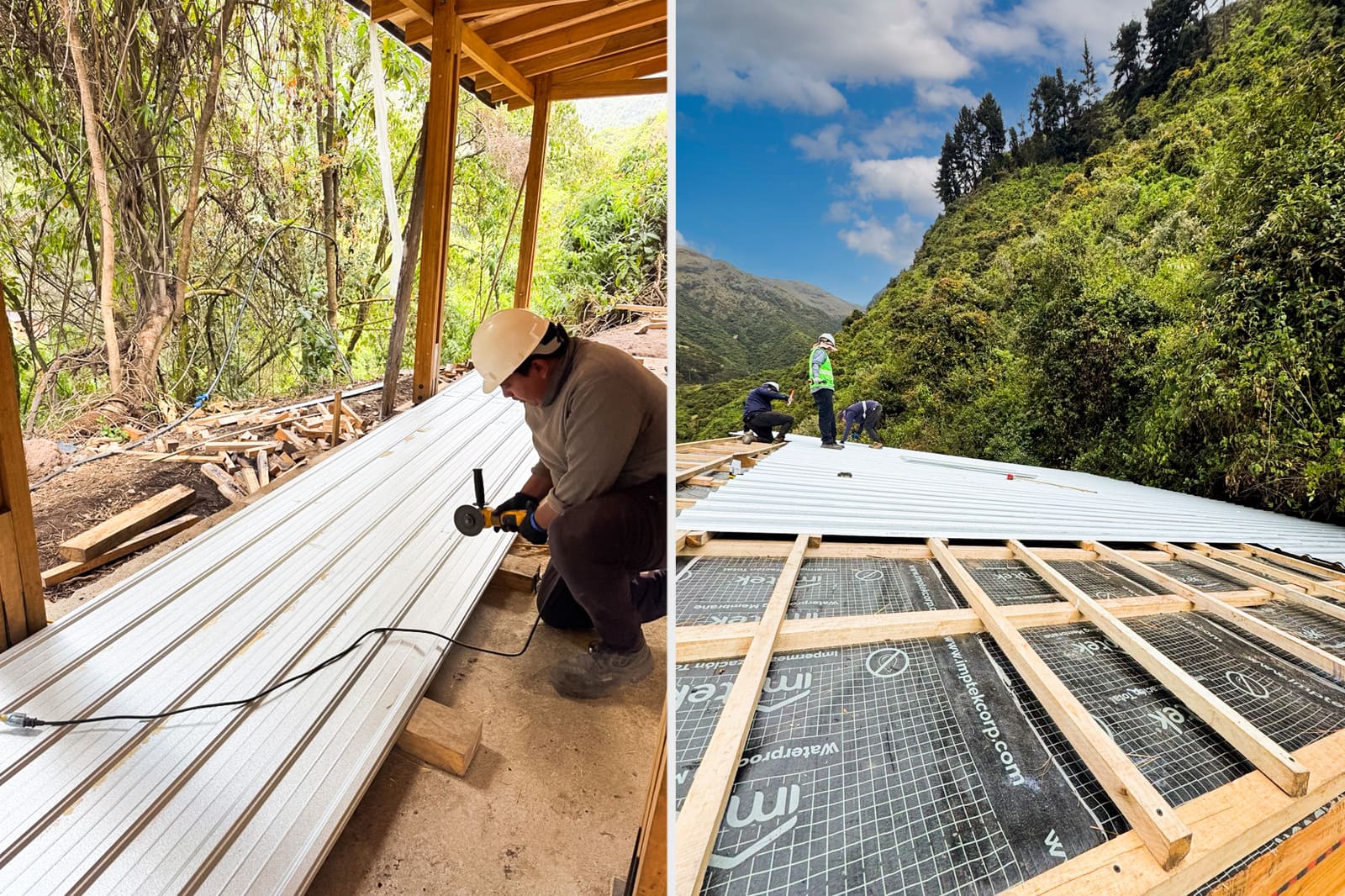
The roofing system was executed through the structural arrangement of primary beams and secondary joists forming the load-bearing framework. Over this structure, vegetal fiber was placed as natural acoustic insulation, followed by waterproofing sheets and rigid panels for stiffening and finishing. This multilayer system optimizes thermal performance and protection against weather exposure, integrating traditional and contemporary materials into an efficient constructive solution.
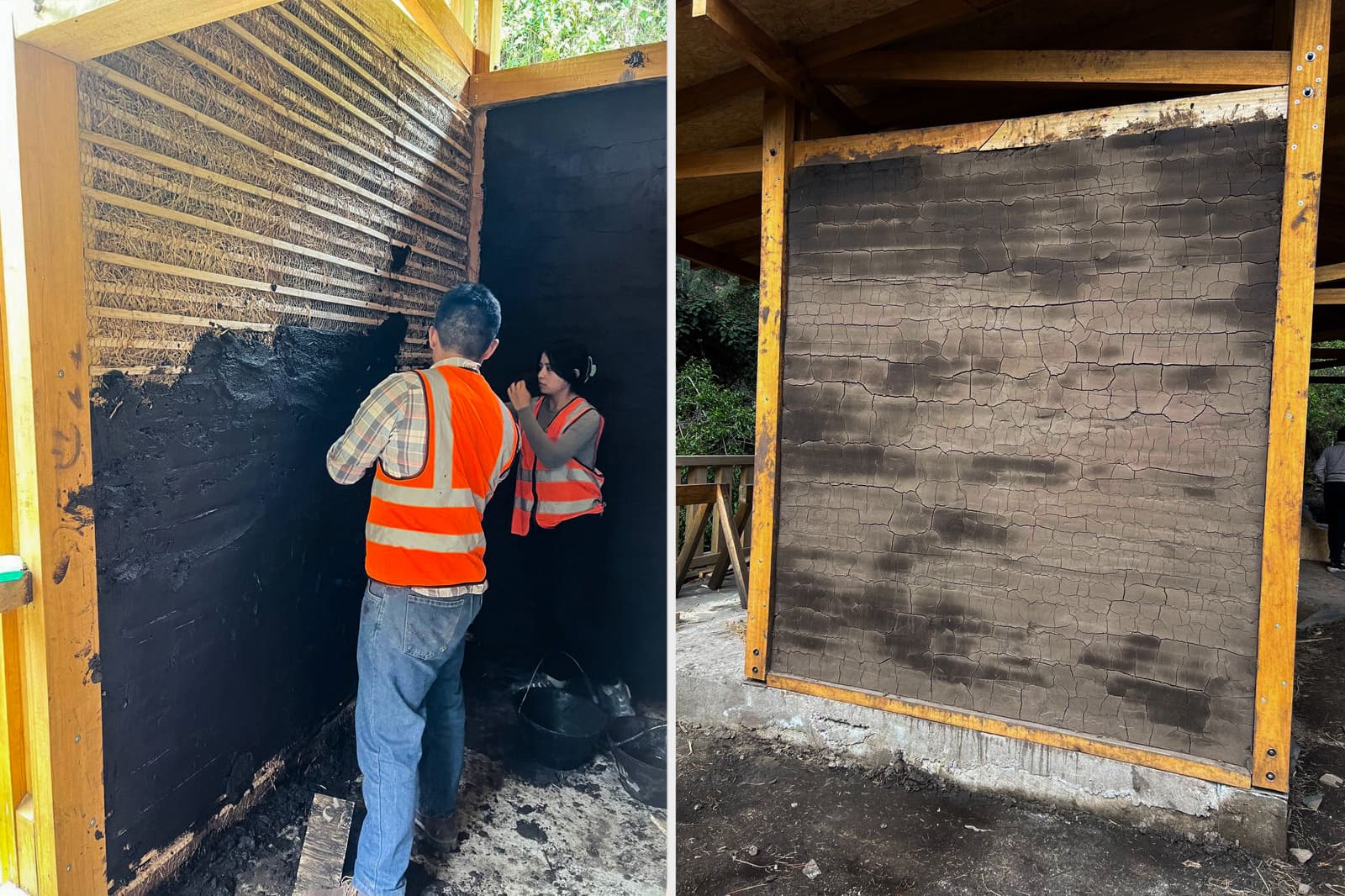
Bahareque


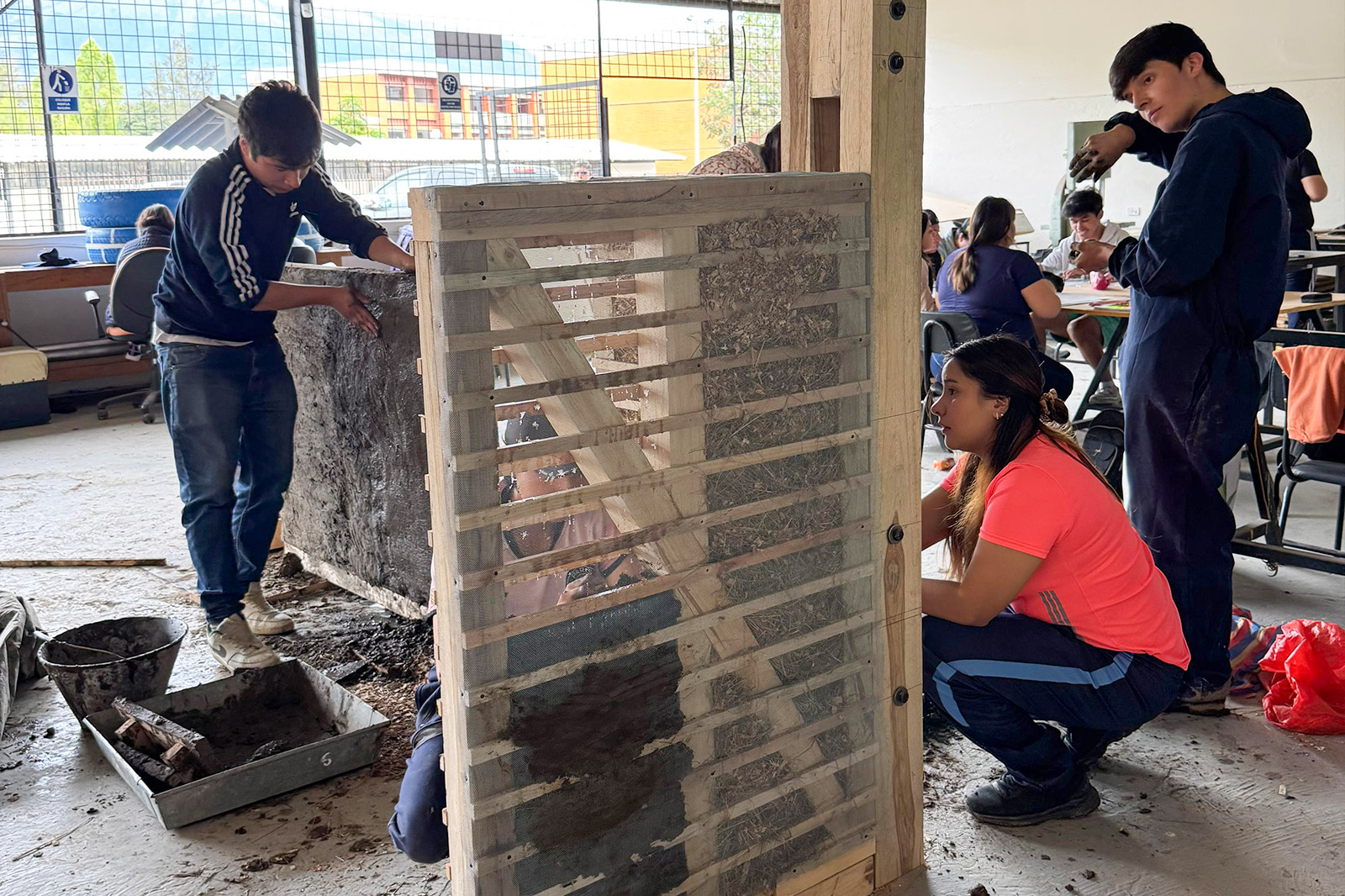
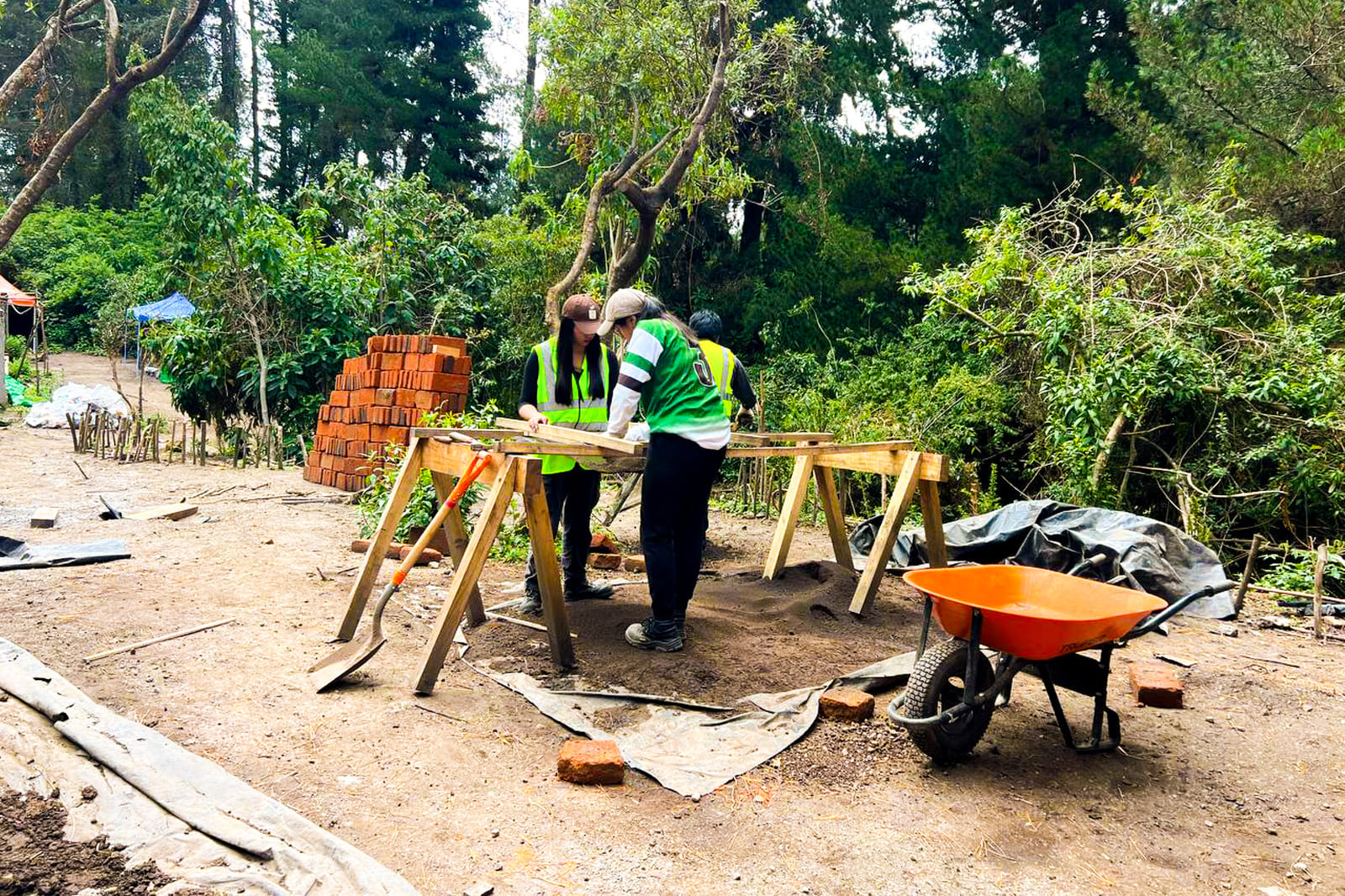
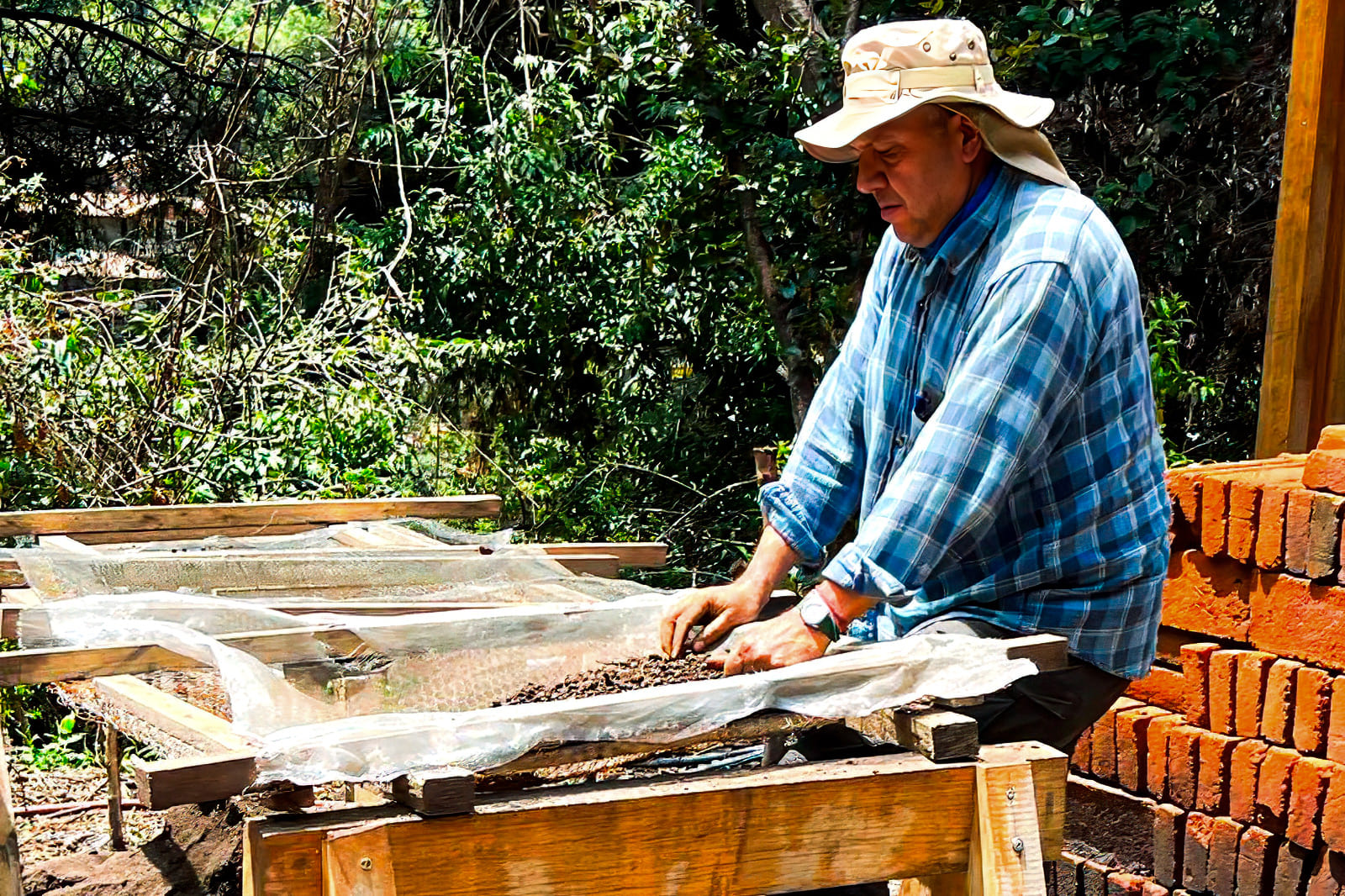
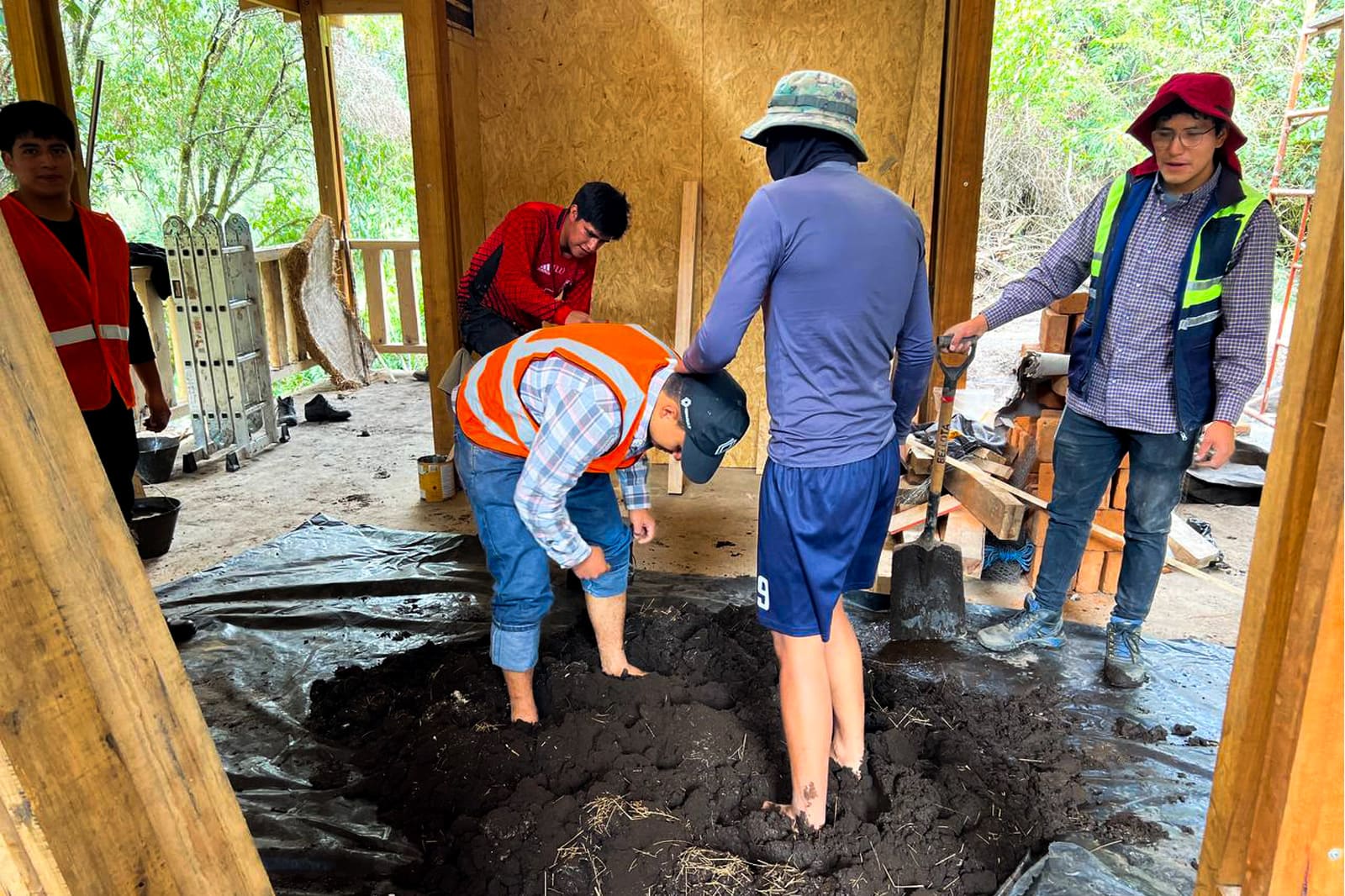
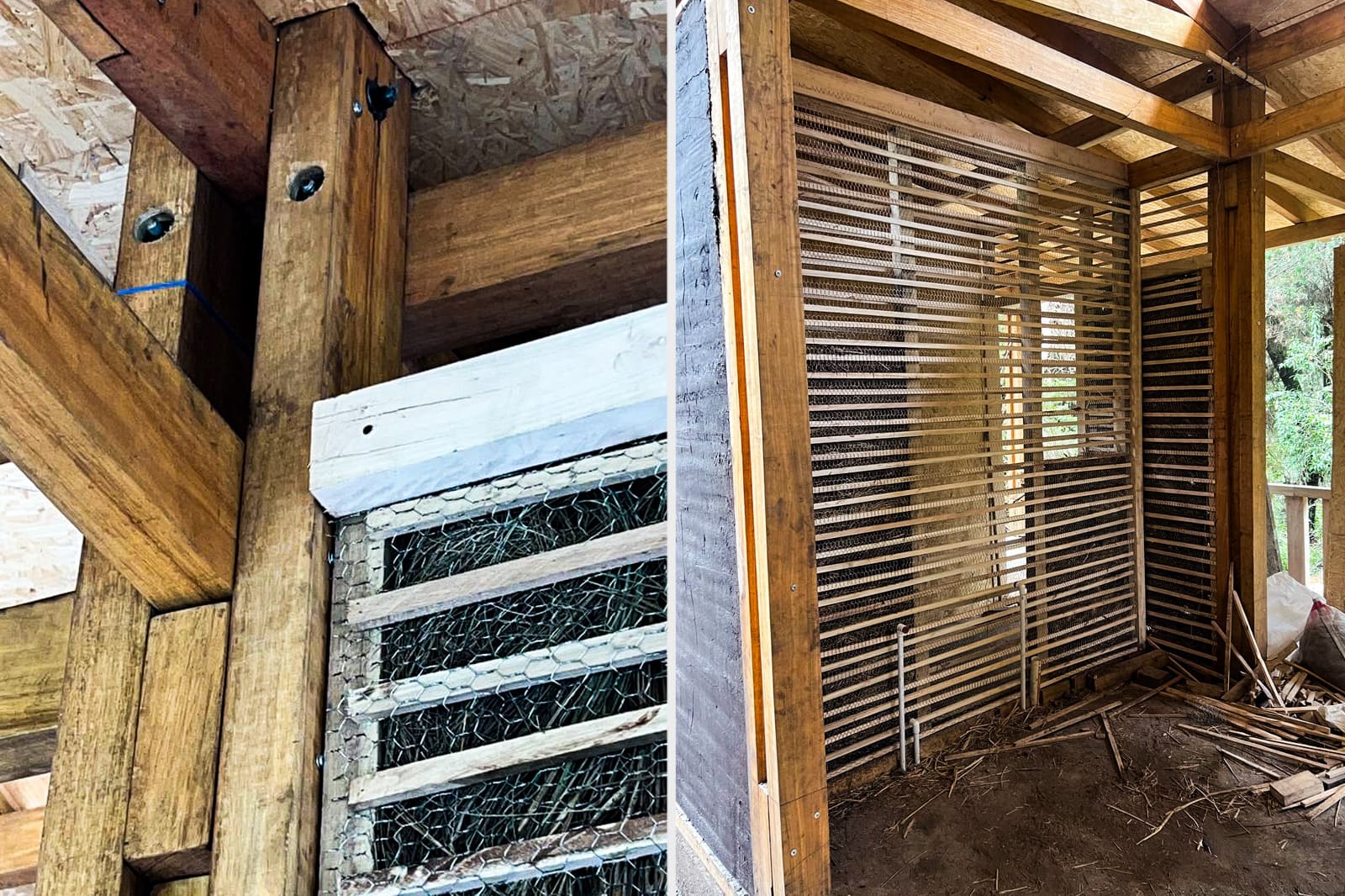
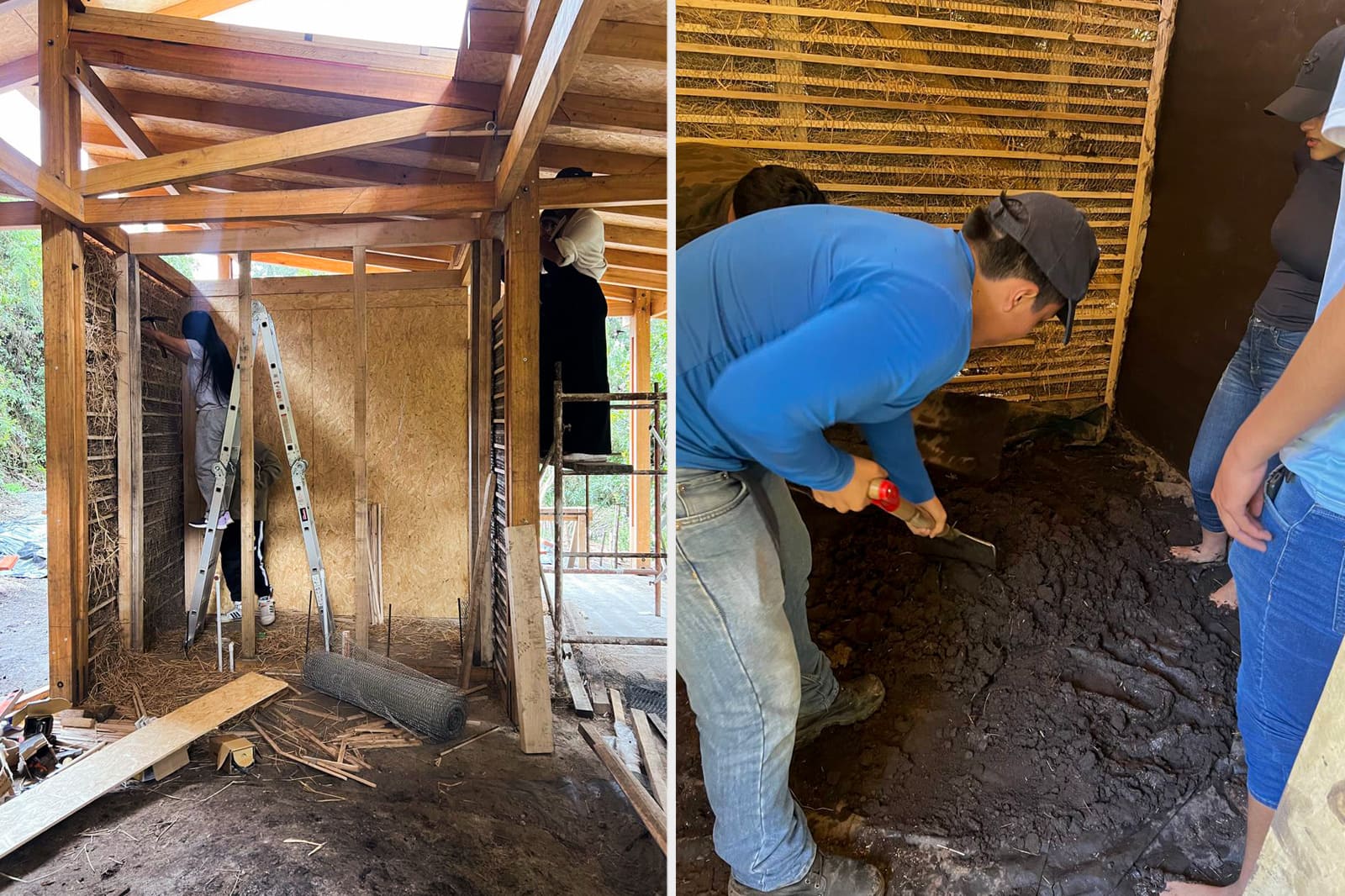
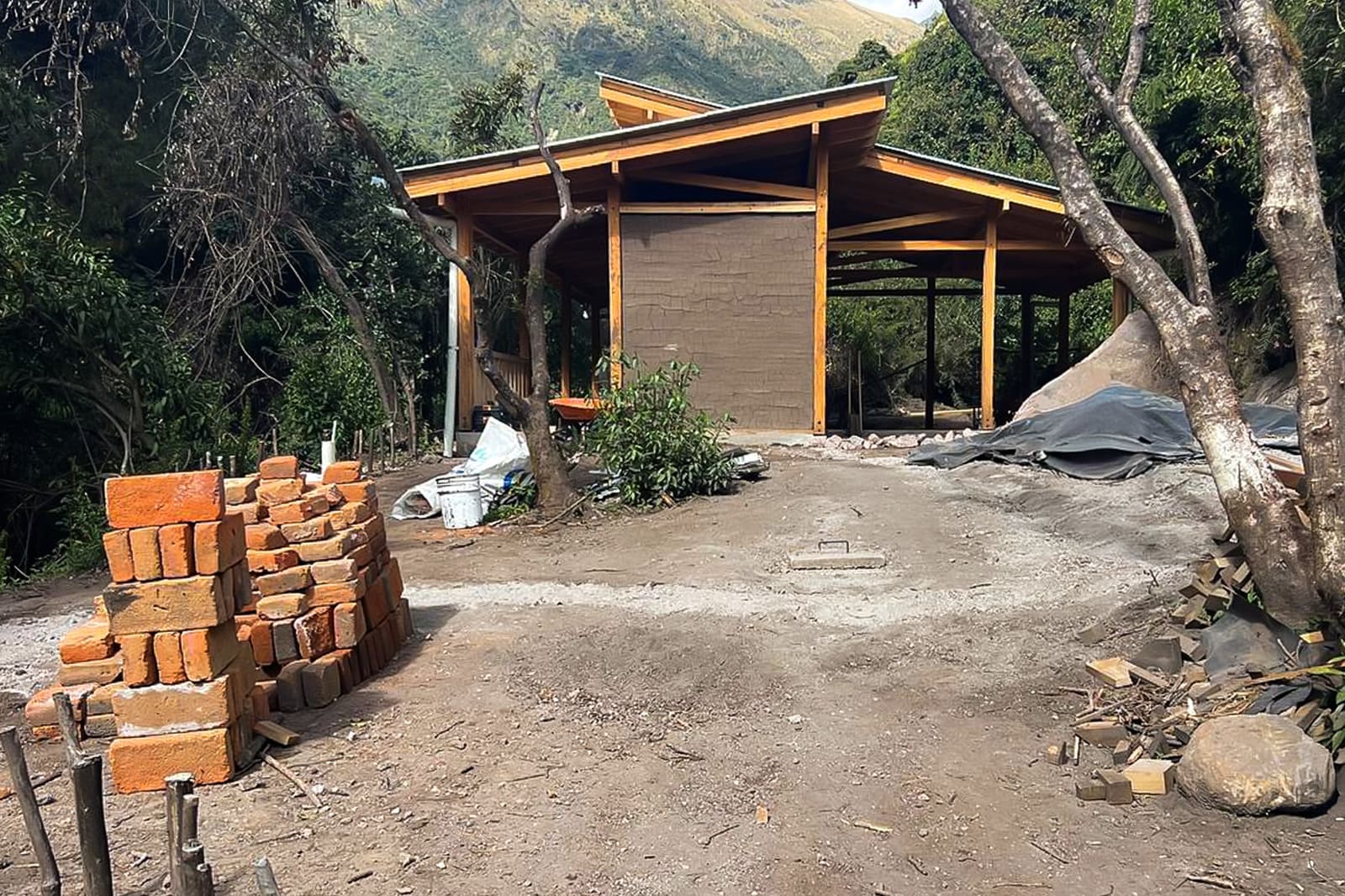
The bahareque walls were constructed by assembling a timber load-bearing structure (vertical frame with primary diagonal bracing), onto which a secondary framework (horizontally arranged wooden laths) was fixed to support the infill: vegetal weaving (straw or cane). A metal mesh was installed on both faces of the wall. The clayey soil mixed with vegetal fibers was previously homogenized by manual trampling until adequate plasticity and cohesion were achieved, and then applied onto the mesh. Finally, the wall was plumbed to ensure geometric stability, constituting a sustainable construction solution with low environmental impact and high thermal inertia.
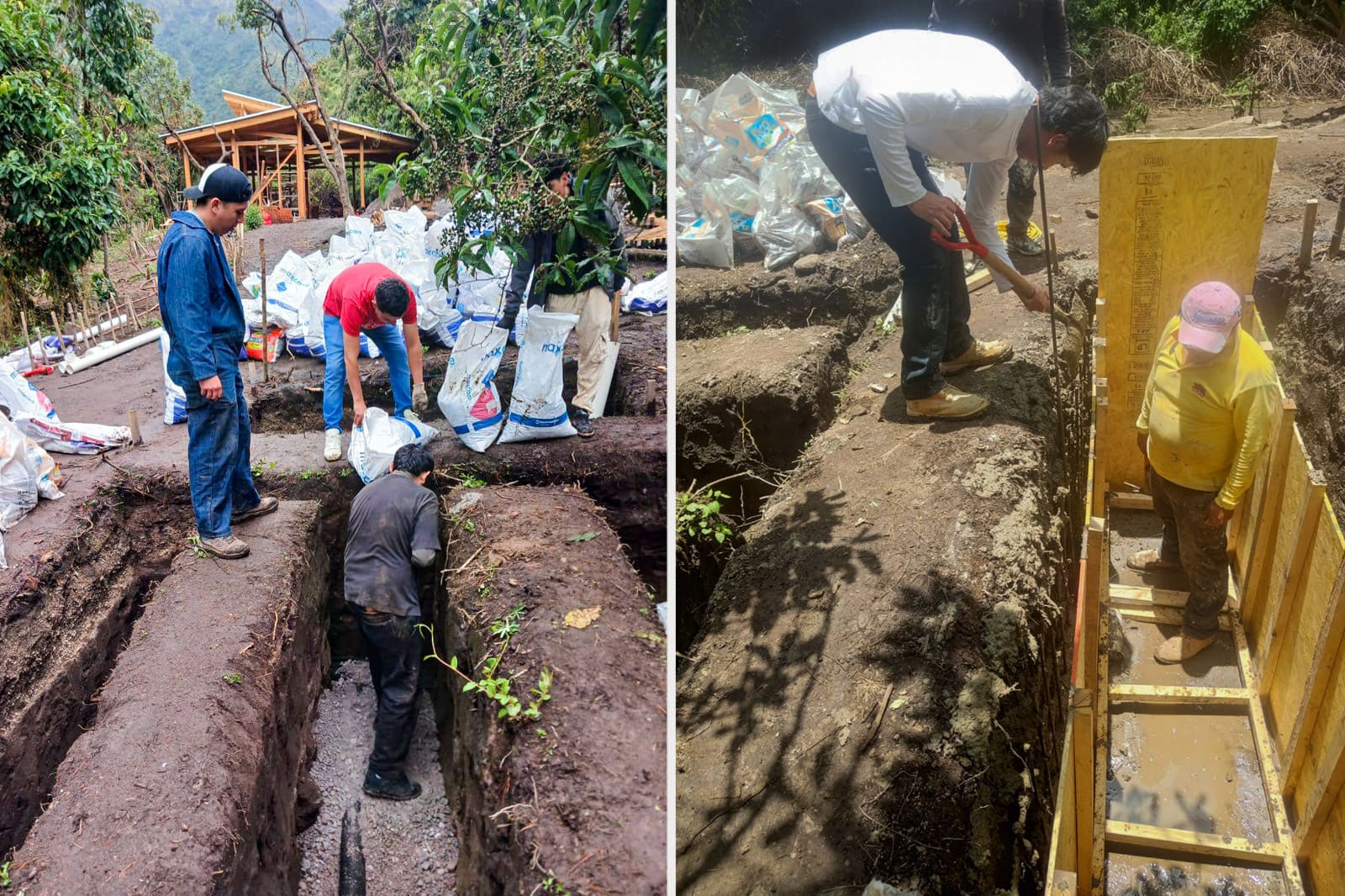
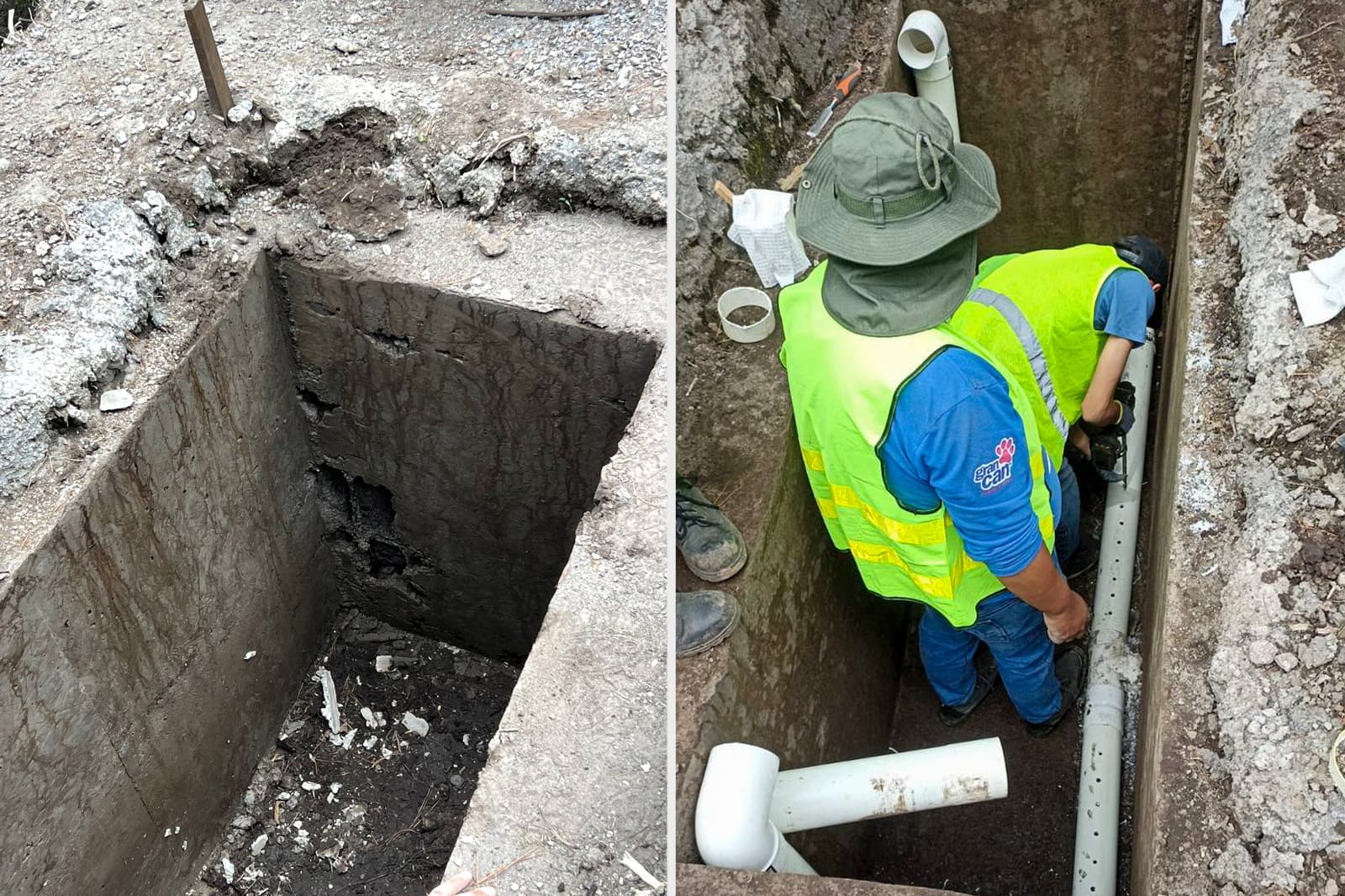
Vermifilter and Outdoor Areas


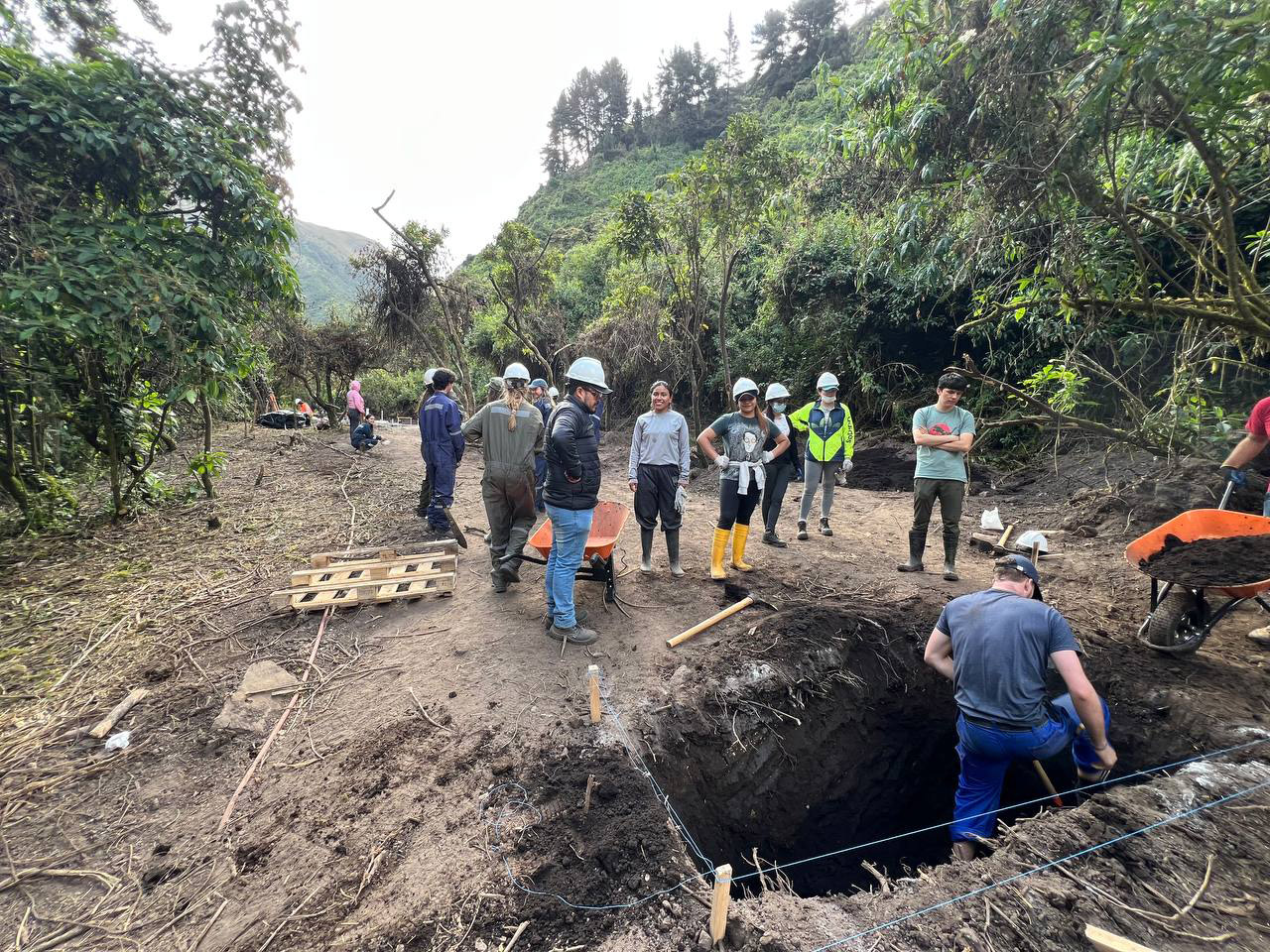
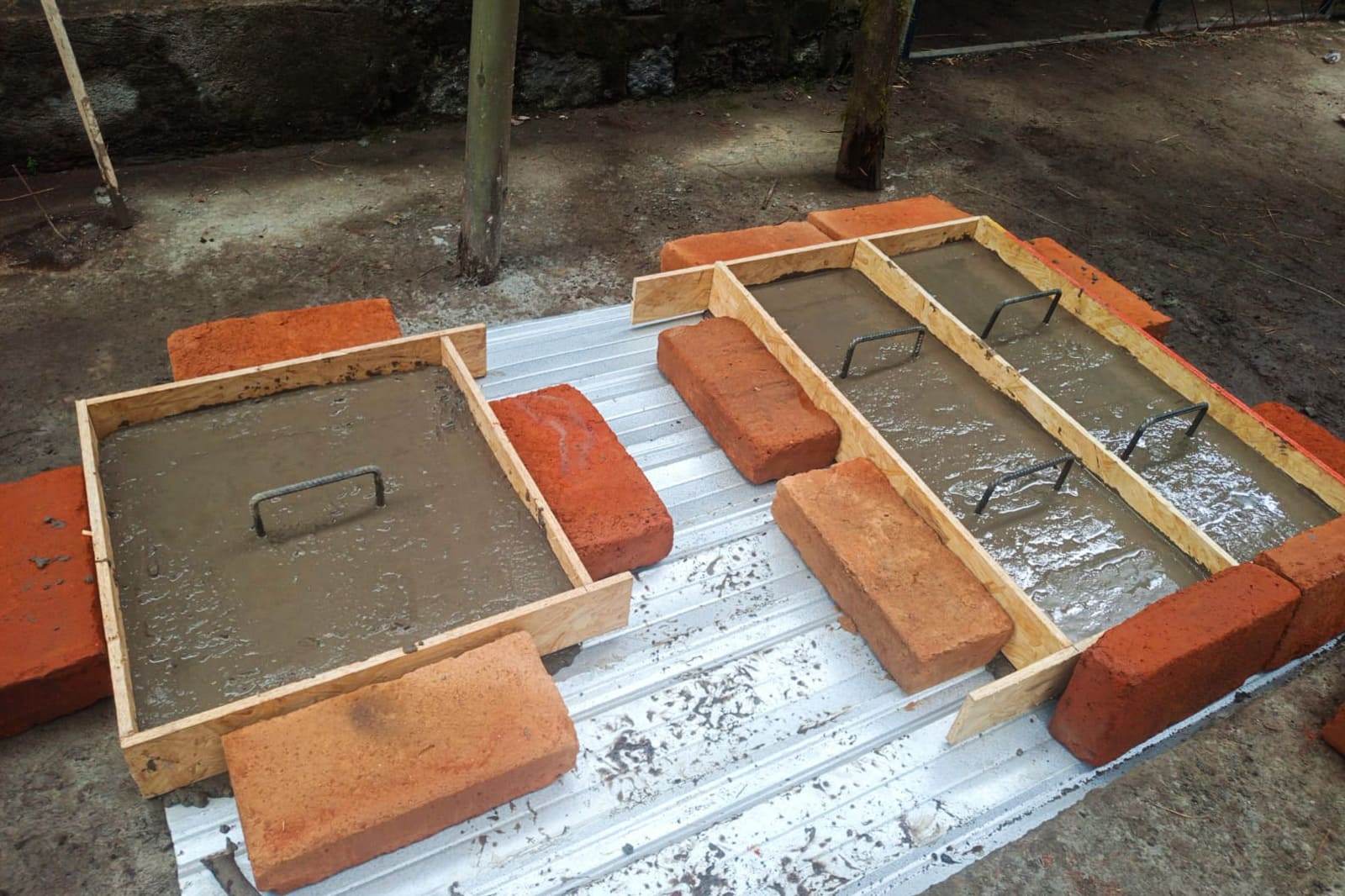
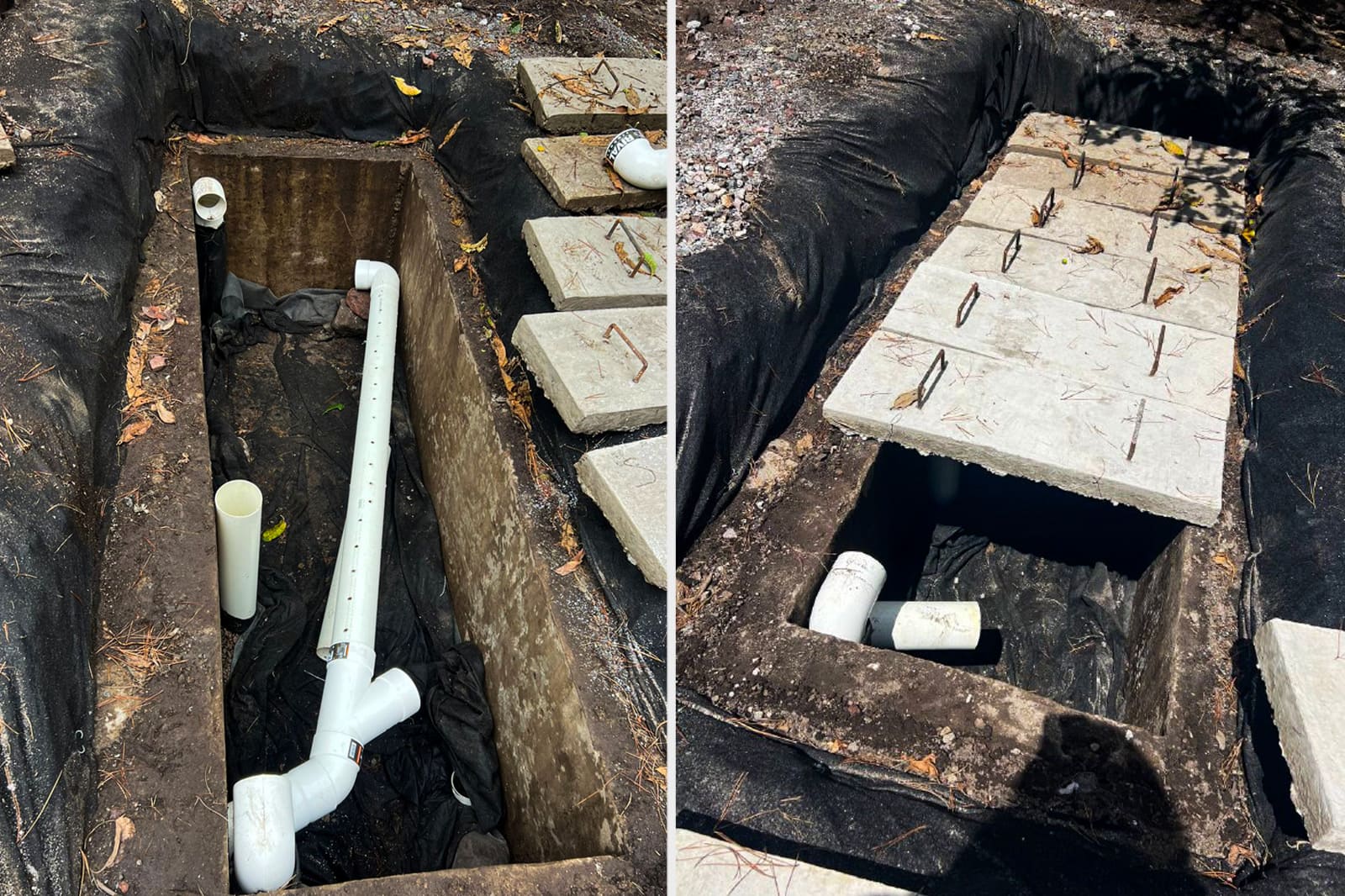
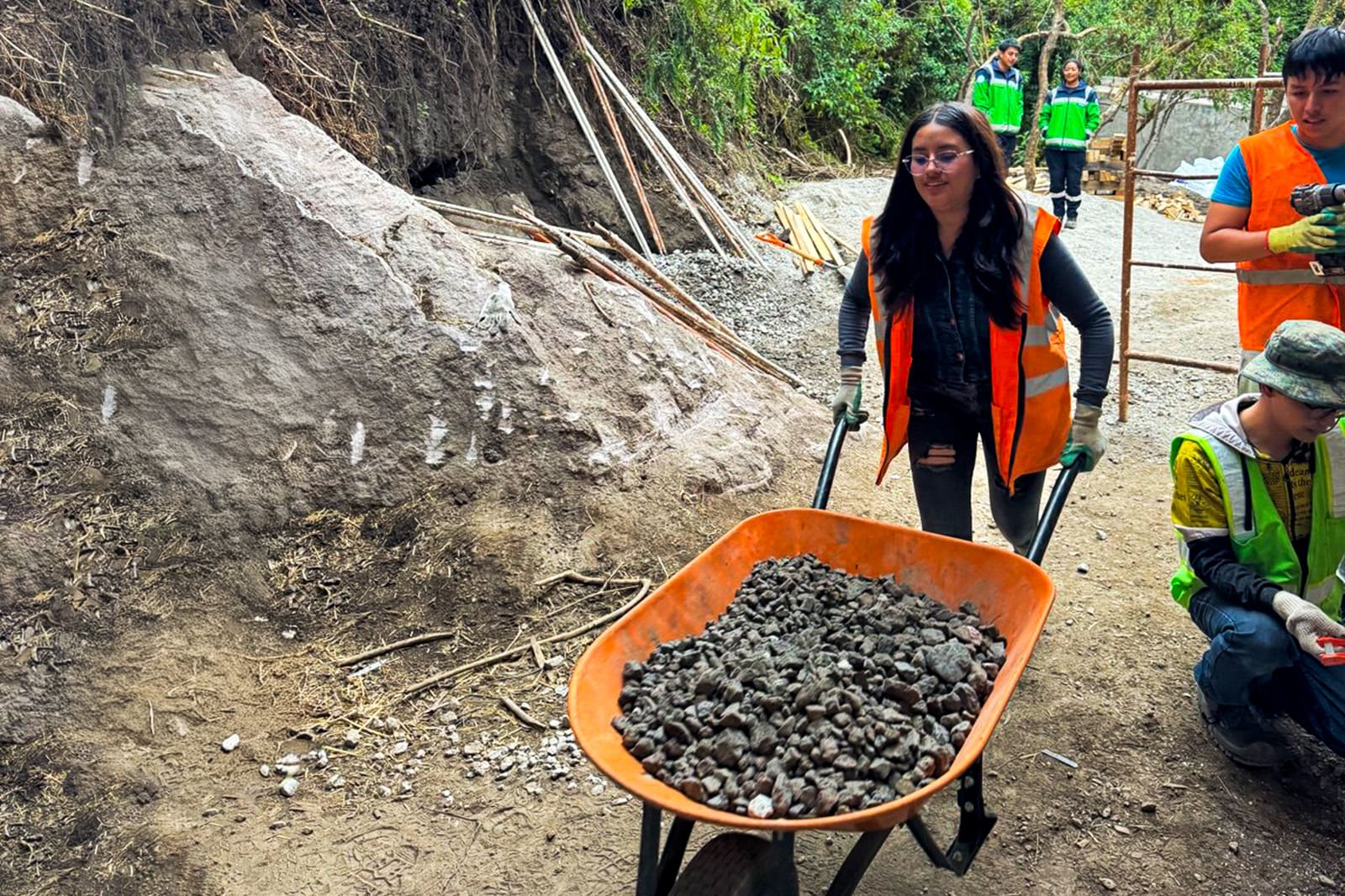
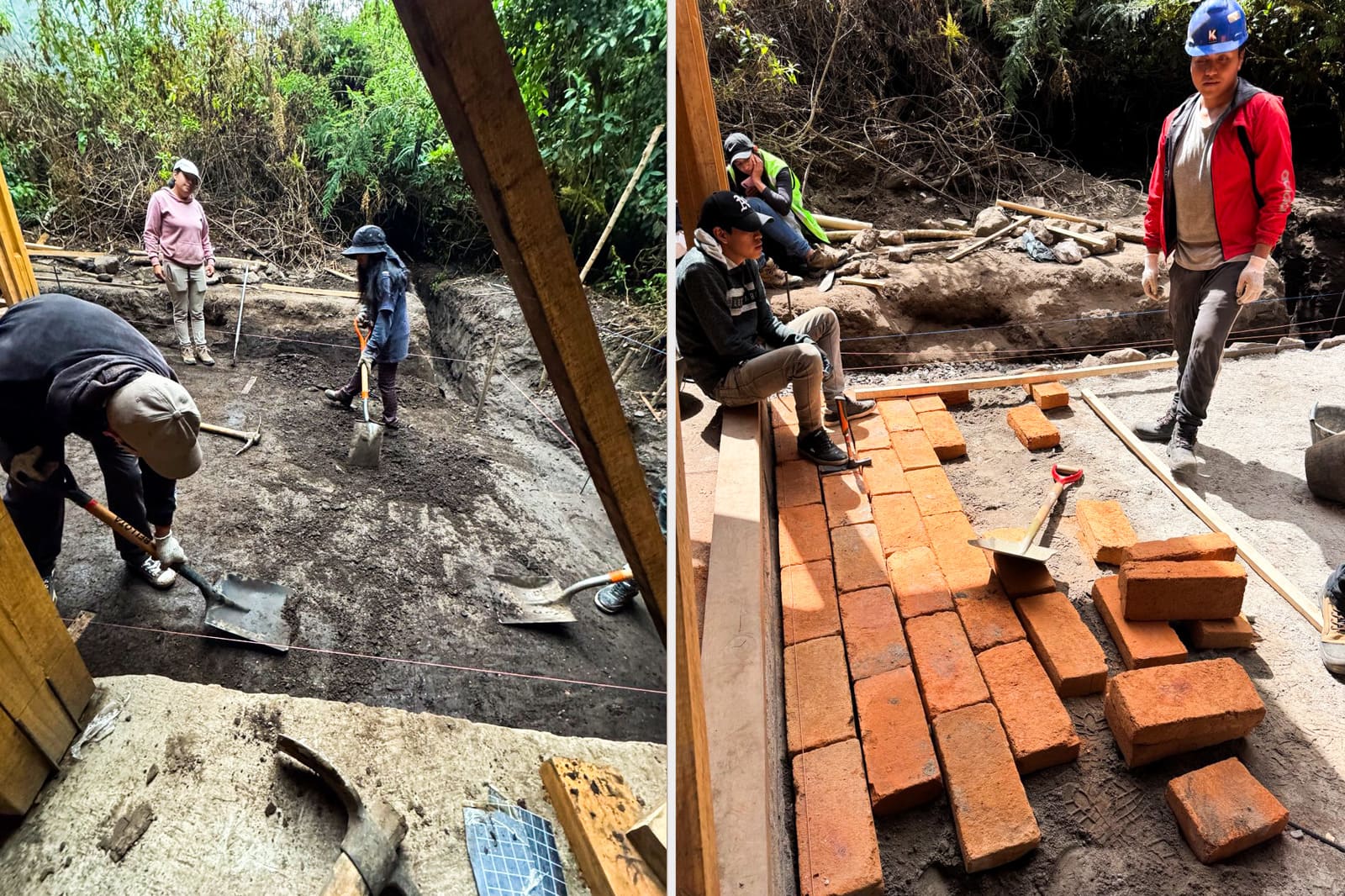
The vermifilter was constructed through excavation in the natural ground and subsequent formwork for the casting of a reinforced concrete chamber. Inlet and outlet pipes were installed according to the hydraulic design, and a stratified filter bed composed of granular and organic materials was placed to enhance biological activity. The vermifilter constitutes the Nature-based Solution (NbS) of the system, aimed at sustainable and decentralized wastewater treatment. Additionally, the outdoor areas (patio and small square) were developed as complementary site adaptation works.